Professor Ivan Parkin said a 25-nanometer-thick nanoparticle coating allows glass to become self-cleaning during a recent livestreamed talk [1].
This development demonstrates the practical application of nanomaterials in consumer products, shifting theoretical chemistry into tools that reduce maintenance for infrastructure and homes.
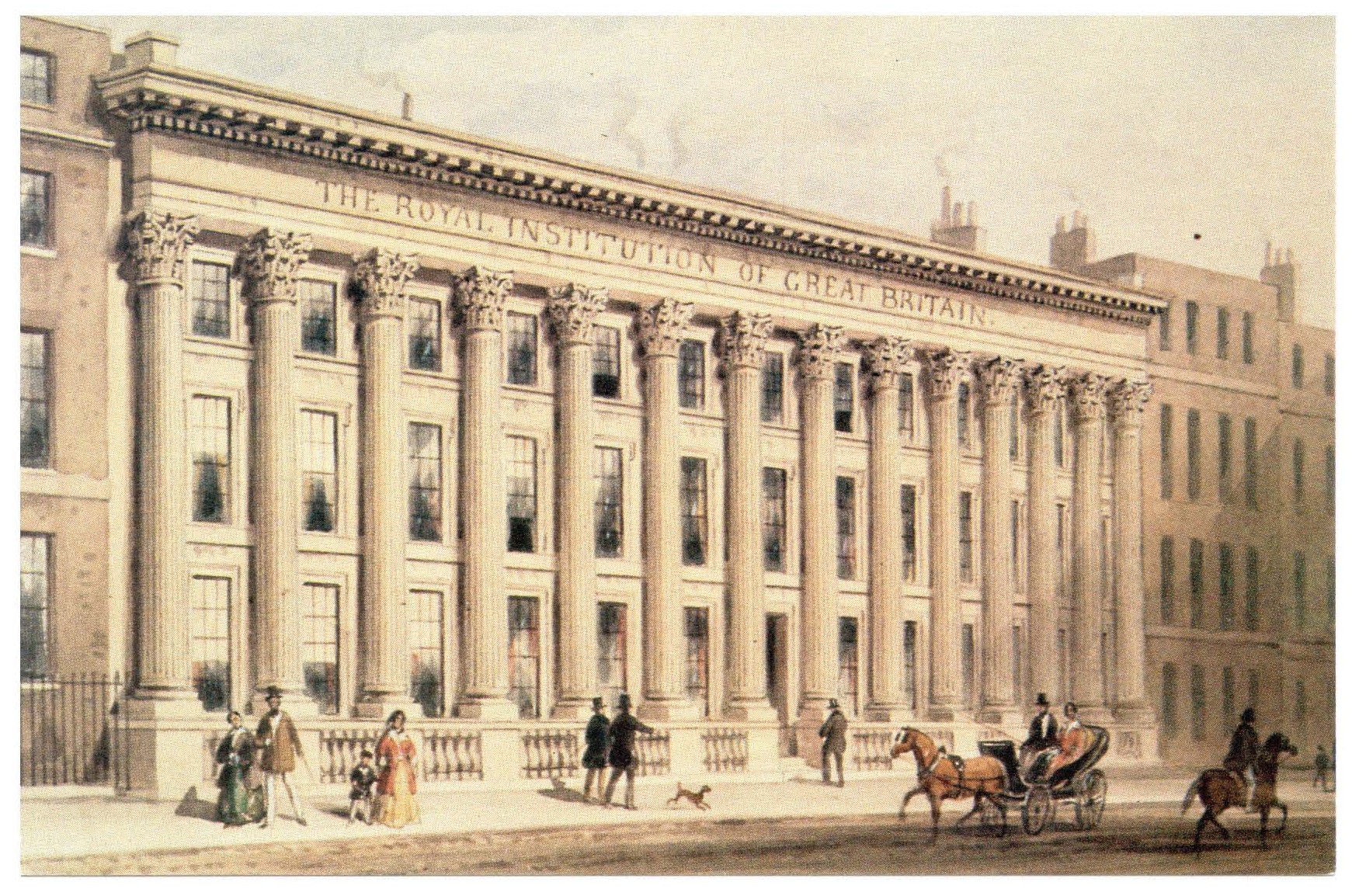
Parkin delivered the presentation, titled “How nanoparticles are quietly revolutionising the world,” on April 24, 2026 [1]. The event took place at the Royal Institution in London and served as part of the 200th anniversary celebration for University College London (UCL) [1].
As a materials chemist, Parkin has authored over 1,000 publications and holds an h-index of 126 [1]. During the talk, he used the self-cleaning glass, often used in conservatories, to illustrate the broader impact of nanomaterials on a global scale [1].
Parkin connected modern nanotechnology to historical scientific inquiry, referencing the ruby-gold experiments conducted by Michael Faraday in 1857 [1]. He said that while these materials operate at a scale invisible to the human eye, their chemical properties create significant physical changes in how surfaces interact with water and dirt [1].
The presentation highlighted how the specific thickness of the coating—just 25 nanometers [1]—is sufficient to alter the surface energy of the glass. This allows rain to wash away contaminants more effectively than on untreated surfaces [1].
“A 25-nanometer-thick nanoparticle coating allows glass to become self-cleaning.”
The integration of nanoparticle coatings into commercial glass signifies a transition from laboratory-scale nanotechnology to mass-market utility. By leveraging the unique properties of materials at the nanoscale, manufacturers can create surfaces that maintain themselves, potentially reducing the chemical runoff associated with industrial cleaning and lowering long-term maintenance costs for urban architecture.