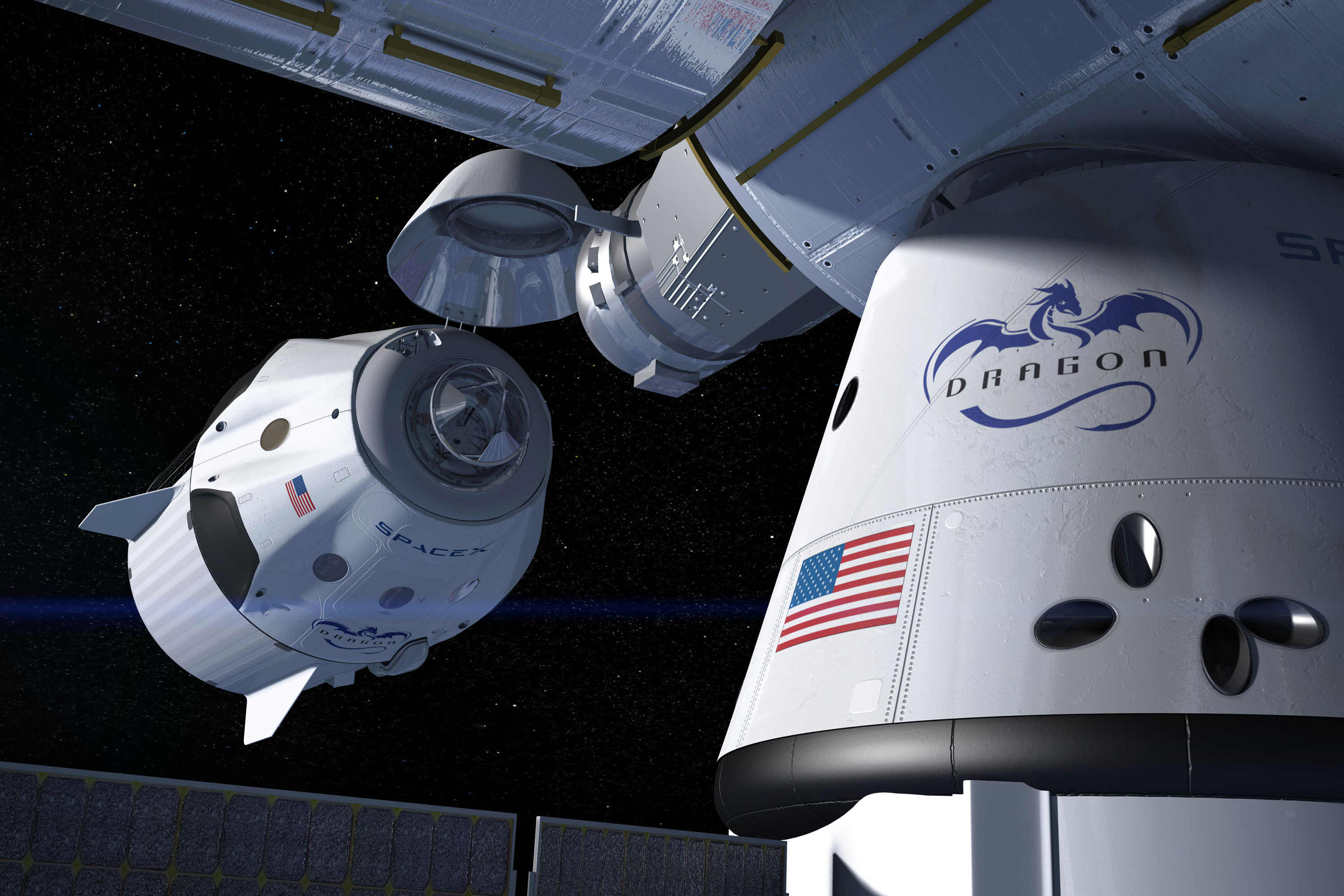
NASA is providing a live video stream of the International Space Station to give the public real-time access to orbital operations [1].
This initiative increases transparency and public outreach by allowing people to observe the daily lives of astronauts and the planet's appearance from space. By democratizing access to these views, the agency fosters global interest in space exploration and scientific research.
The broadcast includes two primary perspectives. One feed shows the interior of the station when the crew is on duty, while an external camera provides continuous views of Earth [1]. The station maintains an orbit approximately 250 miles [1] above the surface.
Recent activities captured via the agency's outreach efforts include a spacewalk on June 30 [2] and a special broadcast of fireworks on July 7 [3]. These events highlight the intersection of routine maintenance and cultural celebrations in a microgravity environment.
"Watch live video from the International Space Station, including inside views when the crew aboard the space station is on duty," NASA said in the video description [1]. The agency said that views of Earth are streamed from an external camera located outside of the space station [1].
The stream serves as a digital window into the complexities of living and working in space. It allows viewers to see the logistical challenges of the crew, from conducting experiments to managing life-support systems, without the delay of edited documentaries.
By maintaining this open channel, NASA provides a constant data point for educators and students worldwide. The footage offers a tangible connection to the international cooperation required to keep the station operational [1].
“Views of Earth are also streamed from an external camera located outside of the space station.”
The continuous streaming of ISS operations reflects a shift toward 'open science' and real-time public engagement. By providing unedited access to the orbital environment, NASA reduces the distance between complex aerospace engineering and the general public, potentially inspiring a new generation of STEM interest through immediate, visual evidence of space habitation.
'%2F%3E%0A%20%20%20%20%3Crect%20width%3D'1600'%20height%3D'900'%20fill%3D'url(%23v)'%2F%3E%0A%20%20%20%20%3Cg%20opacity%3D'0.08'%20fill%3D'%23ffffff'%3E%0A%20%20%20%20%20%20%3Ccircle%20cx%3D'1420'%20cy%3D'180'%20r%3D'220'%2F%3E%0A%20%20%20%20%20%20%3Ccircle%20cx%3D'1500'%20cy%3D'760'%20r%3D'120'%2F%3E%0A%20%20%20%20%3C%2Fg%3E%0A%20%20%20%20%3Cline%20x1%3D'80'%20y1%3D'172'%20x2%3D'220'%20y2%3D'172'%20stroke%3D'%23ffffff'%20stroke-width%3D'3'%20stroke-opacity%3D'0.6'%2F%3E%0A%20%20%20%20%3Ctext%20x%3D'80'%20y%3D'140'%20font-family%3D'Inter%2C%20-apple-system%2C%20Helvetica%2C%20sans-serif'%20font-weight%3D'700'%20font-size%3D'28'%20fill%3D'%23ffffff'%20letter-spacing%3D'6'%3EHANNA%20%C2%B7%20NEWS%3C%2Ftext%3E%0A%20%20%20%20%3Ctext%20x%3D'80'%20y%3D'230'%20font-family%3D'Inter%2C%20-apple-system%2C%20Helvetica%2C%20sans-serif'%20font-weight%3D'600'%20font-size%3D'40'%20fill%3D'%23ffffffb3'%20letter-spacing%3D'4'%3ESCIENCE%3C%2Ftext%3E%0A%20%20%20%20%3Ctext%20x%3D'80'%20y%3D'694'%20font-family%3D'Playfair%20Display%2C%20Georgia%2C%20serif'%20font-weight%3D'800'%20font-size%3D'110'%20fill%3D'%23ffffff'%20letter-spacing%3D'-1'%3ETV%20Columnist%20Highlights%20Top%3C%2Ftext%3E%3Ctext%20x%3D'80'%20y%3D'820'%20font-family%3D'Playfair%20Display%2C%20Georgia%2C%20serif'%20font-weight%3D'800'%20font-size%3D'110'%20fill%3D'%23ffffff'%20letter-spacing%3D'-1'%3ESci-Fi%20Series%20of%202026%3C%2Ftext%3E%0A%20%20%20%20%3Ctext%20x%3D'80'%20y%3D'870'%20font-family%3D'Inter%2C%20-apple-system%2C%20Helvetica%2C%20sans-serif'%20font-weight%3D'500'%20font-size%3D'22'%20fill%3D'%23ffffff66'%20letter-spacing%3D'2'%3Enews.hanna-ai.com%3C%2Ftext%3E%0A%20%20%3C%2Fsvg%3E)

