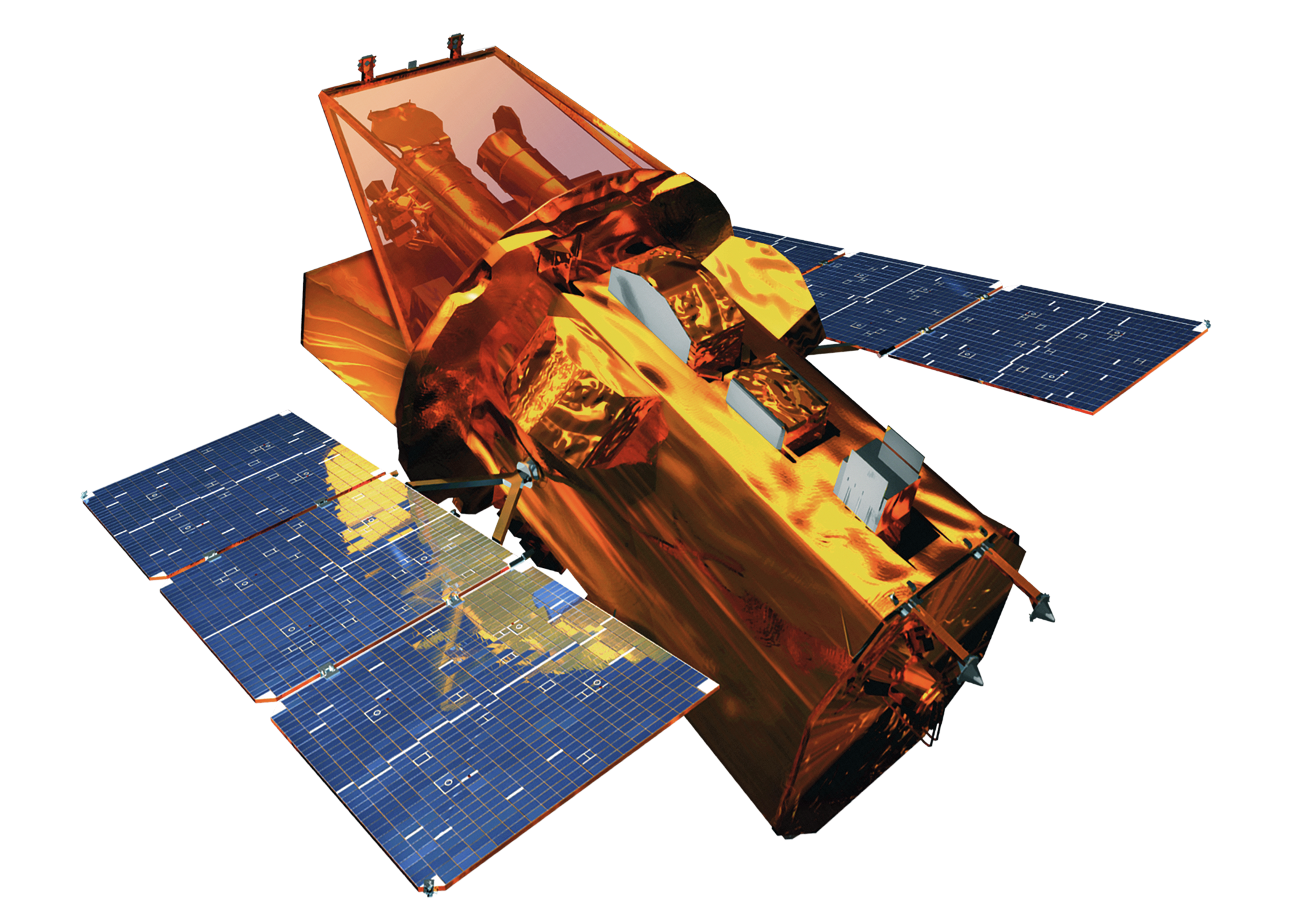
Katalyst Space Technologies is preparing to launch the LINK spacecraft to prevent NASA’s Neil Gehrels Swift Observatory from burning up in the atmosphere [1].
The mission represents a critical effort to preserve a telescope that has provided essential astronomical data since 2004 [1]. If the rescue fails, the observatory is expected to re-enter the atmosphere and burn up later this year [2].
Based in Broomfield, Colorado, the aerospace startup is developing the LINK spacecraft to rendezvous with the observatory in low-Earth orbit [1]. Once the spacecraft reaches the telescope, it will boost the observatory to a higher orbit to counteract the atmospheric drag pulling it toward Earth [1], [3].
Forbes said the rescue mission will involve launching the LINK spacecraft from an airplane over the Marshall Islands [4]. This unconventional launch method is part of a tight timeline, with a launch window potentially opening this week [2], [4].
Preparation for the mission has already progressed to the testing phase. The Gazette said engineers tested the Link spacecraft at NASA's Goddard Space Flight Center before it returned to the company's facility in Colorado on May 25 [3].
While most reports identify Katalyst Space Technologies as the primary actor, some accounts differ. New Atlas said Northrop Grumman is set to launch a rescue mission using a service robot to capture the craft [5]. However, the primary plan detailed by other sources emphasizes the aircraft-based launch of the LINK system [4].
Success for the Colorado-based firm would not only extend the science mission of the Swift Observatory, but also prove that aging satellites can be salvaged through private-sector intervention [2], [3].
“Katalyst Space's LINK spacecraft will launch from an airplane in the Marshall Islands to boost NASA's Swift Observatory.”
This mission serves as a high-stakes test for 'on-orbit servicing,' a growing sector of the space economy. By attempting to extend the life of the Swift Observatory, Katalyst Space Technologies is demonstrating a capability that could shift how the industry handles satellite obsolescence—moving from a model of disposal to one of maintenance and orbital boosting.


