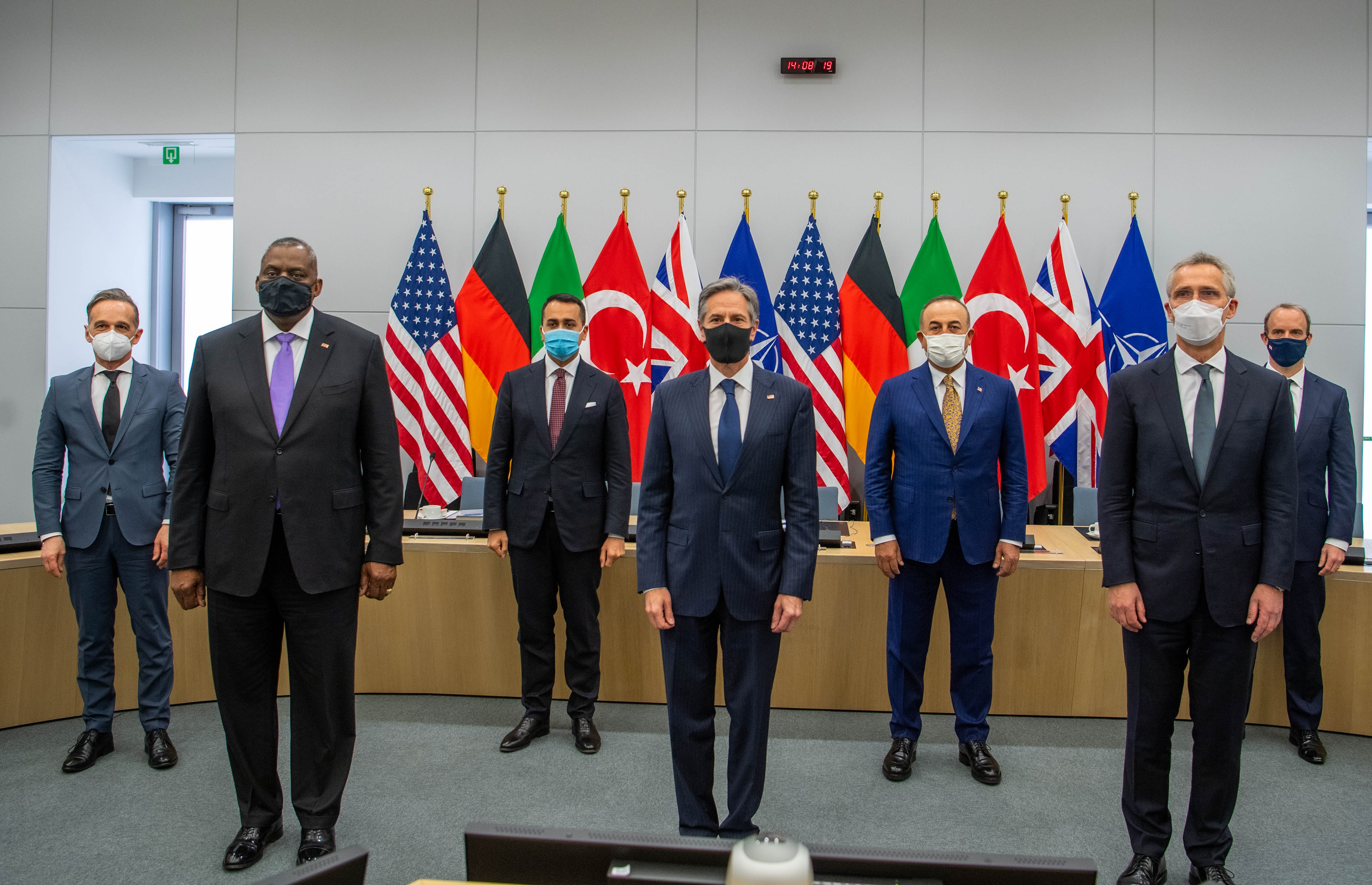
NATO Secretary-General Mark Rutte said Monday that alliance members must present "clear, concrete and credible plans" to reach defense spending targets [1].
The demand comes as the alliance seeks to narrow the spending gap with the U.S. and ensure all members meet the established 2% of GDP target [1].
Speaking in Ankara, Turkey, the day before the official summit, Rutte said there is a need for transparency and accountability in how nations reach these goals [2]. The summit is scheduled to begin Tuesday, July 7, and will last two days [3].
According to Rutte, NATO members are currently spending around four percent of GDP on defense [4]. This figure reflects an increase in investment across the alliance as geopolitical tensions persist, though the Secretary-General said that specific, documented plans are still required from individual nations [1].
Financial commitments are expected to materialize quickly during the meetings. Rutte said the alliance expects the announcement of tens of billions of dollars or euros in new defense contracts during the summit [4].
These contracts are intended to modernize military capabilities and strengthen the collective defense posture of the alliance [1]. The pressure for these plans is particularly high for members who have historically lagged behind the spending guidelines [2].
By requiring credible plans, NATO aims to move beyond vague promises and establish a verifiable timeline for military readiness [5]. Rutte said the goal is to ensure the alliance remains a deterrent against external threats through sustainable and shared financial burdens [1].
“"clear, concrete and credible plans"”
This push for 'credible plans' signals a shift from encouraging voluntary spending to demanding a structured, accountable framework for military investment. By tying the summit to the announcement of multi-billion dollar contracts, NATO is attempting to translate political pledges into tangible hardware and capabilities to reduce reliance on U.S. funding.


