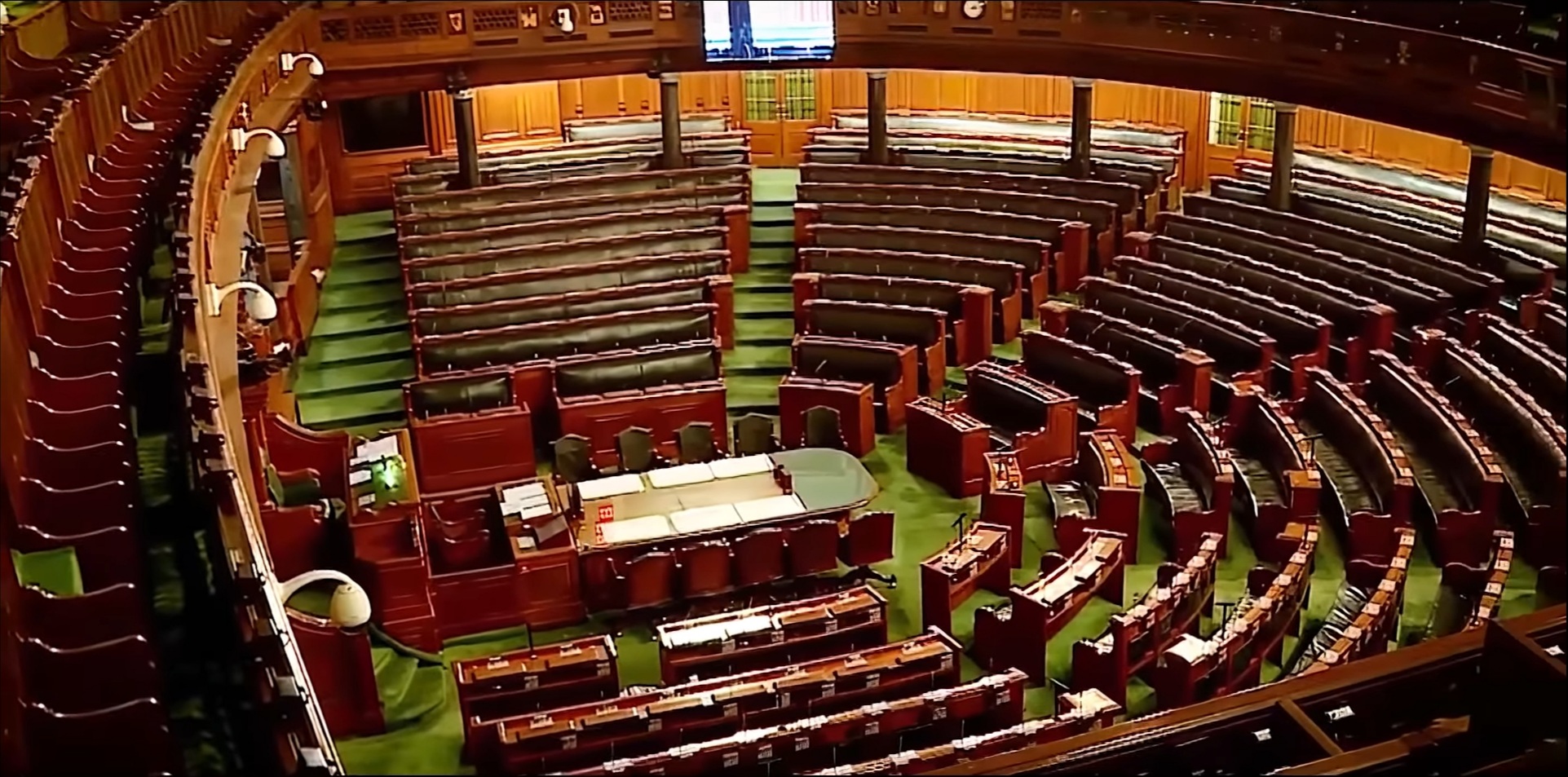
India's National Democratic Alliance (NDA) ruling coalition now holds 318 seats in the Lok Sabha [1].
This increase in numbers strengthens the government's legislative position as it prepares for a critical all-party meeting and the introduction of a delimitation bill. The shift in power dynamics occurs as the ruling coalition absorbs members from opposing factions.
The rise in the tally follows the official recognition of two political factions [1]. These groups include rebel parliamentarians who switched their loyalties to the NDA. This recognition allows the coalition to formally count these members toward its majority in the lower house of Parliament.
Legislative activity in New Delhi is intensifying as the government moves toward the delimitation bill. This process, which involves redrawing the boundaries of parliamentary constituencies, often triggers significant political debate over representation, and regional influence. The addition of these seats provides the NDA with a more secure buffer to pass such contentious legislation.
Opposition leaders have reacted to the shifting numbers as the government prepares for its upcoming all-party meeting. The recognition of rebel factions remains a point of contention among those seeking to maintain a cohesive opposition bloc against the NDA's expanding influence in the Lok Sabha [1].
“NDA seat tally in the Lok Sabha rose to 318”
The increase to 318 seats provides the NDA with significant legislative leverage ahead of the delimitation bill. Because delimitation can fundamentally alter the electoral map and the distribution of political power across India, having a strengthened majority reduces the risk of legislative deadlock and diminishes the opposition's ability to block the government's agenda during the upcoming all-party meeting.


