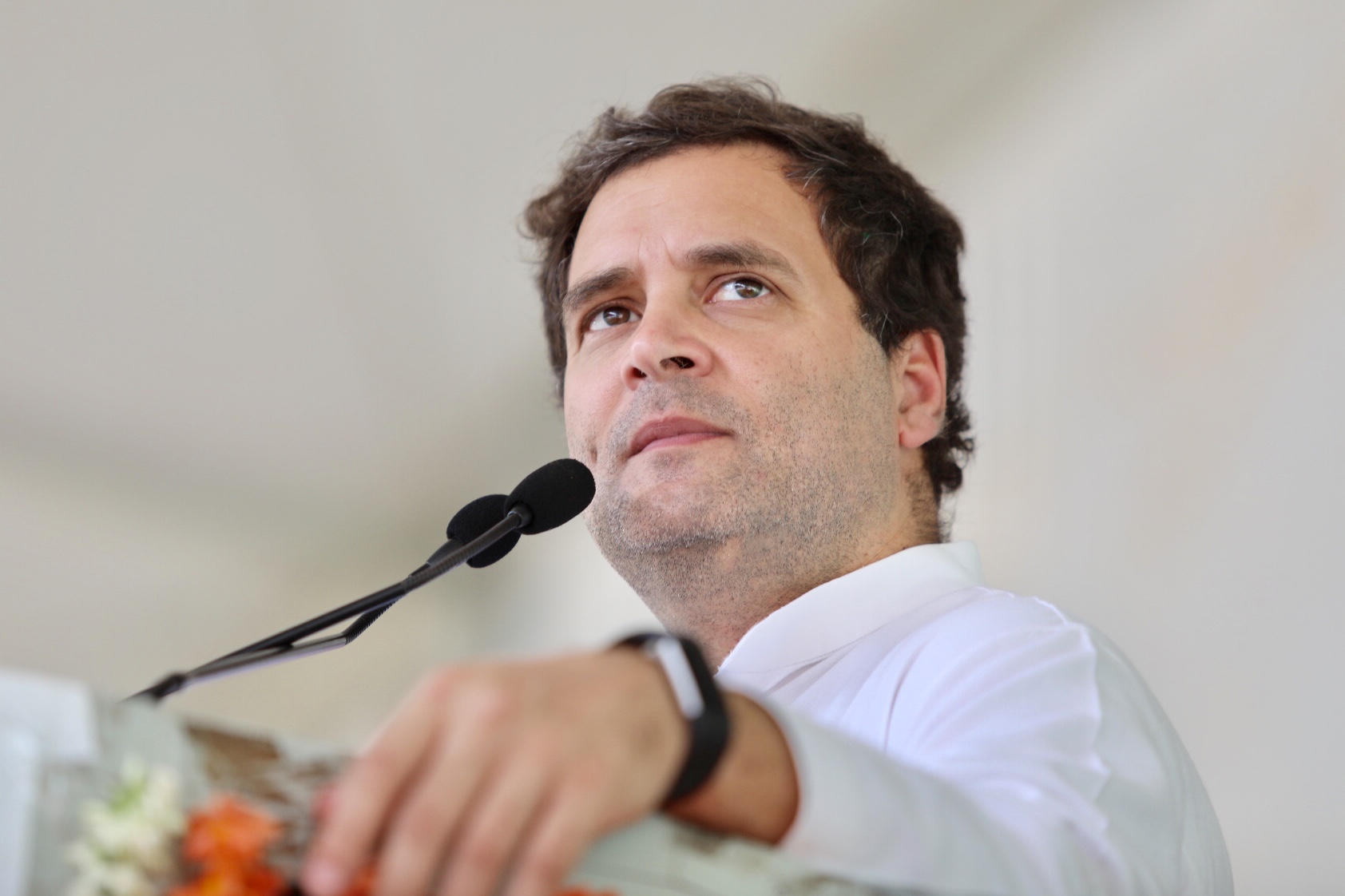
National Democratic Alliance (NDA) MPs staged a counter-protest inside Parliament targeting Rahul Gandhi and the Congress party over police actions in Jharkhand [1].
The confrontation highlights the escalating tension between the ruling coalition and the opposition over the treatment of student protesters. The dispute centers on the use of force against aspirants of the Jharkhand Public Service Commission (JPSC) and the Jharkhand Staff Selection Commission (JSSC) [1, 2].
NDA lawmakers gathered in the Makar Dwar area of Parliament to challenge the Congress party's stance on the issue [2]. The protesters said Rahul Gandhi (Congress) evaded a direct debate regarding the police crackdown on students in Jharkhand [1]. The police action in question involved the use of lathi-charges and water cannons against the aspirants [2].
During the clash, the NDA highlighted three specific issues [3]. These included the police response to student protesters, the controversy surrounding Ram Mandir donations, and the student protests that took place in July [1, 2].
Opposition leaders sought answers from the government regarding the crackdown [1]. However, the NDA members used the counter-protest to shift the focus toward the Congress party's role and response to the unrest [2]. The confrontation occurred as both sides sought to leverage the Jharkhand unrest to gain political momentum within the legislative session [1].
Legislators remained deadlocked as the NDA continued to demand that Gandhi address the grievances of the students and the nature of the police intervention [2].
“NDA MPs staged a counter-protest inside Parliament targeting Rahul Gandhi and the Congress party”
This clash demonstrates the strategic use of regional unrest to fuel national political narratives. By shifting the focus from government accountability for police violence to the perceived evasion of the opposition, the NDA is attempting to neutralize the Congress party's criticism of the Jharkhand administration.


