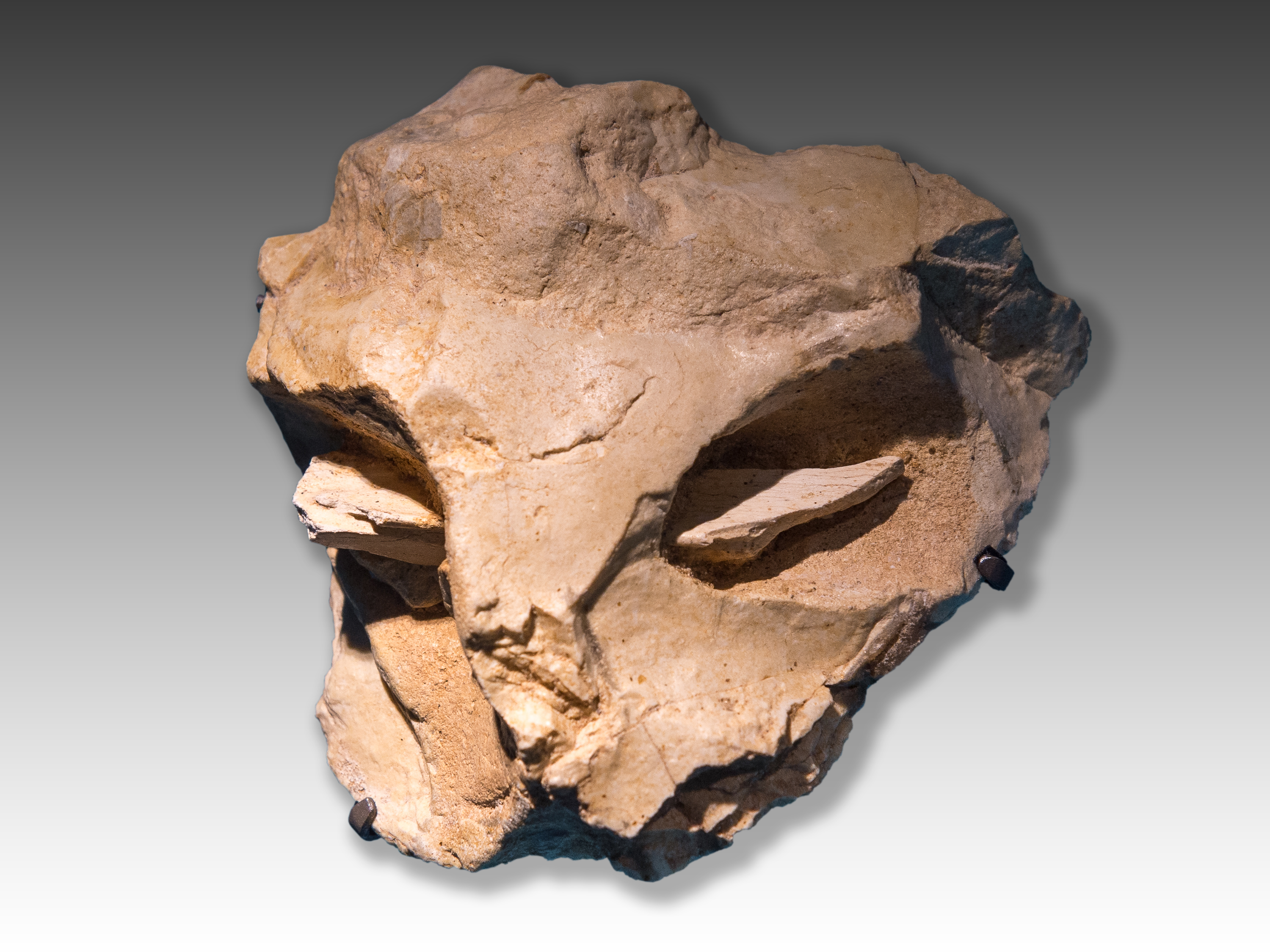
Some experts believe that genetic traits inherited from Neanderthals provided an evolutionary advantage that helped early humans survive [1].
This connection is significant because it suggests that the interbreeding between early humans and Neanderthals was not merely incidental but may have been a critical factor in human resilience. Understanding these inherited markers allows scientists to trace how ancient DNA continues to influence modern human biology.
Neanderthals became extinct approximately 40,000 years ago [1]. Despite their disappearance as a distinct species, their genetic legacy persists in the modern human genome. The presence of these ancient sequences suggests a complex history of integration and adaptation.
BBC Tamil said some experts believe these traits provided an evolutionary advantage that aided survival [1]. While the specific traits are not detailed in the current reporting, the theory posits that these genetic contributions allowed humans to better adapt to challenging environments.
The study of ancient DNA helps bridge the gap between current human physiology and the ancestral traits of extinct hominins. By analyzing these sequences, researchers can determine which parts of the Neanderthal genome were preserved by natural selection, and which were lost over time.
This research continues to highlight the fluid nature of human evolution. The inheritance of these traits indicates that the survival of the species may have depended on the genetic diversity gained through interbreeding with other hominin groups [1].
“genetic traits inherited from Neanderthals provided an evolutionary advantage”
The suggestion that Neanderthal DNA provided a survival advantage shifts the narrative of human evolution from one of total replacement to one of integration. If specific genetic traits were selected for over millennia, it implies that modern humans are a biological mosaic, possessing tools for survival that were developed by an extinct species to thrive in prehistoric environments.