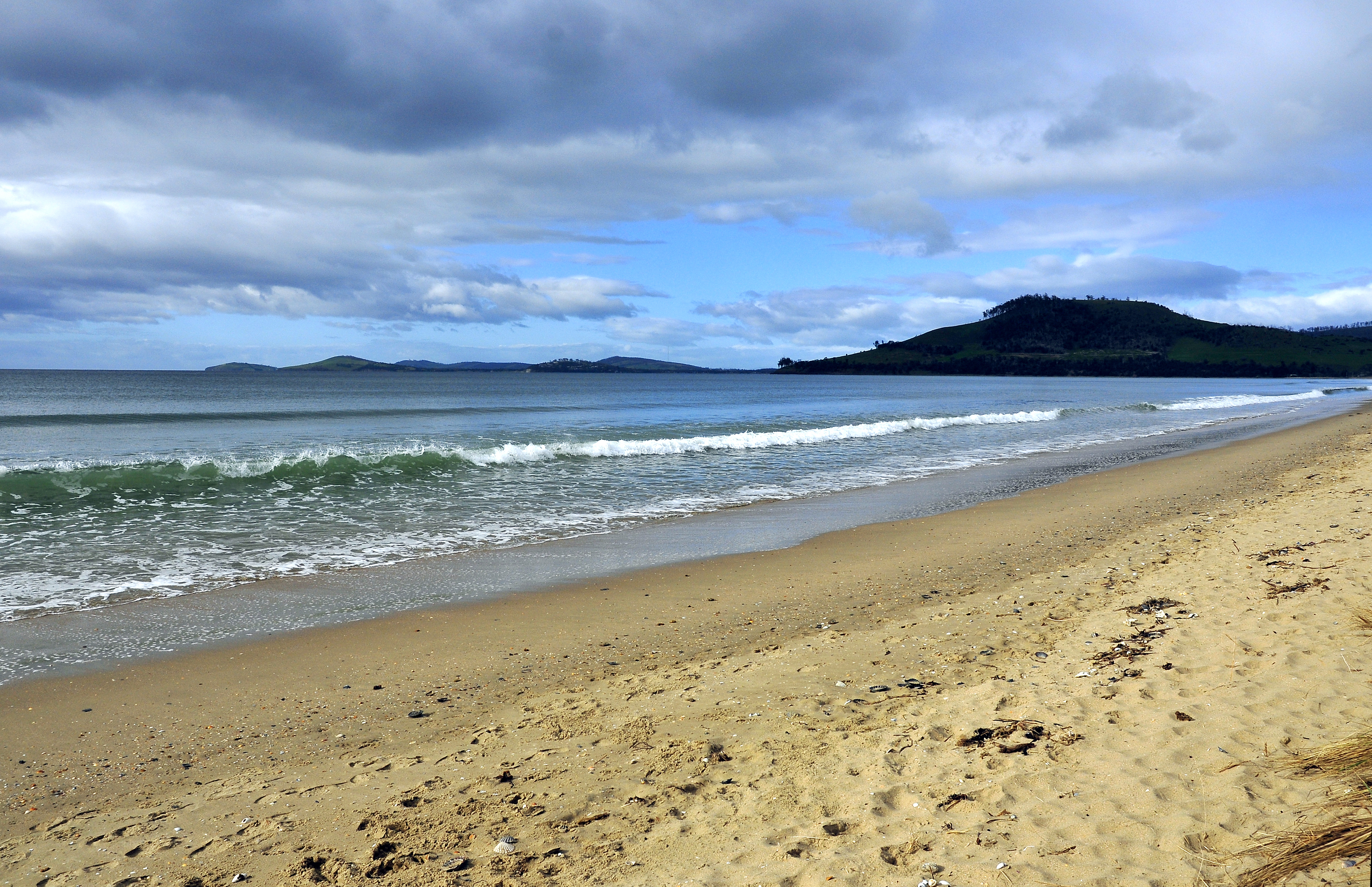
A 2,200-pound [1] male elephant seal named Neil has returned to Seven Mile Beach in Tasmania, Australia, to begin his annual moult.
The return of the animal has drawn viral attention and crowds of onlookers, creating a potential safety risk for both the public and the wildlife.
Neil arrived in early July [2] after spending nearly six months [3] feeding at sea. Since his return, the seal has become known for his destructive path through the local town, where he has been seen breaking through fences and knocking over traffic cones [4].
Wildlife officials have monitored the situation as the seal settles into his moult. While the animal's behavior has charmed many visitors, officials said that his popularity could lead to dangerous encounters. Elephant seals are massive animals that can be unpredictable, and close proximity to humans increases the risk of injury to both parties [5].
Local residents and tourists have shared videos of the seal's antics online, further fueling the animal's celebrity status. The moult is a critical biological process where the seal sheds its old skin and fur to make way for a new layer, a period that typically requires the animal to remain on land for an extended time [5].
Authorities continue to urge the public to maintain a safe distance from Neil while he remains in the area. The goal is to ensure the seal can complete his natural cycle without undue stress from human interference [5].
“Neil the Seal has returned to Seven Mile Beach, leaving a trail of broken fences and traffic cones.”
The intersection of viral social media trends and wildlife management often creates a conflict between public curiosity and animal welfare. When a 'celebrity' animal like Neil returns to a populated area, the resulting crowds can disrupt natural behaviors—such as the moult—and increase the likelihood of aggressive interactions, necessitating stricter enforcement of wildlife boundaries.