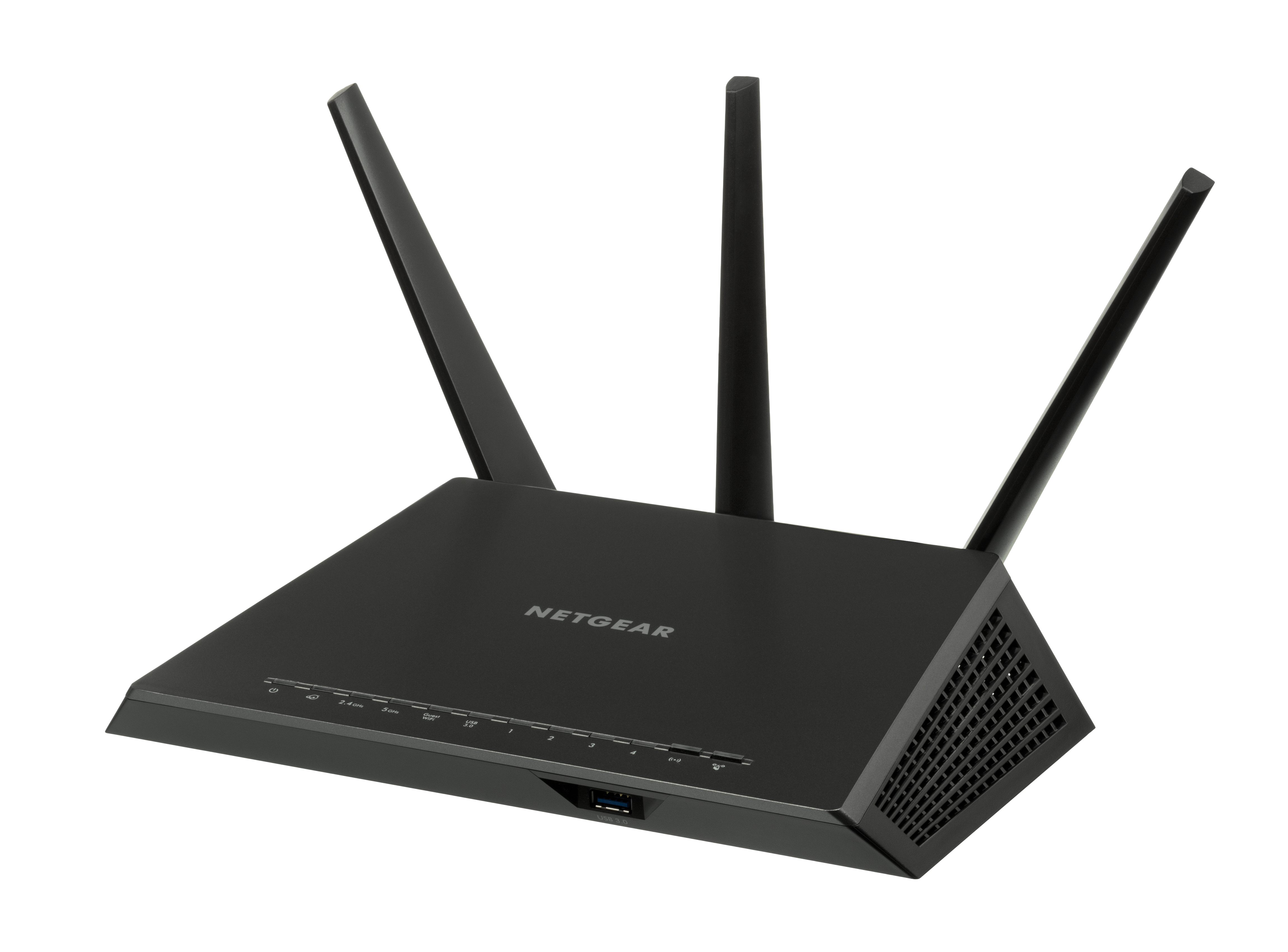
Netgear got a conditional FCC exemption on April 15, 2026[1] to sell wireless routers in the U.S. despite a broad ban on foreign‑made devices.
The decision matters because it creates a rare opening in a market that the Federal Communications Commission has largely closed to imported hardware. Consumers could see new product options, while competitors remain blocked, and the exemption raises questions about the agency’s criteria for security and supply‑chain safeguards.
In early 2026 the FCC announced a sweeping prohibition on the sale of routers that were manufactured abroad, citing concerns over potential backdoors and the need to protect critical internet infrastructure. The rule applied to most major brands, effectively limiting U.S. retailers to domestically produced units that meet stringent testing protocols. Industry analysts warned the ban could shrink consumer choice and increase prices.
Against that backdrop, the FCC issued a conditional waiver specifically for Netgear, a company that designs its own hardware but outsources many components overseas. The exemption allows the firm to market its latest line of Wi‑Fi 7 routers, provided it adheres to a set of security standards outlined in the waiver. The agency has not disclosed the exact criteria used to grant the exception, and Netgear has not offered details on its supply chain changes.
The FCC said the waiver is “conditional and subject to ongoing compliance monitoring,” but declined to elaborate on why Netgear qualified while other foreign‑linked manufacturers did not. Trade groups have called for greater transparency, arguing that selective exemptions could distort competition and undermine the policy’s intent to safeguard the national network.
The lack of a public rationale fuels speculation. Some observers suggest Netgear may have pledged to relocate critical components to U.S. facilities, while others think the company’s lobbying efforts played a role. Regardless of the true reason, the move gives Netgear a temporary market advantage as rivals wait for potential future waivers or for the ban to be revisited.
What this means: Netgear’s exemption highlights a tension between national security goals and market dynamics. While the waiver may broaden consumer options in the short term, the opaque decision‑making process could prompt calls for clearer FCC guidelines and oversight of future exemptions.
“The FCC has not explained why Netgear was singled out for an exemption.”
The approval shows how regulatory discretion can create market shortcuts, but without clear criteria it may erode confidence in the FCC’s broader security strategy and invite scrutiny of future exemptions.

