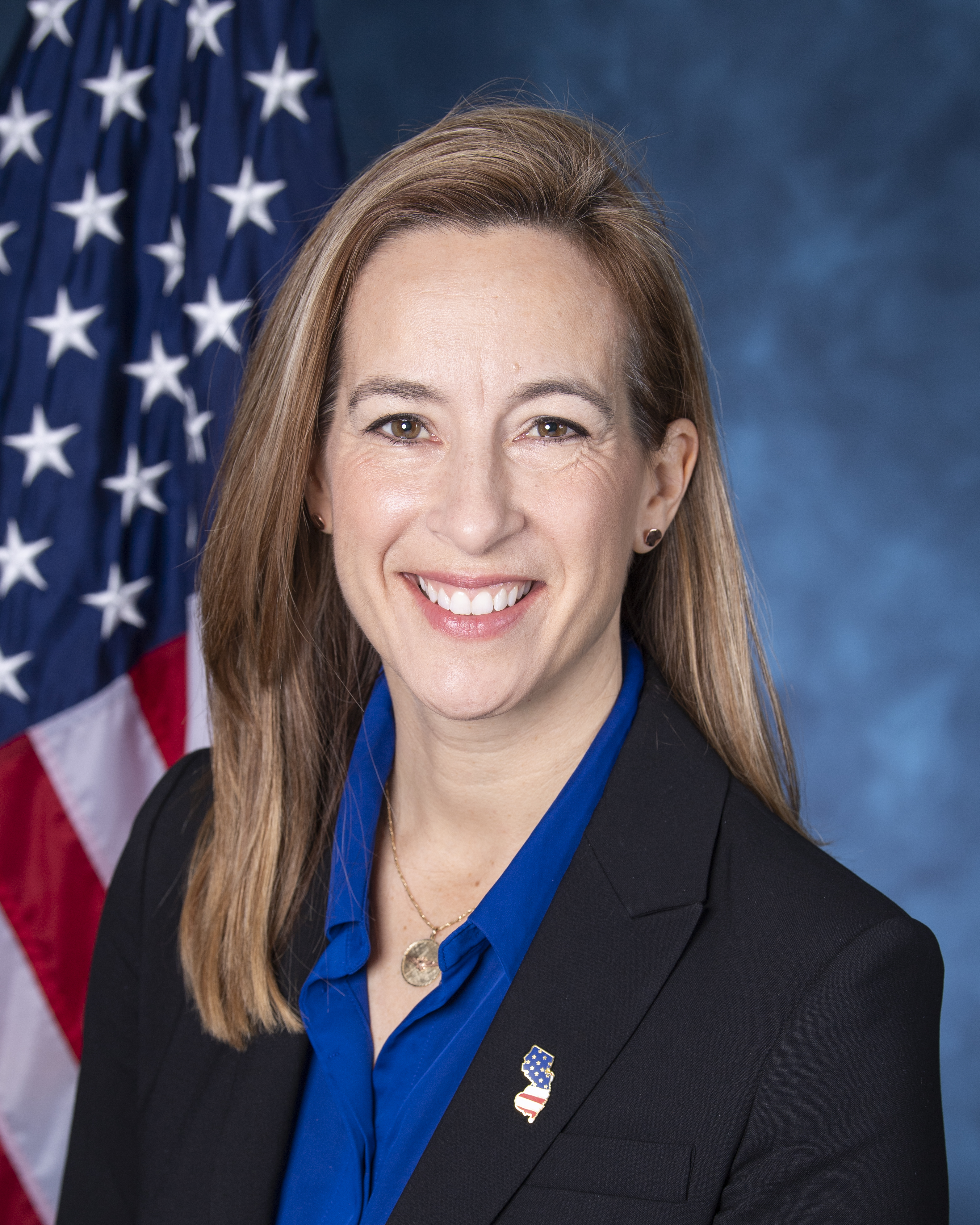
Gov. Mikie Sherrill (D-NJ) signed the Fair Price Protection Act, banning surveillance pricing and the use of personal data to set individualized prices.
The law aims to prevent algorithmic price discrimination, ensuring that grocery costs remain affordable by stopping companies from adjusting prices based on a consumer's personal data.
Under the new legislation, businesses in the U.S. state are prohibited from using surveillance pricing, also known as dynamic pricing, to target individuals. This practice involves using data to determine the maximum price a specific customer is willing to pay, often leading to higher costs for certain demographics.
As part of the effort to curb these practices, the act imposes a one-year moratorium [1] on the use of electronic shelf labels (ESLs). These digital displays allow retailers to change prices instantly across a store, which critics said facilitates rapid, algorithmic price hikes.
New Jersey is the first state [2] to place such a moratorium on ESLs. Additionally, it is among the first states [3] to implement a broad ban on dynamic pricing in this manner.
The measure targets the intersection of big data and retail, specifically focusing on the grocery sector to ensure basic necessities are not subject to fluctuating, data-driven costs. By removing the ability to leverage personal information for pricing, the state intends to create a more transparent marketplace for all residents.
“New Jersey is the first state to place such a moratorium on ESLs.”
This legislation represents a significant regulatory shift in how consumer data is used in physical retail. By targeting both the software (algorithmic pricing) and the hardware (electronic shelf labels), New Jersey is attempting to decouple personal data from the cost of goods, potentially setting a legal precedent for other states to combat digital price discrimination.


