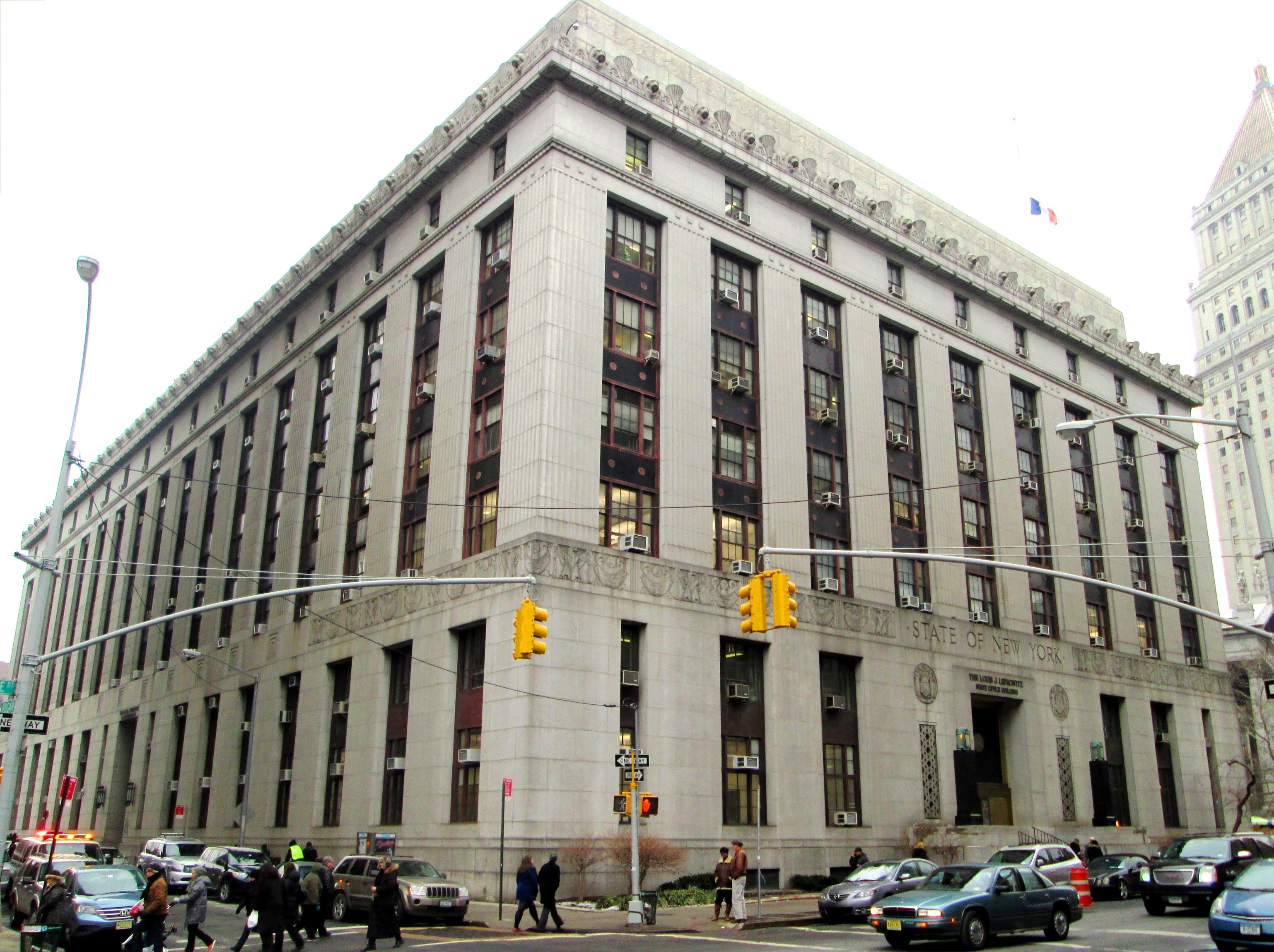
New York Attorney General Letitia James filed a lawsuit against prediction-market platform Kalshi on Aug. 3, 2026, alleging illegal gambling operations [1].
The legal action targets the intersection of financial speculation and gaming laws. By challenging Kalshi's business model, the state is attempting to define whether prediction markets are regulated financial instruments or unlicensed bets.
Kalshi, which is headquartered in New York, is accused of operating without a required gambling license [2]. The lawsuit alleges that the company violated New York gambling laws by disguising its prediction-market contracts as federally regulated financial products [3]. This distinction is central to the case, as financial contracts typically fall under different regulatory oversight than gambling activities.
The state is seeking $36 billion [1] in penalties as a result of these alleged violations. The filing suggests that the scale of the operation necessitated a significant financial deterrent to prevent further unlicensed gaming within the state.
New York officials said that the platform's activities constitute an illegal gambling operation because they lack the proper state-level authorization [4]. The lawsuit seeks to hold the company accountable for bypassing the legal frameworks designed to regulate betting and gaming in the U.S. [2].
Representatives for the Attorney General's office have not provided a specific timeline for the trial proceedings. Kalshi has not yet issued a formal public response to the specific penalty amount requested in the filing [1].
“New York filed a lawsuit accusing prediction‑market platform Kalshi of operating an illegal gambling operation.”
This lawsuit represents a significant regulatory clash over the definition of 'prediction markets.' If the court rules that these platforms are gambling operations rather than financial exchanges, it could set a precedent that forces similar platforms to obtain state-by-state gaming licenses, potentially stifling the growth of the industry or forcing a complete overhaul of how these contracts are structured in the U.S.


