New York Attorney General Letitia James sued prediction-market platform Kalshi on July 31, 2026, alleging the company operated an illegal gambling operation [1].
The lawsuit represents a significant legal challenge to the rise of prediction markets, which allow users to trade on the outcome of real-world events. A ruling against Kalshi could set a precedent that classifies these financial contracts as gambling rather than speculative investments, potentially restricting how such platforms operate across the U.S.
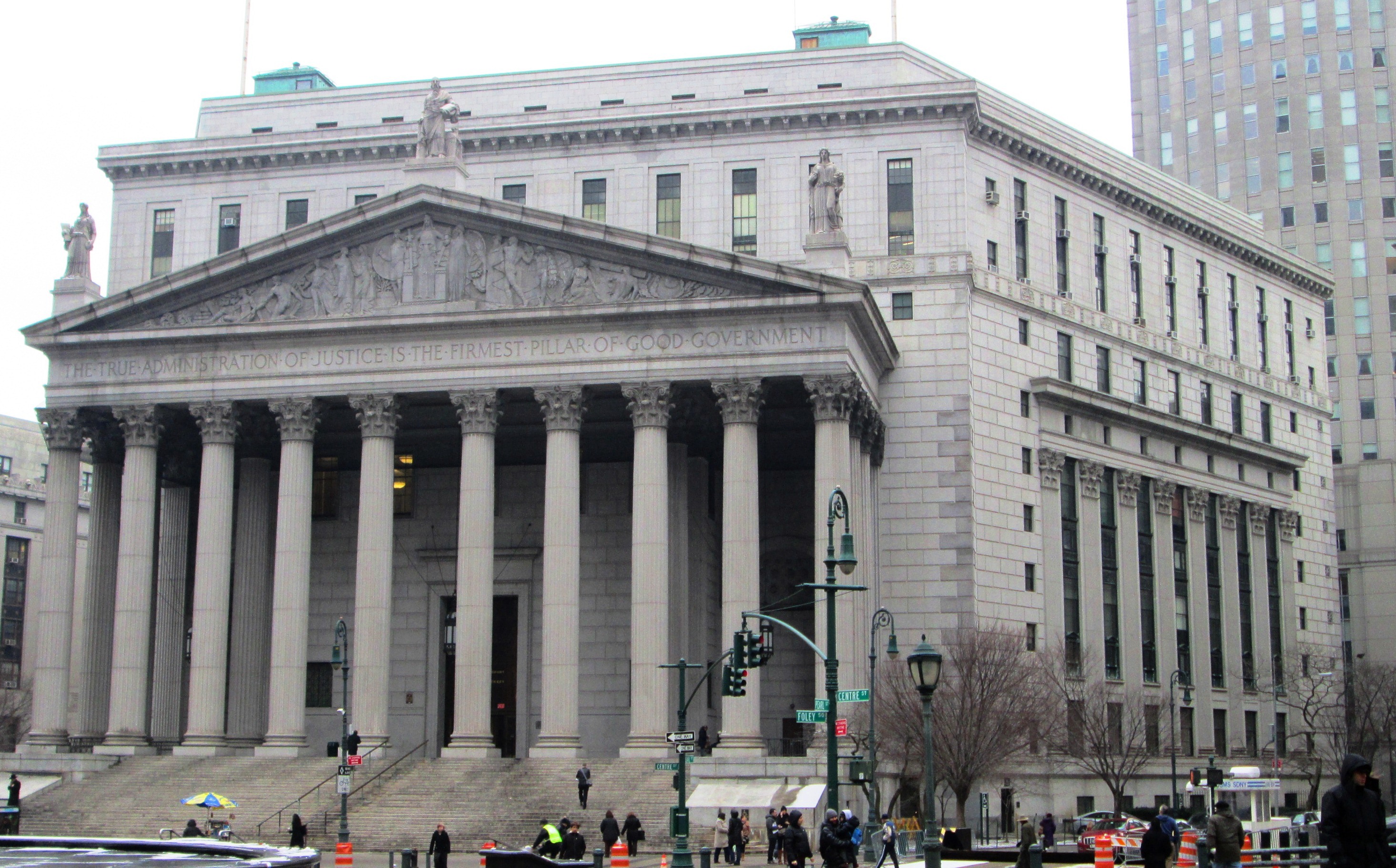
The state filed the lawsuit in a Manhattan state court [2]. James said Kalshi violated state gambling laws by operating without a license from the New York State Gaming Commission [1]. The Attorney General is seeking monetary penalties and restitution from the company [1].
Financial demands in the suit are substantial. Some reports indicate New York is seeking roughly $36 billion in damages [3]. Other details describe a demand for the $22 billion exchange to surrender its proceeds, repay customers nationwide, and pay triple its alleged gains [4]. The state is also seeking $100,000 for each unauthorized sports bet placed on the platform [4].
Kalshi has previously positioned its markets as tools for hedging risk and discovering accurate information about future events. However, the state argues that these activities constitute gambling under existing law because they lack the necessary regulatory oversight and licensing [1].
The legal action was initiated on a Friday [5]. The case now moves through the New York State Supreme Court in Manhattan, where the court will determine if the platform's contracts meet the legal definition of gambling in the state [2].
“New York Attorney General Letitia James sued prediction-market platform Kalshi on July 31, 2026”
This case tests the legal boundary between financial derivatives and gambling. If the court rules that prediction markets are illegal gambling without a specific gaming license, it may force platforms to either seek state-by-state gambling approvals or cease operations in restrictive jurisdictions, significantly impacting the liquidity and legality of event-based trading in the U.S.


