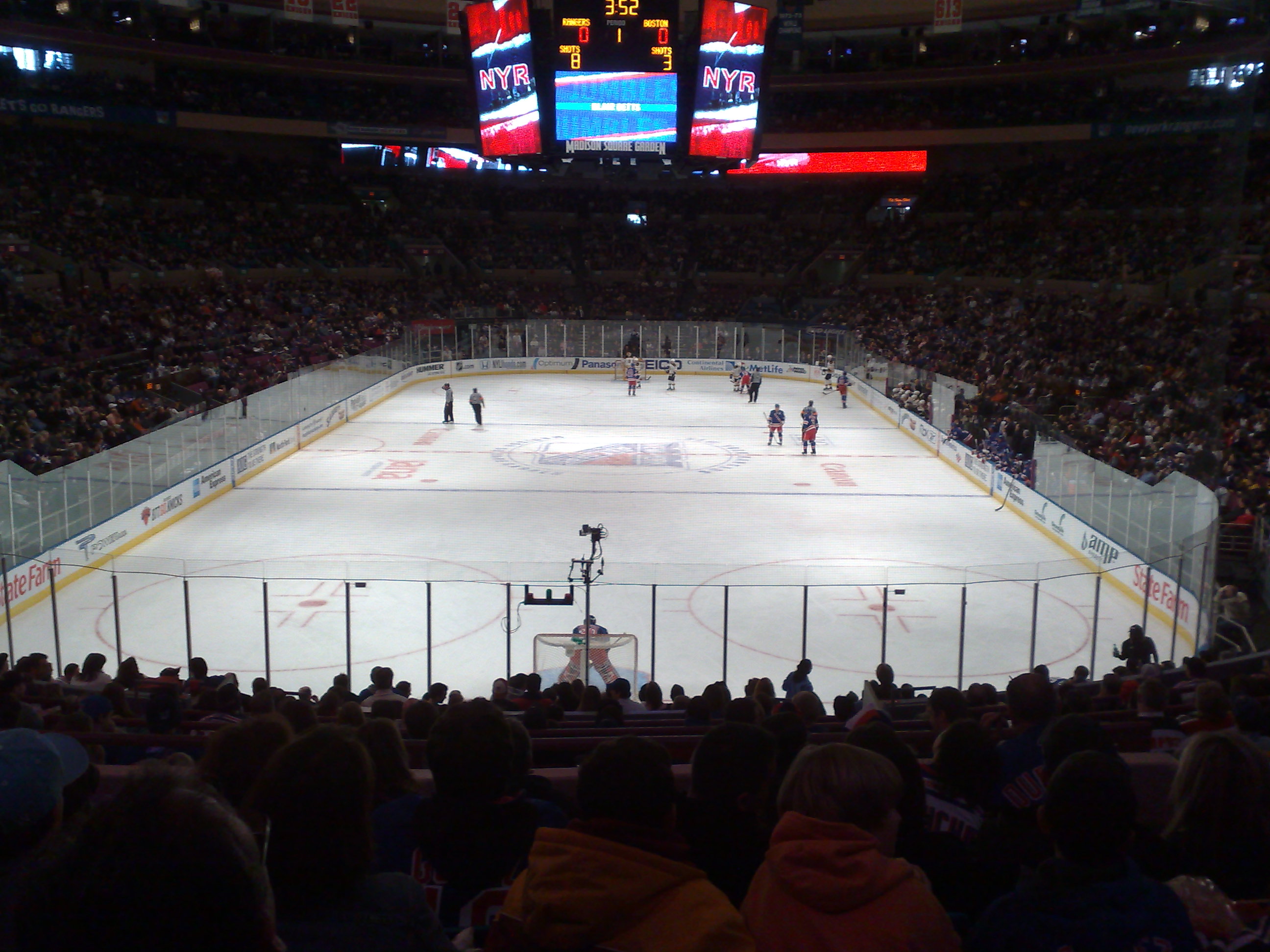
NHL goaltenders engaged in the league's first goalie-vs-goalie fight in almost six years [1] during a game between the Tampa Bay Lightning and the Boston Bruins.
The rare confrontation underscores the unique psychological pressures and unwritten codes that govern the goaltender position within professional hockey. While fights are common among skaters, clashes between goalies are infrequent and often signal a breach of the internal etiquette shared by the league's netminders.
The incident occurred in January 2026 [1], involving players such as Sergei Bobrovsky and Alex Nedeljkovic. This physical manifestation of tension exists alongside a rigorous professional demand for mental fortitude. Current players including Andrei Vasilevskiy and Jeremy Swayman, as well as former goalie Pekka Rinne, have highlighted the necessity of strategic recovery to maintain performance levels.
Maintaining a high level of play requires more than physical readiness. The mental burden of the position often necessitates a complete disconnect from the game during non-starting days to avoid burnout. This routine of mental rest is considered essential for longevity in the crease.
"It's mental," Rinne said [2].
The intersection of these two extremes — the sudden, violent outbursts of a goalie fight and the disciplined pursuit of mental tranquility — defines the modern NHL goaltender. The unwritten code among goalies often dictates how they interact on the ice, but the pressure of the regular season can occasionally override these norms.
“First NHL goalie-vs-goalie fight in almost six years”
The rarity of goalie-on-goalie violence, combined with the current emphasis on mental health and recovery, suggests a shift in how the NHL views the psychological stability of its players. While the 'unwritten code' still triggers occasional physical confrontations, the institutional focus has moved toward sustainable mental rest to prevent the burnout associated with the high-stress nature of the position.


