NHTSA Administrator Jonathan Morrison said self-driving car developers must fix safety issues that cause autonomous vehicles to impede first responders [1].
This warning comes as federal officials examine whether robotaxi fleets are creating public safety risks by obstructing emergency vehicles and personnel during critical interventions [1, 2].
Morrison addressed the issue during an appearance on CNBC Television, saying that there is a clear pattern of autonomous vehicles holding up first responders [3]. He said that these incidents have repeatedly delayed emergency services, which could lead to catastrophic outcomes in time-sensitive situations [1, 2].
While the agency did not issue a formal recall, the public nature of the warning signals increasing regulatory scrutiny. Morrison said that an AV that cannot safely interact with first responders is a danger to the general public [1].
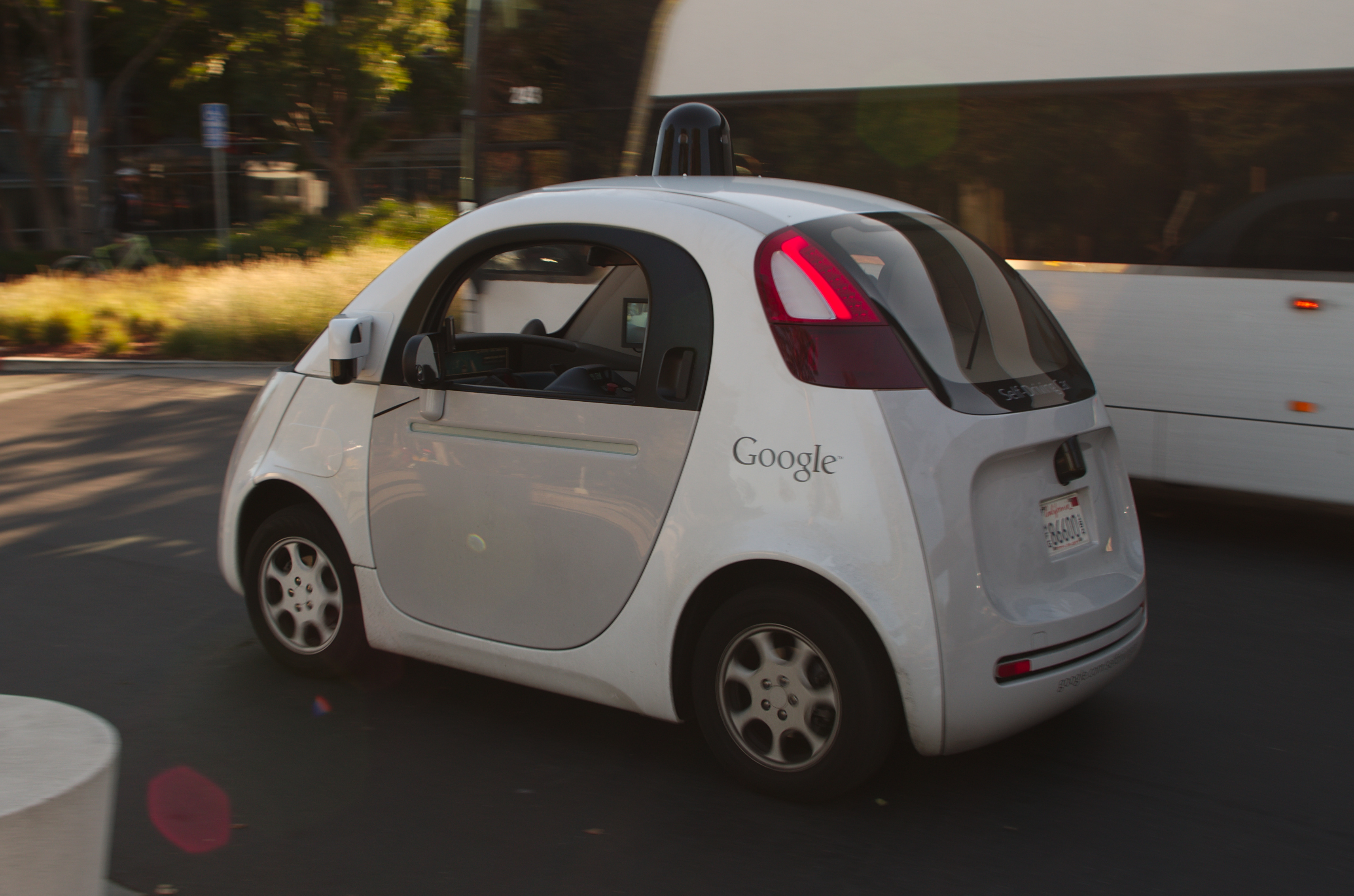
Recent incidents involving robotaxi fleets, specifically those operated by Waymo, have highlighted the problem [1, 2]. In several cases, these vehicles reportedly blocked or delayed responders at the scene of emergencies, a failure in the software's ability to recognize and yield to emergency protocols.
Morrison said that the agency needs to make sure autonomous vehicles are not impeding emergency responders [2]. The NHTSA is now urging developers to prioritize the integration of better interaction protocols to ensure that vehicles can be moved or bypassed by police, fire, and medical services [1, 3].
Failure to address these patterns could lead to more stringent federal oversight or mandatory safety directives for all autonomous vehicle operators in the U.S. [1].
“"An AV that cannot safely interact with first responders is a danger to the general public."”
This shift in tone from the NHTSA suggests that the 'learning phase' for autonomous vehicle deployment in urban environments is ending. By publicly identifying a pattern of failure—specifically regarding Waymo—the regulator is signaling that software-driven convenience cannot supersede the physical requirements of emergency infrastructure. If developers do not implement standardized 'first responder' protocols, the government may transition from public warnings to mandatory safety mandates.