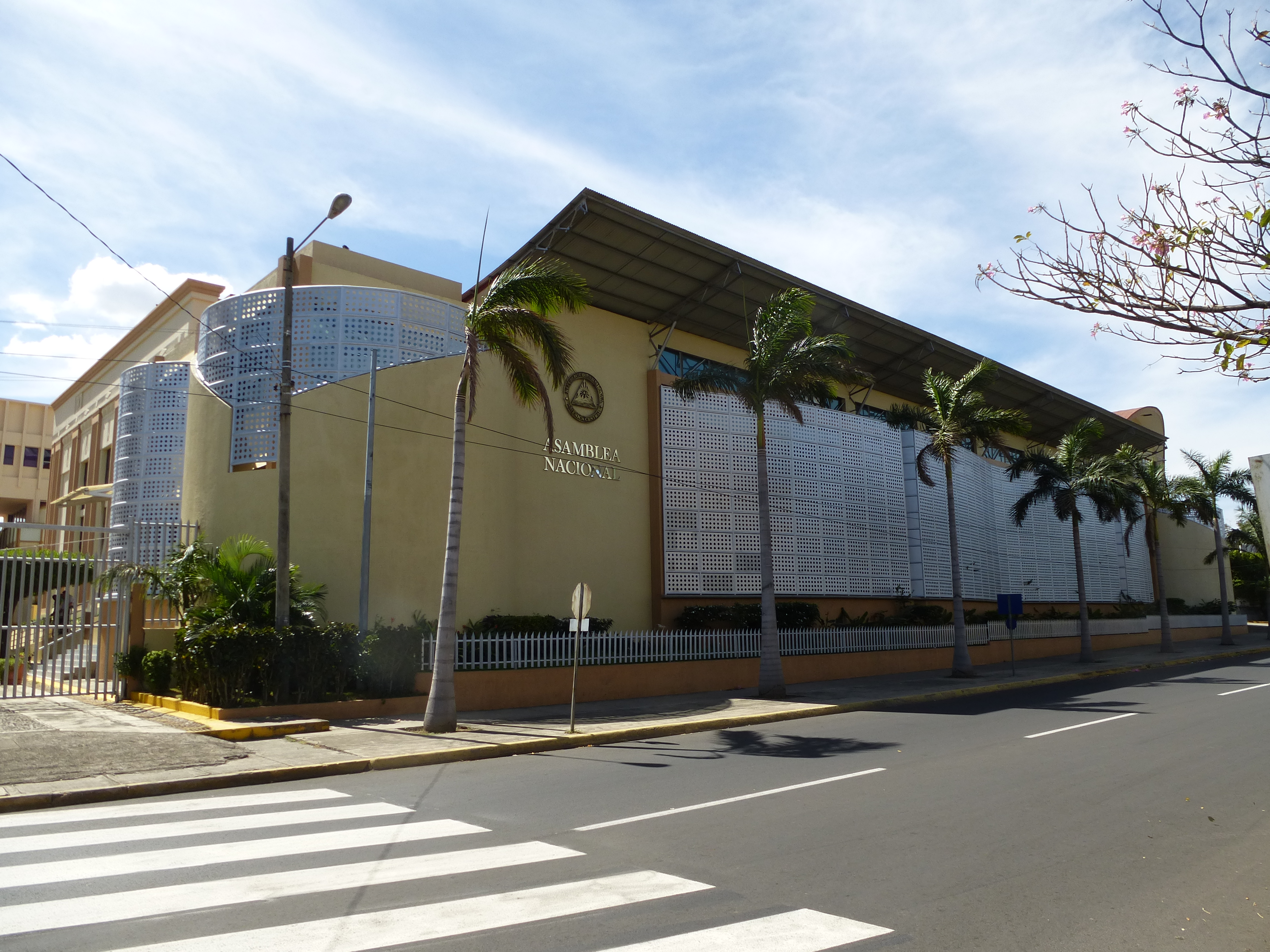
The Nicaraguan Congress announced a work plan that ends the country’s electoral process and removes the possibility of a presidential election in 2027 [1].
This move effectively eliminates the democratic mechanism for leadership change in Nicaragua. By removing the scheduled vote, the government ensures that President Daniel Ortega remains in control without the risk of an electoral challenge.
Acting on the directive of President Ortega, the National Assembly in Managua, led by president Daniel Porras, formally adopted the plan on Wednesday [1, 2]. The decision serves to perpetuate Ortega's rule and consolidate a dictatorial regime within the country [1, 2].
Ortega has been in power since 2007 [1]. The announcement coincided with celebrations marking the 47th anniversary of the Nicaraguan Revolution [1].
The legislative action removes the legal framework for any opposing candidates to vie for the presidency. By dismantling the electoral process, the National Assembly has aligned the state's legal structure with Ortega's goal of permanent leadership [1, 2].
This transition follows a pattern of consolidating power within the executive branch. The removal of the 2027 election [1] represents a final break from the nominal electoral cycles that previously defined the Nicaraguan political system.
“The Nicaraguan Congress announced a work plan that ends the country’s electoral process.”
The elimination of the 2027 election marks a transition from a flawed democracy to an explicit autocracy. By removing the electoral process entirely, the Ortega administration has signaled that it no longer feels the need to maintain the appearance of competitive voting to legitimize its authority, effectively establishing a permanent hold on power.


