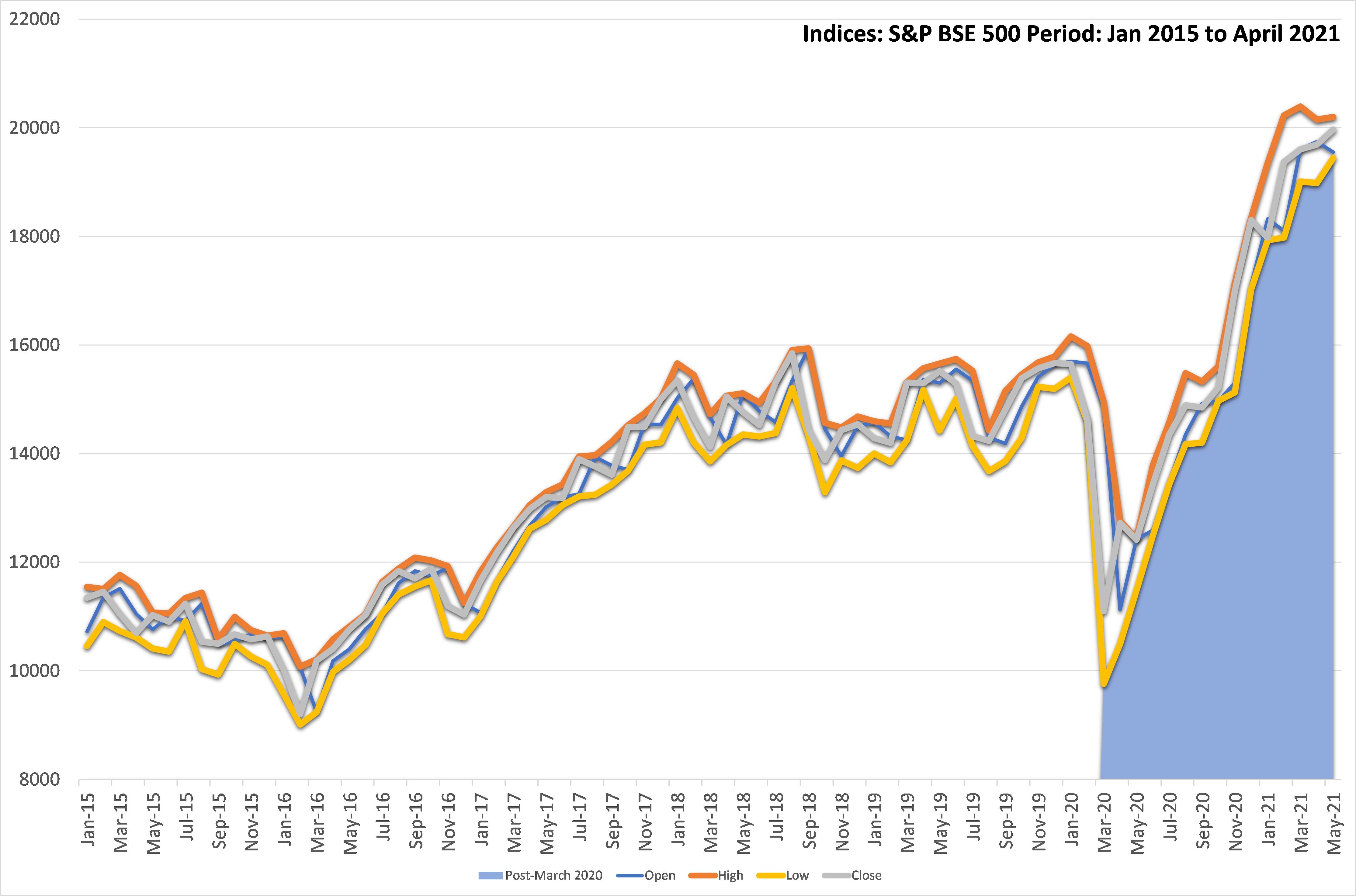
The Nifty 50 index hovered around the 24,000 level on May 25, 2026, as metal stocks emerged as the primary sectoral laggards [1].
This movement reflects a divergence in investor sentiment across different sectors of the Indian equity market. While the broader market showed strength, the struggle within the metal sector suggests specific vulnerabilities to global economic cues and industrial demand trends.
Market data from the session shows that the Sensex surged 1,074 points [2]. This significant jump occurred even as the Nifty 50 remained relatively flat near the 24,000 mark [1]. The disparity highlights a volatile trading environment where certain heavyweights outperformed others.
Analysts said that investors spent the session assessing sector-specific trends and global cues [1]. These factors put downward pressure on metal stocks, preventing the Nifty 50 from mirroring the more aggressive gains seen in the Sensex.
The National Stock Exchange of India served as the primary venue for these shifts [1]. Traders monitored the interaction between domestic growth expectations and international market volatility, a balance that often dictates the trajectory of the benchmark index.
Despite the drag from the metal sector, the overall market tone remained resilient. The ability of the Nifty 50 to maintain its position near 24,000 suggests a strong support level for the index despite the sectoral headwinds [1].
“The Nifty 50 index hovered around the 24,000 level”
The divergence between the Sensex's sharp rise and the Nifty 50's stagnation indicates that gains were concentrated in specific high-cap stocks rather than across the board. The weakness in metal stocks suggests that global commodity price volatility or cooling industrial demand is currently offsetting broader bullish sentiment in the Indian market.


