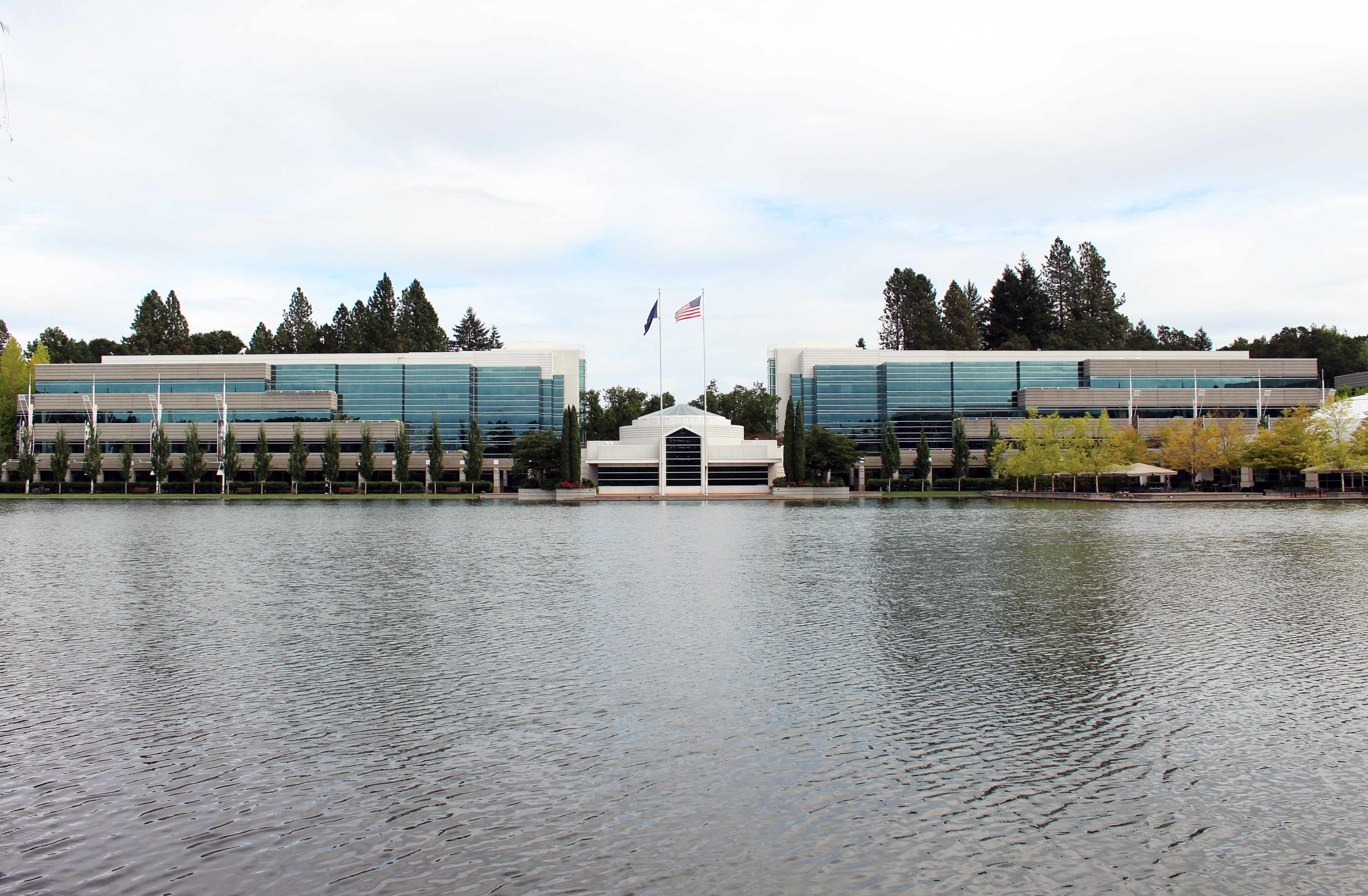
Nike's high-profile global visibility serves as both a commercial boon and a potential legal curse [1].
This duality matters because the scale of a company's brand recognition often correlates with the frequency and intensity of litigation. While a dominant market presence drives sales, it also attracts regulatory scrutiny and private lawsuits that smaller competitors might avoid.
Industry analysts said the company's prominence makes it a primary target for legal disputes [2]. The visibility that allows Nike to command premium pricing and global loyalty also ensures that any perceived misstep is amplified across international markets.
According to reports, big firms are easy targets and can find themselves with more than their fair share of legal troubles [2]. This vulnerability is often a byproduct of the sheer volume of operations and the high stakes associated with maintaining a global trademark.
Legal challenges for large corporations often stem from the fact that they possess deep financial reserves, making them attractive defendants for plaintiffs seeking significant settlements [2]. For Nike, this means that the same brand strength used to win customers can be leveraged by opposing counsel to argue for higher damages.
Maintaining this balance requires a constant investment in legal defense and risk management. The company must navigate a complex landscape where its public image is constantly under review by consumers, regulators, and competitors alike [1].
“Nike's high-profile global visibility serves as both a commercial boon and a potential legal curse.”
The intersection of brand equity and legal liability suggests that for companies like Nike, growth is not merely a financial metric but a risk factor. As a brand becomes a cultural shorthand for a category, it ceases to be just a business and becomes a public target, meaning the cost of maintaining a global image includes a permanent 'litigation tax' built into the operational budget.

'%2F%3E%0A%20%20%20%20%3Crect%20width%3D'1600'%20height%3D'900'%20fill%3D'url(%23v)'%2F%3E%0A%20%20%20%20%3Cg%20opacity%3D'0.08'%20fill%3D'%23ffffff'%3E%0A%20%20%20%20%20%20%3Ccircle%20cx%3D'1420'%20cy%3D'180'%20r%3D'220'%2F%3E%0A%20%20%20%20%20%20%3Ccircle%20cx%3D'1500'%20cy%3D'760'%20r%3D'120'%2F%3E%0A%20%20%20%20%3C%2Fg%3E%0A%20%20%20%20%3Cline%20x1%3D'80'%20y1%3D'172'%20x2%3D'220'%20y2%3D'172'%20stroke%3D'%23ffffff'%20stroke-width%3D'3'%20stroke-opacity%3D'0.6'%2F%3E%0A%20%20%20%20%3Ctext%20x%3D'80'%20y%3D'140'%20font-family%3D'Inter%2C%20-apple-system%2C%20Helvetica%2C%20sans-serif'%20font-weight%3D'700'%20font-size%3D'28'%20fill%3D'%23ffffff'%20letter-spacing%3D'6'%3EHANNA%20%C2%B7%20NEWS%3C%2Ftext%3E%0A%20%20%20%20%3Ctext%20x%3D'80'%20y%3D'230'%20font-family%3D'Inter%2C%20-apple-system%2C%20Helvetica%2C%20sans-serif'%20font-weight%3D'600'%20font-size%3D'40'%20fill%3D'%23ffffffb3'%20letter-spacing%3D'4'%3EBUSINESS%3C%2Ftext%3E%0A%20%20%20%20%3Ctext%20x%3D'80'%20y%3D'622'%20font-family%3D'Playfair%20Display%2C%20Georgia%2C%20serif'%20font-weight%3D'800'%20font-size%3D'86'%20fill%3D'%23ffffff'%20letter-spacing%3D'-1'%3ERyan%20Serhant%20Says%20US%20Housing%3C%2Ftext%3E%3Ctext%20x%3D'80'%20y%3D'721'%20font-family%3D'Playfair%20Display%2C%20Georgia%2C%20serif'%20font-weight%3D'800'%20font-size%3D'86'%20fill%3D'%23ffffff'%20letter-spacing%3D'-1'%3EMarket%20Split%20Into%20%26apos%3BFour%3C%2Ftext%3E%3Ctext%20x%3D'80'%20y%3D'820'%20font-family%3D'Playfair%20Display%2C%20Georgia%2C%20serif'%20font-weight%3D'800'%20font-size%3D'86'%20fill%3D'%23ffffff'%20letter-spacing%3D'-1'%3EAmericas%26apos%3B%3C%2Ftext%3E%0A%20%20%20%20%3Ctext%20x%3D'80'%20y%3D'870'%20font-family%3D'Inter%2C%20-apple-system%2C%20Helvetica%2C%20sans-serif'%20font-weight%3D'500'%20font-size%3D'22'%20fill%3D'%23ffffff66'%20letter-spacing%3D'2'%3Enews.hanna-ai.com%3C%2Ftext%3E%0A%20%20%3C%2Fsvg%3E)
