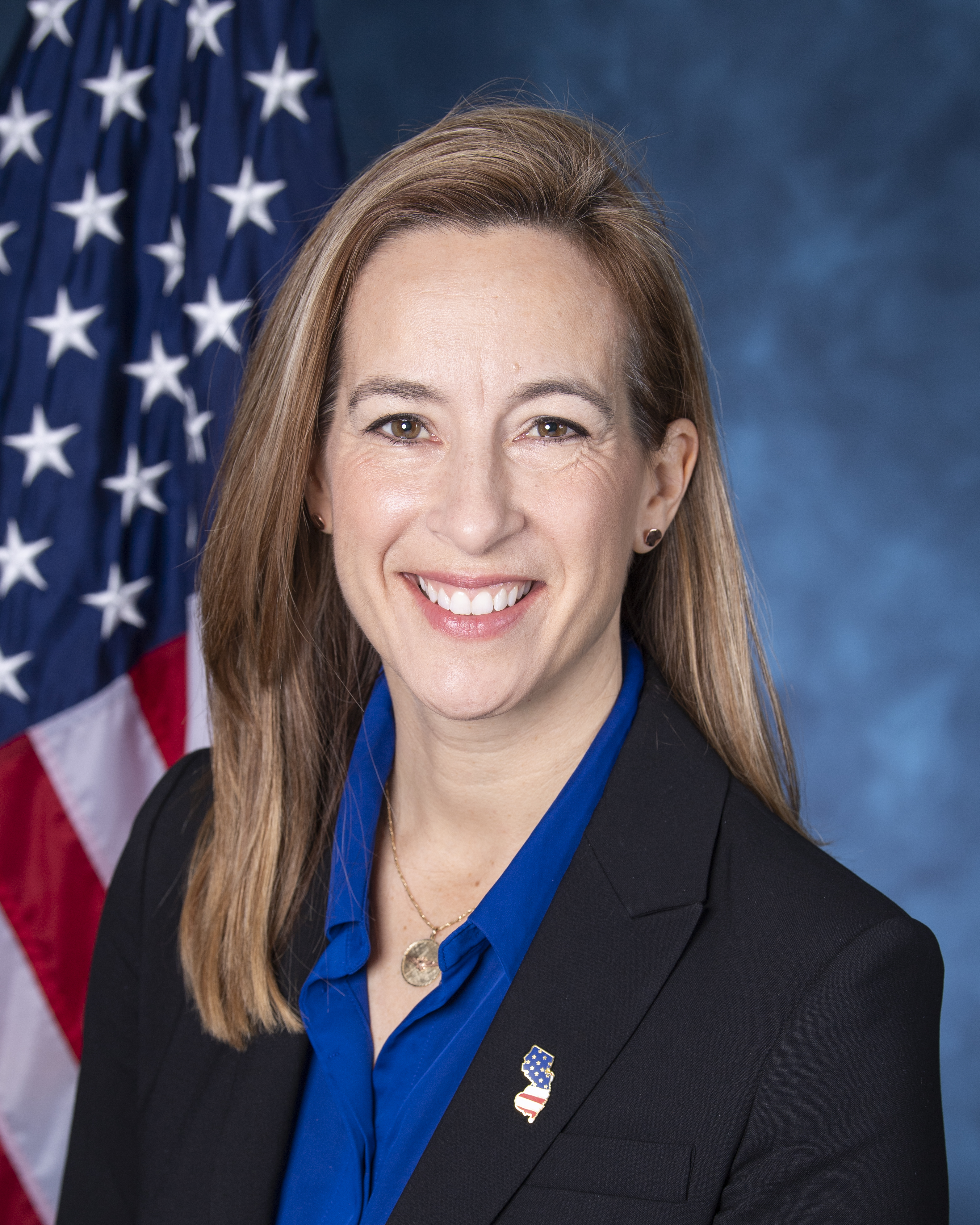
New Jersey Gov. Mikie Sherrill said a computer glitch mistakenly registered approximately 6,600 noncitizens to vote in the state [1].
This development highlights vulnerabilities in voter registration systems and the challenges states face when cleaning voter rolls to ensure eligibility. The issue has drawn national attention, including commentary from election officials in other states.
Sherrill said that the registrations occurred three years ago due to a technical failure. The error allowed individuals who did not meet citizenship requirements to be added to the voter rolls. According to the governor, the number of affected registrations totaled about 6,600 [1].
Georgia Secretary of State Brad Raffensperger also discussed the situation on Tuesday. Raffensperger said the implications of the New Jersey error, though he was not directly involved in the administration of the New Jersey rolls.
The incident underscores the reliance on automated systems for verifying voter eligibility. While the glitch was identified, the scale of the error—affecting thousands of registrations—remains a point of discussion among state officials and federal authorities.
Sherrill did not provide further details on the specific nature of the computer glitch or the current status of the affected voter records. The governor's remarks come as states continue to refine the processes used to verify citizenship during the registration phase.
“A computer glitch mistakenly registered approximately 6,600 noncitizens to vote”
The admission of a large-scale registration error due to a technical glitch emphasizes the tension between automated efficiency and accuracy in election administration. As states implement more rigorous verification processes, such incidents often become catalysts for legislative debates over voter roll maintenance and the security of digital registration systems.