New Jersey state police established barricades, protest zones, and vehicle checkpoints around the Delaney Hall ICE detention facility in Newark this week [1, 2].
The escalation follows a hunger-and-labor strike by detainees that has drawn widespread public support and sparked clashes between activists and law enforcement. The deployment of state resources signals a heightened effort by the administration to restrict access to the site and suppress demonstrations during a period of rising tension.
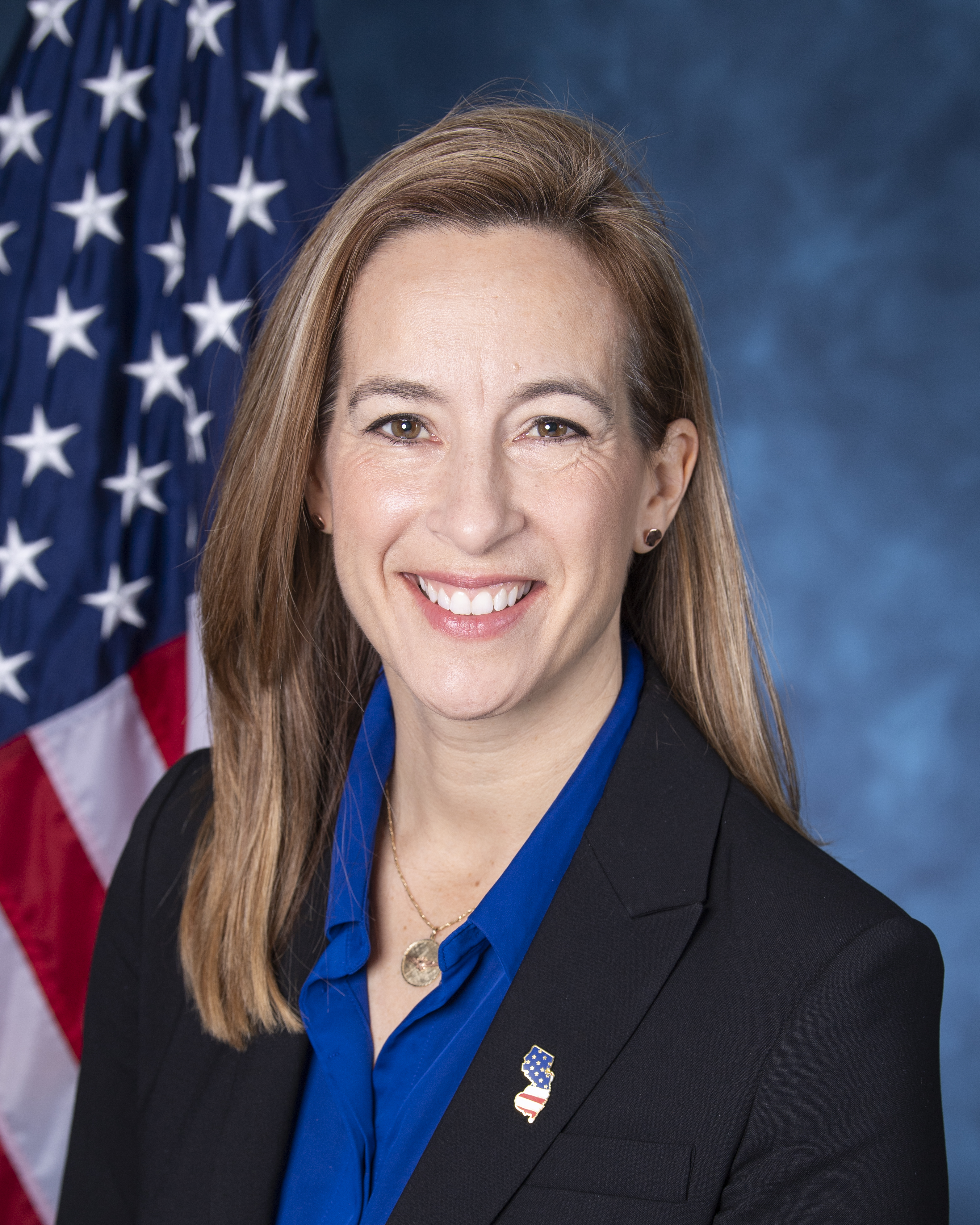
Governor Mikie Sherrill deployed the state police to maintain public order and manage the crowds gathered outside the facility [1, 2]. Along with the checkpoints, officials imposed a nightly curfew around the perimeter of the center [1, 2]. These measures were implemented following a violent holiday weekend in late May 2026, during which protesters and police clashed for multiple consecutive nights [1, 3].
Approximately 300 immigrants detained at the facility are currently participating in the hunger-and-labor strike [1]. Activists reporting from the scene said police brutality has occurred during the crackdown on those supporting the detainees [1, 3].
Newark Mayor Ras J. Baraka and Governor Sherrill have overseen the response to the unrest in the city [1]. The state police presence is intended to create designated protest zones, which separates demonstrators from the facility's entrances and exits [2].
The crackdown comes as advocates call for an end to the detention and improved conditions for those inside the private ICE jail [1, 2]. The presence of state police adds a layer of state-level enforcement to a federal immigration detention matter, a move that has drawn criticism from civil rights groups.
“Approximately 300 immigrants detained at the facility are currently participating in the hunger-and-labor strike.”
The deployment of state police to a federal ICE facility indicates a significant coordination between state and federal interests to contain civil unrest. By establishing a curfew and restrictive protest zones, the New Jersey government is prioritizing the physical security of the facility and the flow of traffic over the unrestricted assembly of activists. This move may further polarize local sentiment in Newark as the hunger strike continues to garner attention.