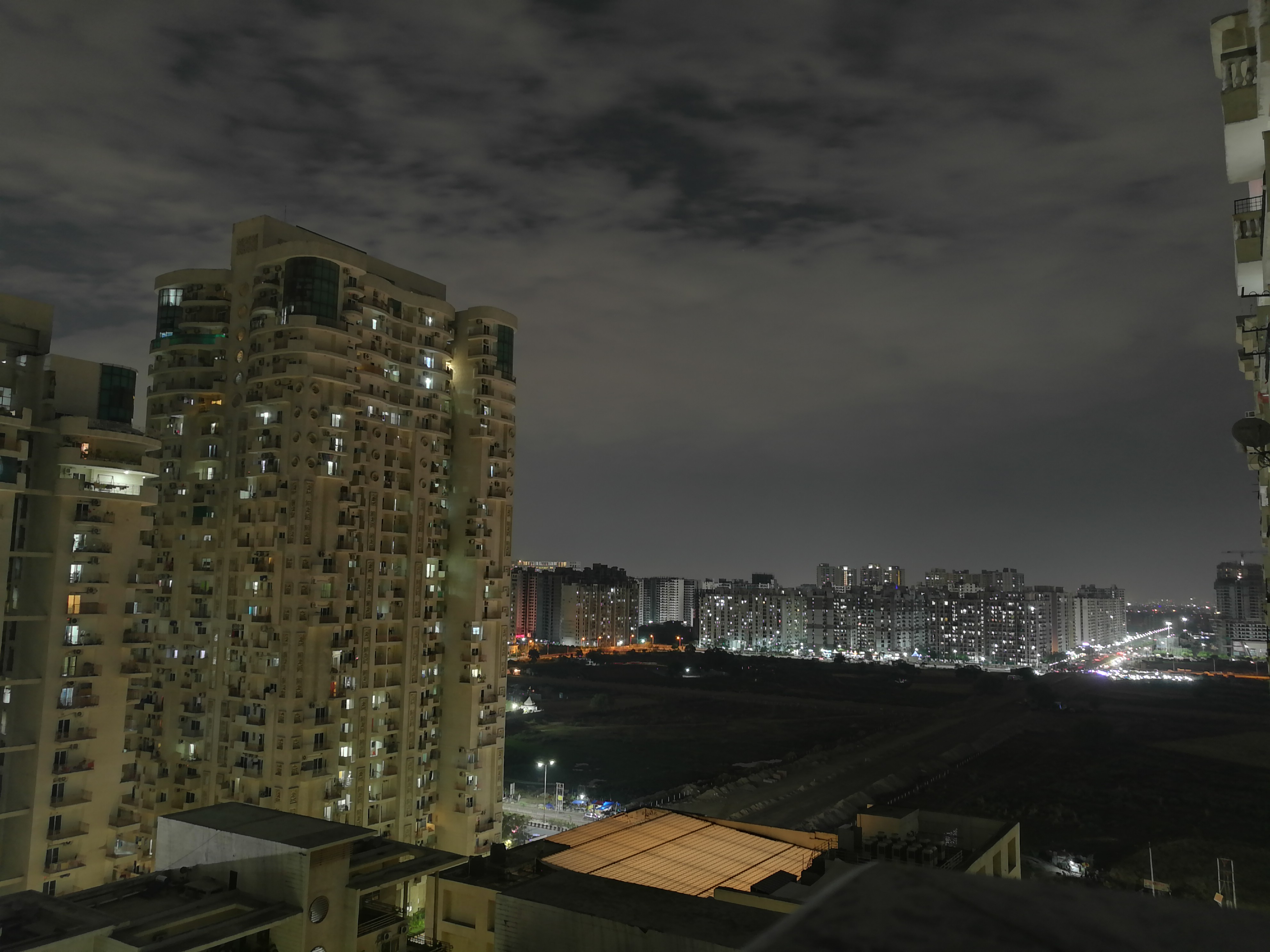
A fire broke out in a residential flat at Aranya Society in Sector-119, Noida, prompting a response from emergency crews [1].
The incident highlights the persistent risks of electrical malfunctions in high-rise residential complexes, where rapid fire spread can threaten hundreds of occupants.
Emergency services dispatched six fire tenders to the scene to combat the blaze [1]. The fire erupted on the 22nd floor of the residential tower [2]. No casualties have been reported so far [1].
Preliminary assessments suggest the fire was triggered by an air-conditioner blast [2]. The affected area falls under the jurisdiction of the Sector-113 police station [1].
Firefighters worked to contain the flames and evacuate the immediate area. The use of multiple tenders indicates the scale of the response required for a fire located at such a significant height. While the cause remains suspected to be an AC unit, official confirmation typically follows a detailed forensic investigation of the wreckage.
Residents of the society were alerted as crews managed the scene. The lack of injuries suggests that evacuation protocols were either followed, or the fire was contained before it could spread to adjacent units.
“Six fire tenders were sent to the scene.”
This incident underscores the critical importance of regular appliance maintenance and the efficacy of high-rise fire safety systems. When fires occur on upper floors, such as the 22nd floor, the reliance on specialized equipment and rapid response from multiple fire tenders is essential to prevent a localized electrical failure from becoming a mass-casualty event.