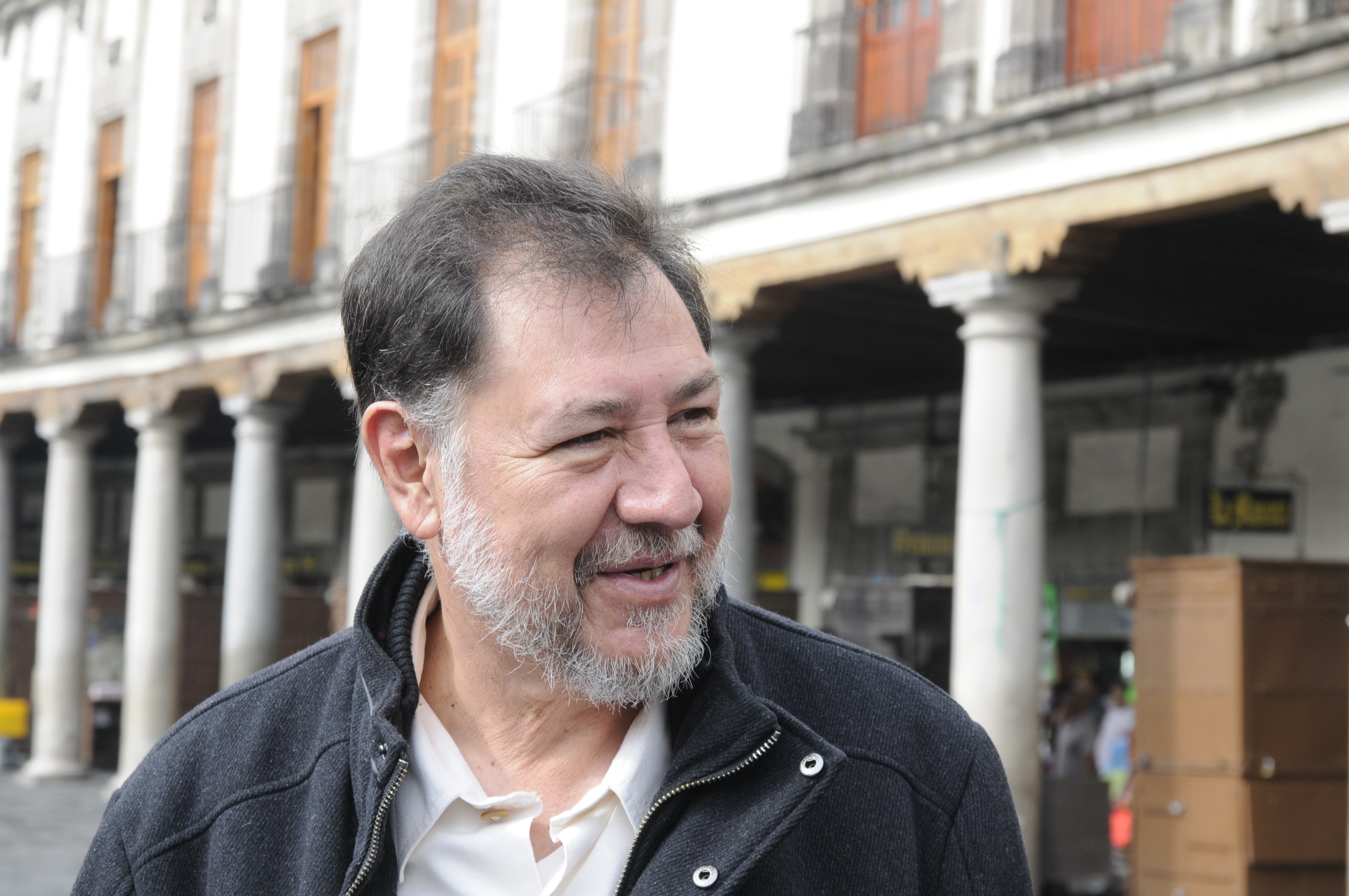
Sen. Gerardo Fernández Noroña has challenged a gender-based political violence sanction issued by the Electoral Tribunal of Michoacán [1, 2].
The legal move comes as Noroña seeks to protect his standing in the race for the presidency of the Senate. A sanction of this nature could potentially disqualify him from leadership roles or impact his political trajectory within the upper house.
Noroña said the sanction is an unfair measure that criminalizes political debate between men and women [2, 3]. He said the ruling serves as a mechanism to exclude him from the competition for the Senate presidency [1, 4].
The dispute originates from activities in Michoacán, specifically involving the municipality of Uruapan and the state's electoral tribunal [1, 2]. While the tribunal found evidence of political violence against women, Noroña said his actions were part of a legitimate political discourse [2, 3].
By filing the appeal, the senator aims to overturn the sentence and ensure his eligibility to compete for the Senate's board of directors [4]. He said the legal action is a necessary step to prevent the weaponization of gender violence laws to stifle political opposition [1, 4].
The case highlights a growing tension in Mexican politics regarding the application of laws designed to protect women from political harassment versus the boundaries of aggressive political debate [2, 3].
“Noroña said the sanction is an unfair measure that criminalizes political debate between men and women.”
This legal challenge reflects a broader conflict in Mexico over the interpretation of 'political violence against women in candidate roles.' While these laws aim to ensure equity and safety for women in politics, the case of Sen. Noroña suggests a tension where political figures argue that such frameworks are being used as strategic tools to eliminate opponents from leadership contests.


