
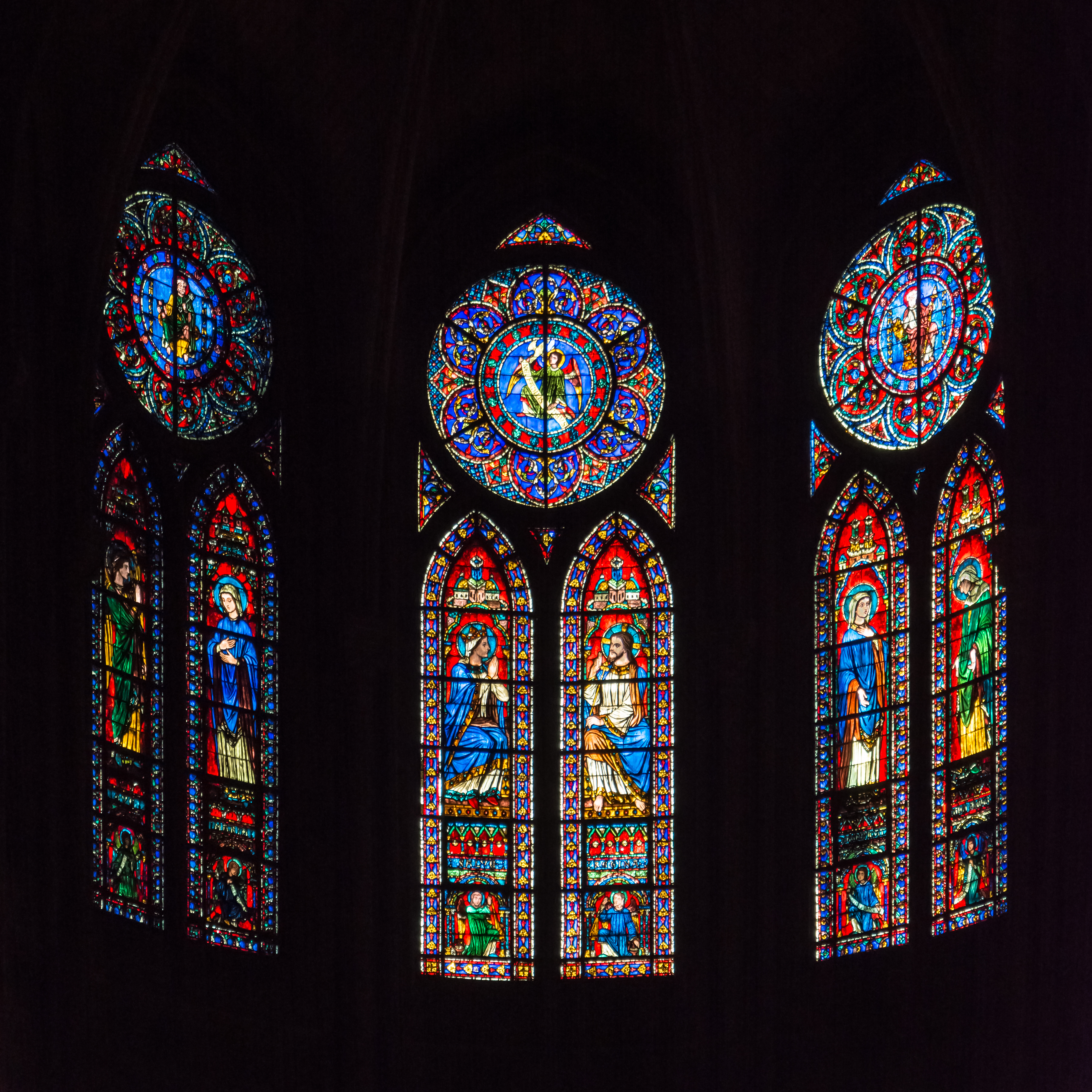
A Parisian court has ruled against a proposal to replace six historic stained-glass windows at Notre Dame cathedral with contemporary designs [1].
The ruling marks a significant victory for preservationists who said that altering the cathedral's original elements threatens the historic fabric of the building [1, 2]. The dispute centers on the balance between honoring the cathedral's history and commemorating the fire that caused extensive damage to the structure [1, 2].
Heritage associations led the legal challenge against the plan to install modern artwork in place of the traditional glass [1, 2]. These groups said that the installation of new designs would disrupt the architectural integrity of the site [2]. The proposal was intended to serve as a memorial to the fire, but critics said it was an unnecessary modification of a protected landmark [1, 2].
The tension surrounding the restoration has been visible beyond the courtroom. In 2025, an exhibition related to the ongoing dispute was held at the Paris Grand Palais [2]. This event highlighted the public and professional divide over how to handle the cathedral's recovery process and the role of modern art in ancient spaces [2].
While the legal battle over the windows has reached a turning point, other restoration efforts remain active. Work on the exterior of the cathedral and the surrounding areas is scheduled to continue until 2027 [3]. These efforts aim to fully restore the landmark to its former state following the catastrophic blaze [3].
The court's decision ensures that the six windows [1] will remain in their historic form, preventing the introduction of contemporary art into those specific sections of the cathedral [1, 2].
“A Parisian court has ruled against a proposal to replace six historic stained-glass windows”
This ruling underscores the legal priority of historic preservation over artistic modernization in France's national monuments. By blocking the contemporary replacements, the court has reinforced a strict interpretation of heritage conservation, signaling that commemorative additions cannot override the original architectural intent of a protected site.


'%2F%3E%0A%20%20%20%20%3Crect%20width%3D'1600'%20height%3D'900'%20fill%3D'url(%23v)'%2F%3E%0A%20%20%20%20%3Cg%20opacity%3D'0.08'%20fill%3D'%23ffffff'%3E%0A%20%20%20%20%20%20%3Ccircle%20cx%3D'1420'%20cy%3D'180'%20r%3D'220'%2F%3E%0A%20%20%20%20%20%20%3Ccircle%20cx%3D'1500'%20cy%3D'760'%20r%3D'120'%2F%3E%0A%20%20%20%20%3C%2Fg%3E%0A%20%20%20%20%3Cline%20x1%3D'80'%20y1%3D'172'%20x2%3D'220'%20y2%3D'172'%20stroke%3D'%23ffffff'%20stroke-width%3D'3'%20stroke-opacity%3D'0.6'%2F%3E%0A%20%20%20%20%3Ctext%20x%3D'80'%20y%3D'140'%20font-family%3D'Inter%2C%20-apple-system%2C%20Helvetica%2C%20sans-serif'%20font-weight%3D'700'%20font-size%3D'28'%20fill%3D'%23ffffff'%20letter-spacing%3D'6'%3EHANNA%20%C2%B7%20NEWS%3C%2Ftext%3E%0A%20%20%20%20%3Ctext%20x%3D'80'%20y%3D'230'%20font-family%3D'Inter%2C%20-apple-system%2C%20Helvetica%2C%20sans-serif'%20font-weight%3D'600'%20font-size%3D'40'%20fill%3D'%23ffffffb3'%20letter-spacing%3D'4'%3EWORLD%3C%2Ftext%3E%0A%20%20%20%20%3Ctext%20x%3D'80'%20y%3D'622'%20font-family%3D'Playfair%20Display%2C%20Georgia%2C%20serif'%20font-weight%3D'800'%20font-size%3D'86'%20fill%3D'%23ffffff'%20letter-spacing%3D'-1'%3EHan%20Dong-hoon%20Urges%3C%2Ftext%3E%3Ctext%20x%3D'80'%20y%3D'721'%20font-family%3D'Playfair%20Display%2C%20Georgia%2C%20serif'%20font-weight%3D'800'%20font-size%3D'86'%20fill%3D'%23ffffff'%20letter-spacing%3D'-1'%3E%26apos%3BBetrayer%26apos%3B%20Label%3C%2Ftext%3E%3Ctext%20x%3D'80'%20y%3D'820'%20font-family%3D'Playfair%20Display%2C%20Georgia%2C%20serif'%20font-weight%3D'800'%20font-size%3D'86'%20fill%3D'%23ffffff'%20letter-spacing%3D'-1'%3Ein%20Busan%20Campaign%20Video%3C%2Ftext%3E%0A%20%20%20%20%3Ctext%20x%3D'80'%20y%3D'870'%20font-family%3D'Inter%2C%20-apple-system%2C%20Helvetica%2C%20sans-serif'%20font-weight%3D'500'%20font-size%3D'22'%20fill%3D'%23ffffff66'%20letter-spacing%3D'2'%3Enews.hanna-ai.com%3C%2Ftext%3E%0A%20%20%3C%2Fsvg%3E)