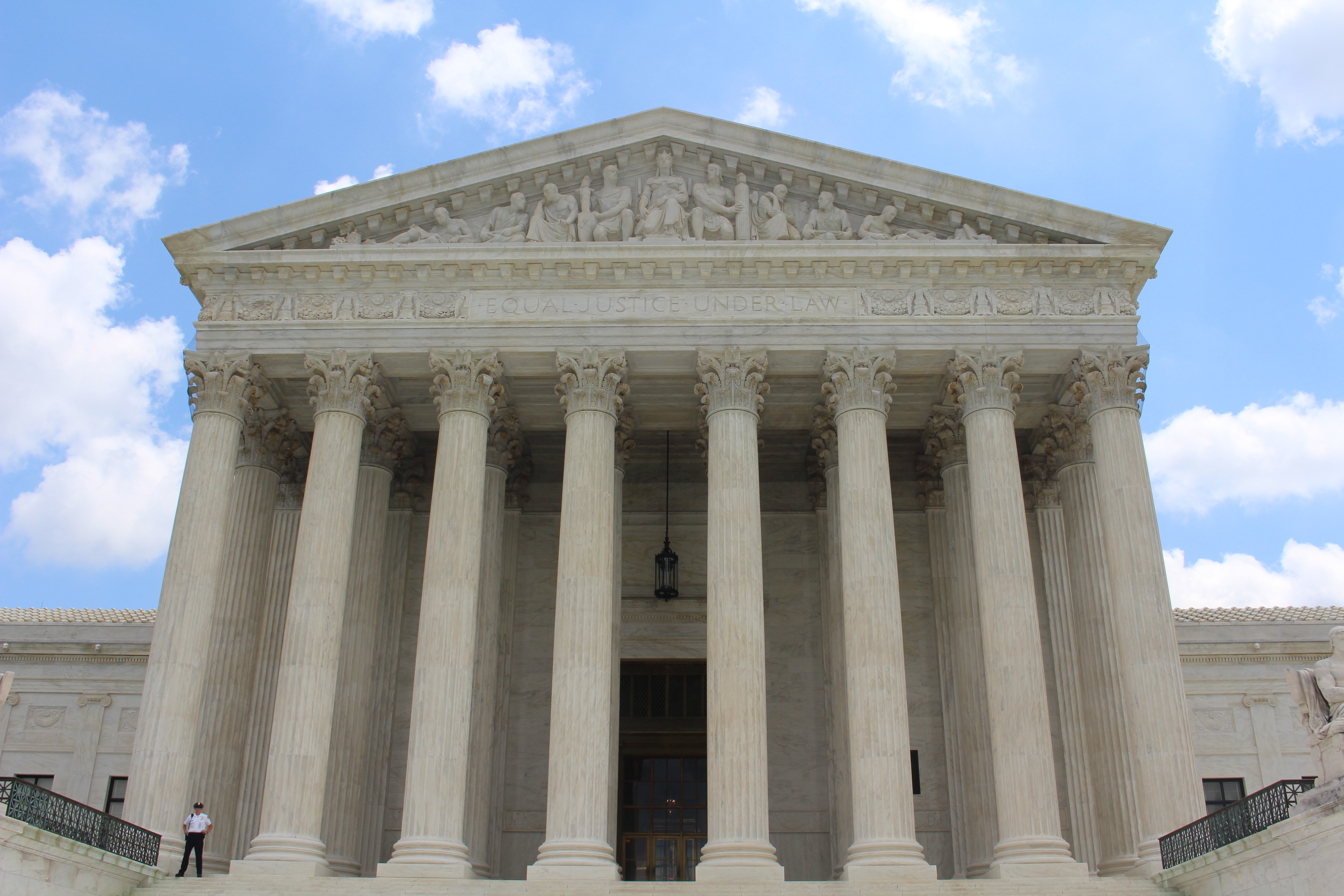
The Canadian Union of Public Employees and the Nova Scotia provincial government have agreed to resume contract negotiations after a month of strikes.
This agreement marks a critical step in resolving a labor dispute that has impacted thousands of workers [4] and more than 30 long-term care facilities [4]. The resolution is vital to prevent a prolonged crisis in elderly care and to address the stability of the provincial healthcare workforce.
The current labor conflict began after the parties reached an impasse on March 24, 2024 [1]. Following that deadlock, the strike officially commenced on April 13, 2024 [2]. For four weeks, workers walked off the job to protest wages and working conditions [3].
Union representatives said that the push for better pay is necessary to keep up with the rising cost of living. The government has sought to resolve the dispute to ensure that long-term care homes can operate without further disruption.
Negotiations are set to resume outside Province House in Halifax [5]. While both sides have agreed to return to the bargaining table, no new deal has been finalized yet [5]. The return to talks follows weeks of pressure from labor leaders and community advocates who highlighted the strain on the care system.
The strike has highlighted the tension between provincial budget constraints and the demands of frontline healthcare staff. Because the strike affected more than 30 facilities [4], the impact was felt across a wide geographic area of the province, complicating the delivery of essential services to seniors.
“The Canadian Union of Public Employees and the Nova Scotia provincial government have agreed to resume contract negotiations”
The return to bargaining indicates that neither the provincial government nor the union could sustain a stalemate without risking a total collapse of long-term care services. By resuming talks in early May 2024, the parties are attempting to balance the fiscal limits of the province with the urgent need to retain healthcare workers who are struggling with inflation.