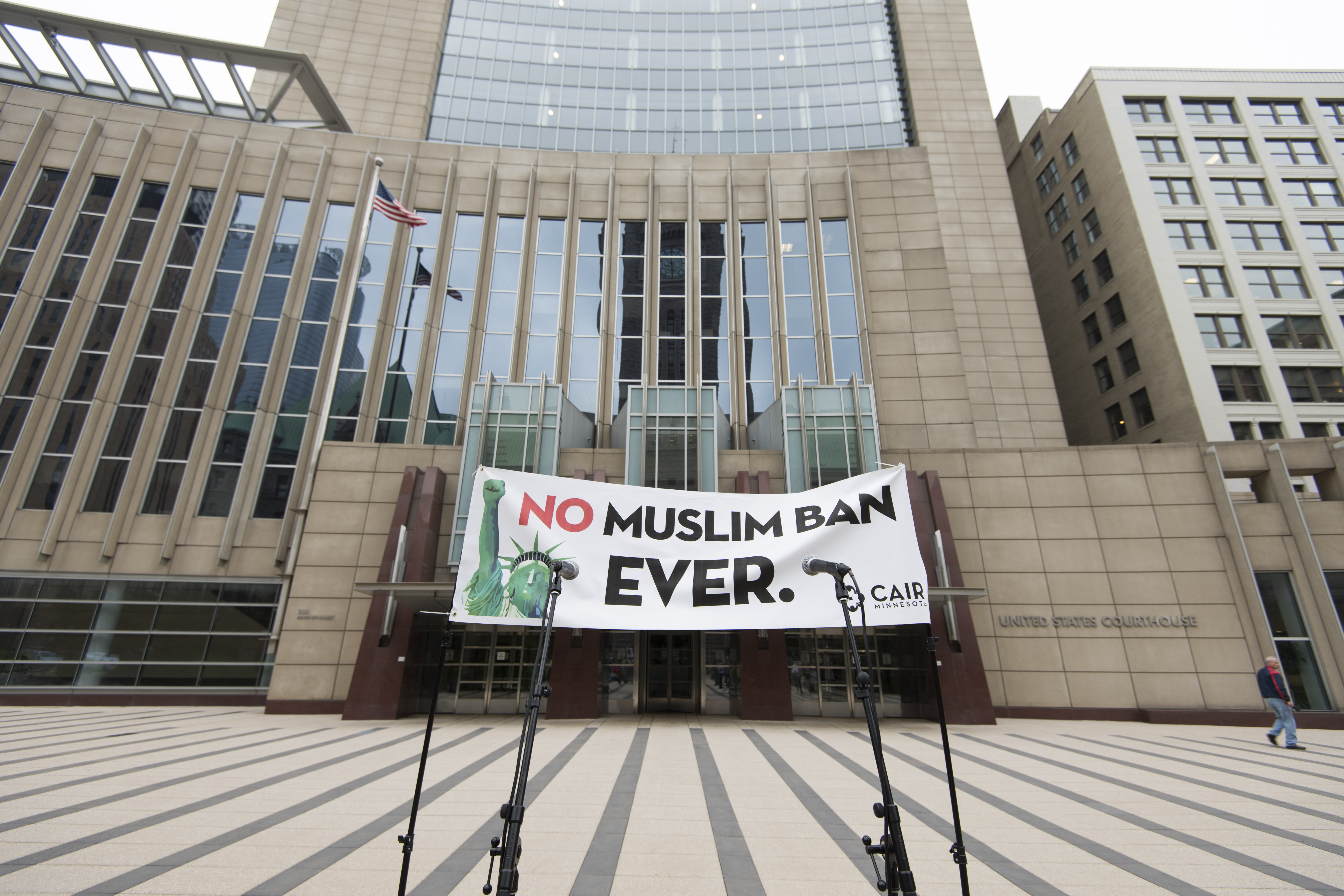
Members of the National Students' Union of India (NSUI) protested at Shastri Bhawan in New Delhi over alleged rigging in the NEET-UG 2026 examination.
The demonstrations highlight growing tensions between student advocates and national testing authorities regarding the integrity of medical entrance exams. Because these tests determine access to medical education for millions of candidates, allegations of fraud can jeopardize the career prospects of an entire academic cohort.
NSUI National President Vinod Jakhar led the protests, where members called for a complete ban on the National Testing Agency (NTA). The group is demanding a Supreme Court-monitored investigation to address the suspected paper leak and perceived inaction by the agency [1], [2].
"We demand strict action against those involved, a Supreme Court-monitored investigation, and a ban on the NTA," Jakhar said [1].
The controversy centers on the NEET-UG 2026 exam, which saw 2.3 million students participate [2]. The protests erupted shortly after the announcement of the results earlier this year [1], [2].
However, the NTA has contested these allegations. The agency said that reports of paper leaks circulating on platforms such as Telegram and WhatsApp are fake [3]. This contradiction between the official agency stance and the student allegations has fueled the calls for independent judicial oversight.
The NSUI maintains that the scale of the alleged rigging requires a systemic overhaul of how these examinations are administered to ensure fairness for all candidates [1], [2].
“We demand strict action against those involved, a Supreme Court-monitored investigation, and a ban on the NTA.”
The clash between the NSUI and the NTA reflects a deepening crisis of trust in India's standardized testing infrastructure. If the allegations of rigging are proven, it could lead to a legal mandate for the restructuring of the NTA or a complete change in the administration of the NEET-UG. Conversely, if the leaks are proven fake, the incident underscores the volatility of social media in shaping public perception of academic integrity.
'%2F%3E%0A%20%20%20%20%3Crect%20width%3D'1600'%20height%3D'900'%20fill%3D'url(%23v)'%2F%3E%0A%20%20%20%20%3Cg%20opacity%3D'0.08'%20fill%3D'%23ffffff'%3E%0A%20%20%20%20%20%20%3Ccircle%20cx%3D'1420'%20cy%3D'180'%20r%3D'220'%2F%3E%0A%20%20%20%20%20%20%3Ccircle%20cx%3D'1500'%20cy%3D'760'%20r%3D'120'%2F%3E%0A%20%20%20%20%3C%2Fg%3E%0A%20%20%20%20%3Cline%20x1%3D'80'%20y1%3D'172'%20x2%3D'220'%20y2%3D'172'%20stroke%3D'%23ffffff'%20stroke-width%3D'3'%20stroke-opacity%3D'0.6'%2F%3E%0A%20%20%20%20%3Ctext%20x%3D'80'%20y%3D'140'%20font-family%3D'Inter%2C%20-apple-system%2C%20Helvetica%2C%20sans-serif'%20font-weight%3D'700'%20font-size%3D'28'%20fill%3D'%23ffffff'%20letter-spacing%3D'6'%3EHANNA%20%C2%B7%20NEWS%3C%2Ftext%3E%0A%20%20%20%20%3Ctext%20x%3D'80'%20y%3D'230'%20font-family%3D'Inter%2C%20-apple-system%2C%20Helvetica%2C%20sans-serif'%20font-weight%3D'600'%20font-size%3D'40'%20fill%3D'%23ffffffb3'%20letter-spacing%3D'4'%3EWORLD%3C%2Ftext%3E%0A%20%20%20%20%3Ctext%20x%3D'80'%20y%3D'622'%20font-family%3D'Playfair%20Display%2C%20Georgia%2C%20serif'%20font-weight%3D'800'%20font-size%3D'86'%20fill%3D'%23ffffff'%20letter-spacing%3D'-1'%3EAnti-Immigrant%20Protests%3C%2Ftext%3E%3Ctext%20x%3D'80'%20y%3D'721'%20font-family%3D'Playfair%20Display%2C%20Georgia%2C%20serif'%20font-weight%3D'800'%20font-size%3D'86'%20fill%3D'%23ffffff'%20letter-spacing%3D'-1'%3EParalyze%20Several%20South%3C%2Ftext%3E%3Ctext%20x%3D'80'%20y%3D'820'%20font-family%3D'Playfair%20Display%2C%20Georgia%2C%20serif'%20font-weight%3D'800'%20font-size%3D'86'%20fill%3D'%23ffffff'%20letter-spacing%3D'-1'%3EAfrican%20Cities%3C%2Ftext%3E%0A%20%20%20%20%3Ctext%20x%3D'80'%20y%3D'870'%20font-family%3D'Inter%2C%20-apple-system%2C%20Helvetica%2C%20sans-serif'%20font-weight%3D'500'%20font-size%3D'22'%20fill%3D'%23ffffff66'%20letter-spacing%3D'2'%3Enews.hanna-ai.com%3C%2Ftext%3E%0A%20%20%3C%2Fsvg%3E)