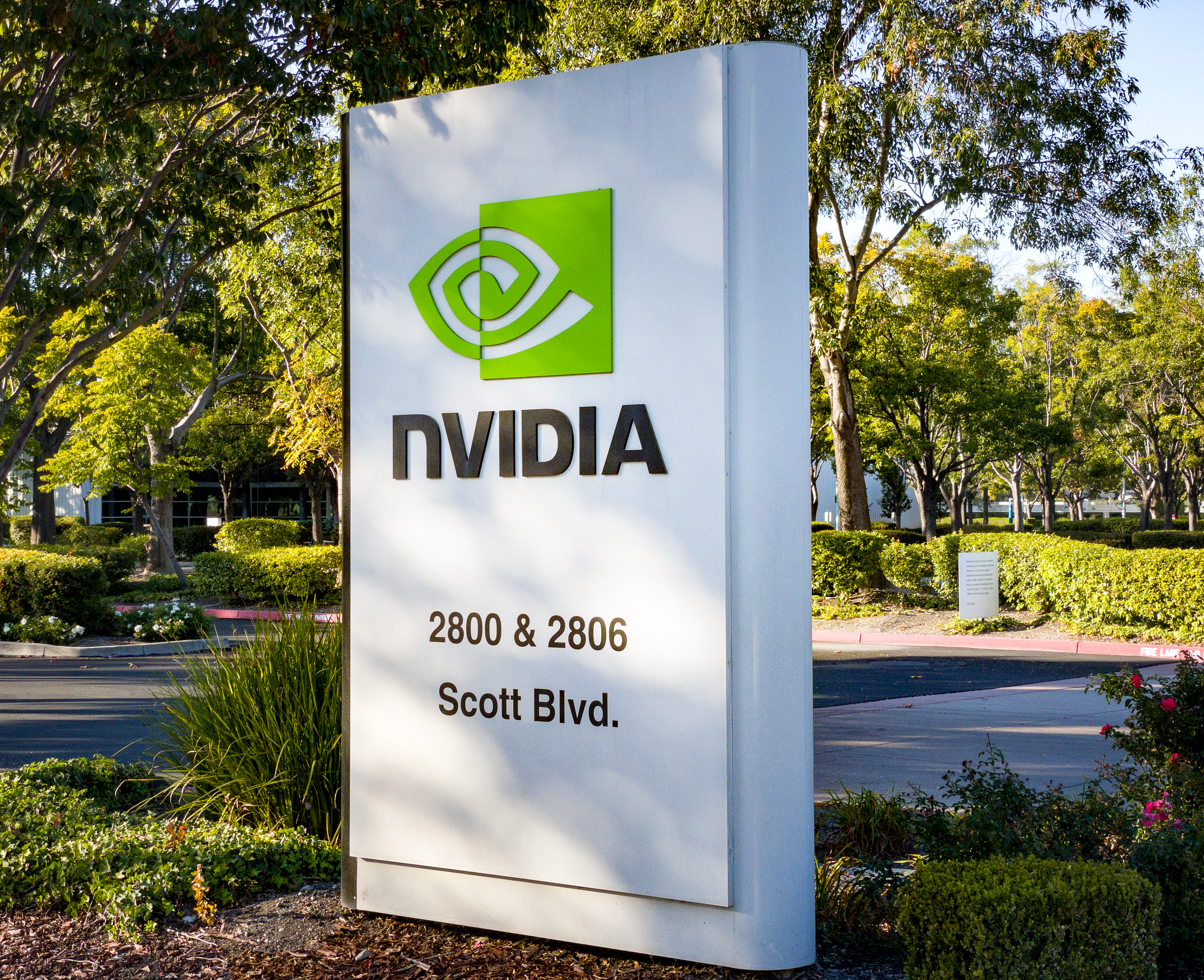
Nvidia Corp. reported earnings that exceeded Wall Street expectations across all key metrics, pushing the company's market value to approximately $3.6 trillion [2].
The results underscore the continuing dominance of AI-related hardware in the global economy. As companies scale their artificial intelligence infrastructure, Nvidia remains the primary provider of the necessary processing power.
Revenue for the period reached $96.2 billion [1], surpassing the $92.38 billion expected by analysts [1]. The company's adjusted earnings per share stood at $2.22 [1], beating the projected $2.09 [1]. This growth was largely fueled by the data-center segment, which generated $89 billion in revenue [1].
Profitability also increased. Nvidia reported a profit margin of 75 percent [1], an increase from the 72.7 percent margin reported in the prior year [1]. The company provided optimistic guidance for the next quarter, projecting revenue of $108 billion [1].
Despite the strong financial performance, some analysts expressed caution. Ben Bajarin, an analyst, said the stock is already fully priced [1]. This bearish perspective suggests that the current market valuation already accounts for the company's projected growth, leaving little room for further stock price increases.
Other analysts, including Senior Analyst Jay Goldberg, said the earnings beat was strong [1]. The surge in market value reflects investor confidence in the sustained demand for AI chips, and the workloads they support [2].
“Nvidia reported earnings that exceeded Wall Street expectations across all key metrics.”
Nvidia's ability to beat expectations on both the top and bottom lines suggests that the AI infrastructure build-out is not yet peaking. However, the tension between record-breaking financials and bearish analyst warnings indicates a growing debate over whether the company's valuation has outpaced its actual growth potential.


