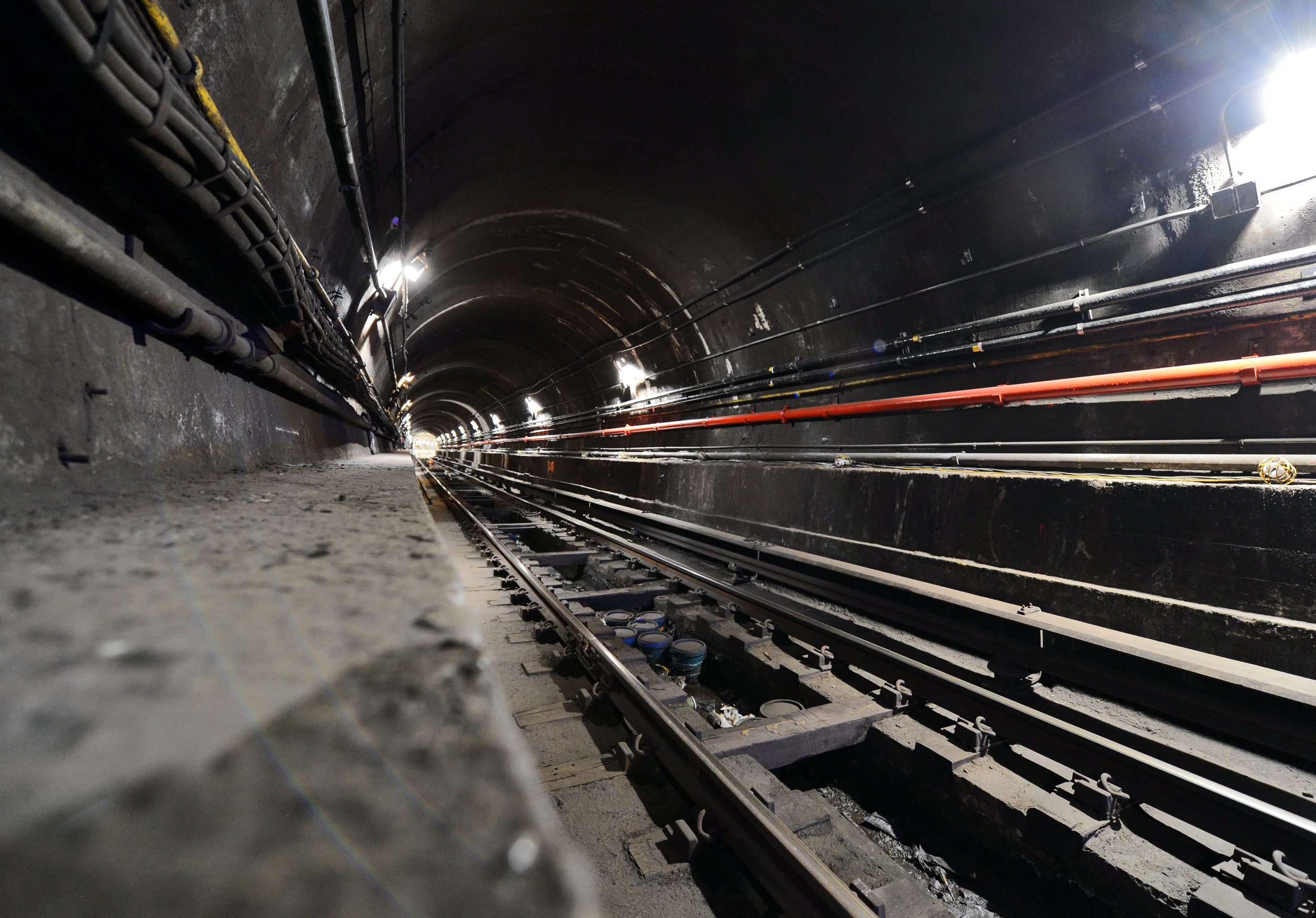
Severe thunderstorms caused flash flooding that submerged streets and disrupted subway lines across New York City on May 20, 2024 [2].
The event highlights the city's vulnerability to sudden, intense weather patterns that can quickly overwhelm urban drainage systems and transit infrastructure.
Rainfall hit the region on Wednesday evening, causing significant disruptions for pedestrians and motorists [2]. In Brooklyn, neighborhoods including Bushwick saw severe impacts, with Wilson Avenue becoming submerged under floodwaters [1]. The storm left a trail of debris and downed trees, creating hazardous conditions for those attempting to navigate the city [1].
Motorists were stranded in several areas as water levels rose rapidly, making many roads impassable [3]. Residents in Brooklyn were filmed navigating deep floodwaters to reach safety or return home [3]. The intensity of the weather system also affected the city's transit network, leaving several subway lines disrupted [2].
The storms followed a period of high heat. Temperatures earlier that day reached 93°F [2]. This temperature spike preceded the severe thunderstorms that brought the flash floods to the metropolitan area [2].
Emergency responses focused on clearing debris and managing the stranded drivers caught in the rising waters [1]. The combination of high heat and sudden, heavy precipitation created a volatile environment that paralyzed several key corridors in Brooklyn [3].
“Severe thunderstorms caused flash flooding that submerged streets and disrupted subway lines”
This event underscores the increasing frequency of 'flash' weather events in urban environments, where extreme heat followed by intense precipitation can lead to immediate infrastructure failure. The submerging of major thoroughfares like Wilson Avenue suggests that current drainage capacities in Brooklyn may be insufficient for the volume of water produced by these severe thunderstorms.