
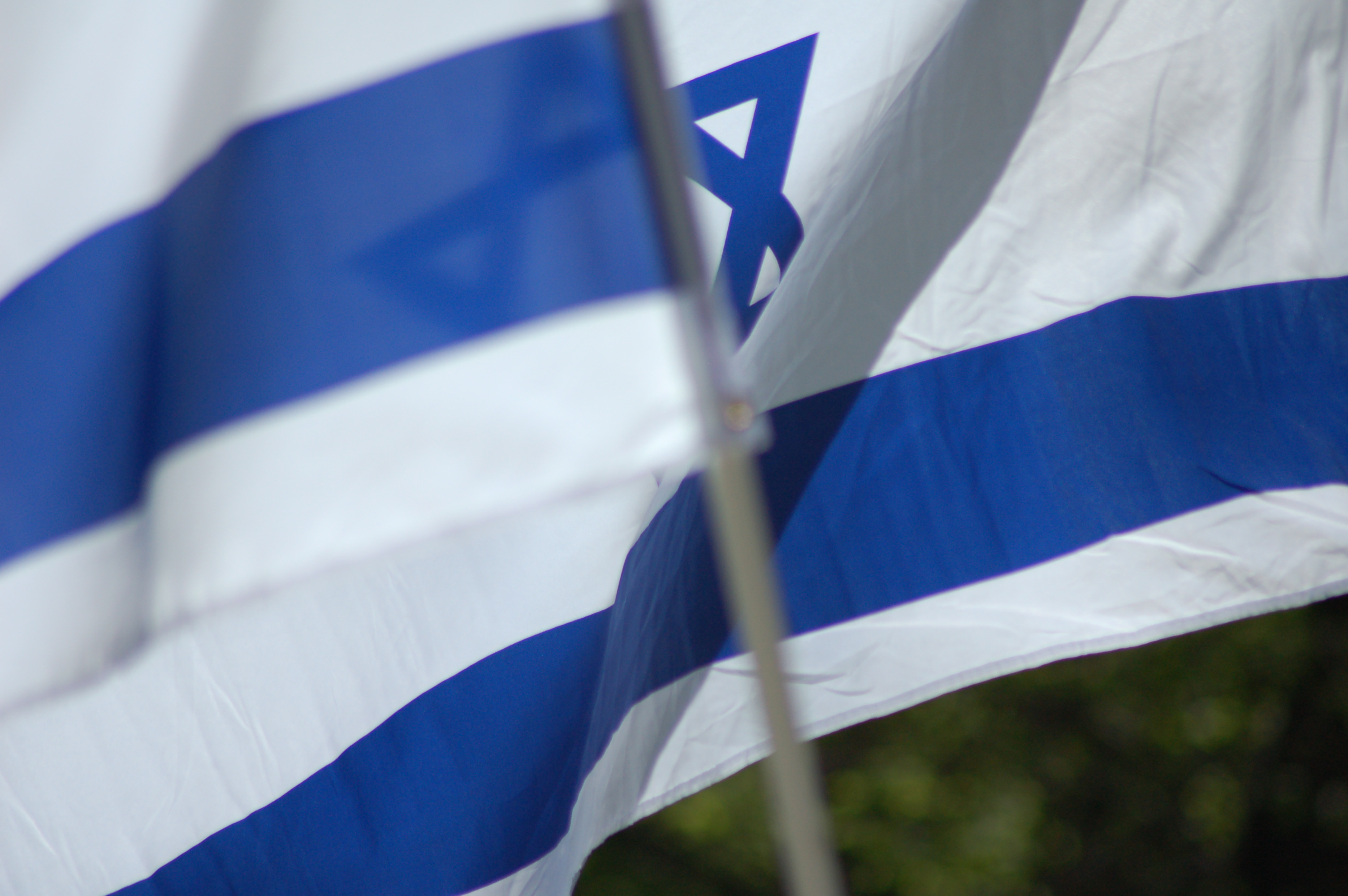
Mayor Zohran Mamdani declined to attend the annual Israel Day on Fifth parade in New York City, breaking a long-standing municipal tradition.
The decision marks a significant departure from historical precedent for the city's executive office. Because the event serves as a high-profile diplomatic and cultural gathering, the mayor's absence signals a shift in how the city administration engages with the Israel-Gaza conflict.
Mamdani is the first sitting NYC mayor in more than six decades to miss the parade [1]. The event, held on Fifth Avenue, has seen consistent mayoral participation for 62 years [1].
The mayor said rising concerns over antisemitism and the ongoing Israel-Gaza conflict were the primary reasons for his decision [1]. By choosing not to participate, Mamdani has distanced the mayor's office from the celebration during a period of heightened geopolitical tension.
Critics of the move said his absence sent the wrong message regarding the city's relationship with the Jewish community and its allies [1]. These critics argue that the mayoral presence at the parade is a necessary gesture of solidarity and stability.
Despite the pushback, the mayor's office said the decision was based on the current climate of the conflict [1]. The parade continued as scheduled, though the lack of a mayoral representative remained a central point of discussion among attendees and observers on Fifth Avenue.
“Mayor Zohran Mamdani declined to attend the annual Israel Day on Fifth parade”
The breach of a 62-year tradition suggests a pivot in New York City's diplomatic approach toward the Middle East. By prioritizing the concerns of the Israel-Gaza conflict over historical protocol, the administration is acknowledging the deep polarization within the city's diverse constituency, potentially signaling a more critical stance toward the Israeli government than previous mayoral administrations.


