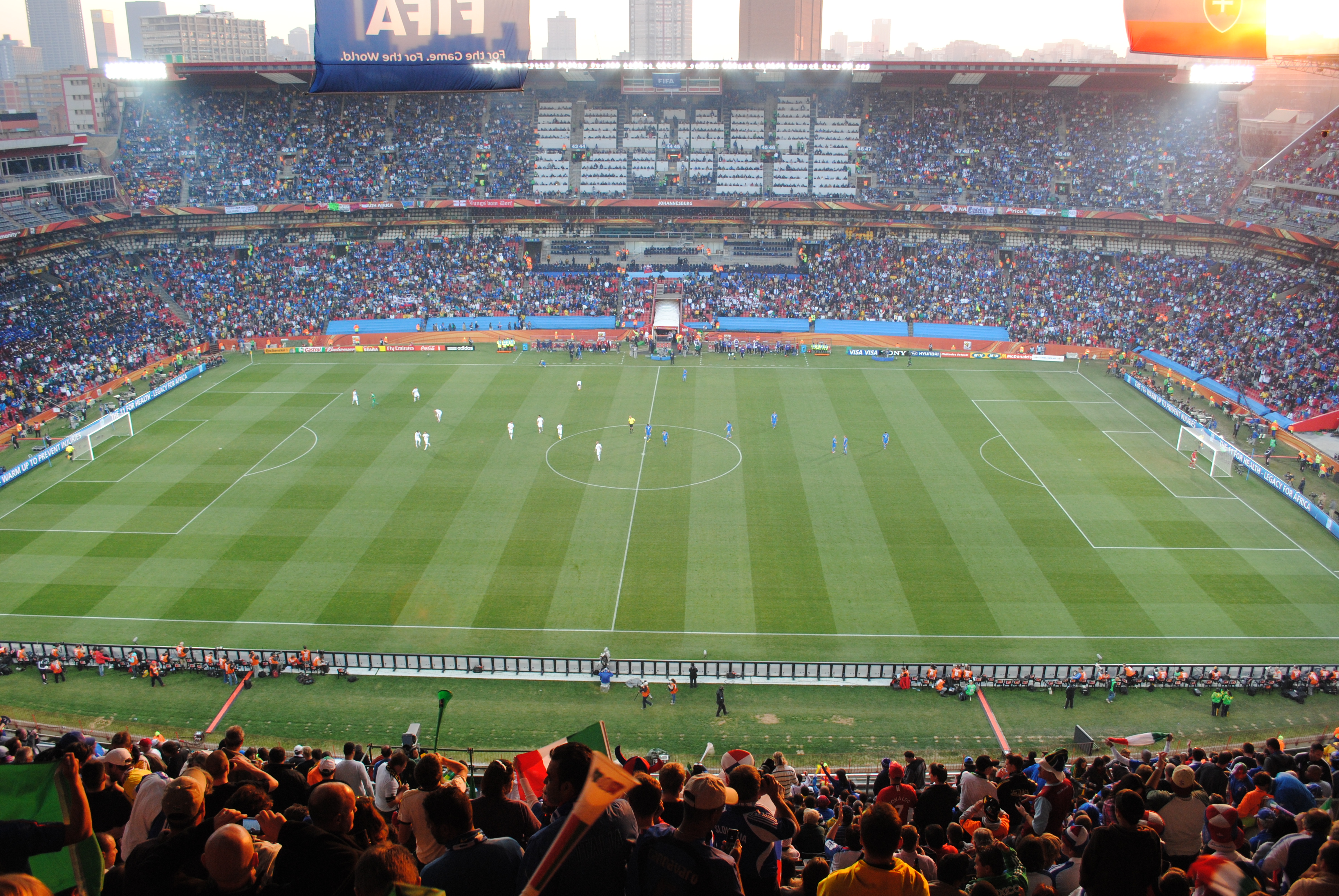
Miguel Salazar of the New York Times Books Review recommended three books to help readers understand the history of the FIFA World Cup [1].
These recommendations provide a framework for understanding how the tournament evolved from a sporting event into a global cultural phenomenon. As the world focuses on the current competition, these texts offer a deeper look at the geopolitical and social forces that shape the game.
Salazar said the recommendations on July 6, 2026 [2]. The curated list aims to bridge the gap between casual viewership and a comprehensive understanding of the tournament's legacy. By selecting only three titles [1], the review provides a streamlined entry point for those unfamiliar with soccer's complex historical narrative.
The review emphasizes the historical and cultural significance of the event [3]. It suggests that the World Cup is not merely about the matches played on the pitch, but also about the national identities and global tensions that emerge during the competition.
Each of the selected books explores different facets of the tournament's growth. The guide serves as a resource for fans who want to move beyond the scoreboards to understand the systemic influences of FIFA, and the evolution of the sport across different continents [3].
Salazar said the goal was to help readers grasp the broader context of the tournament [3]. The selection process focused on titles that provide a balance of factual history and cultural analysis, ensuring that readers gain a multifaceted perspective on the world's most popular sport.
“Three books to help readers understand the history of the FIFA World Cup.”
This curation reflects a growing trend in sports media toward 'literary contextualization,' where major athletic events are treated as historical markers rather than just games. By linking the World Cup to specific academic and narrative texts, the review underscores the tournament's role as a mirror for global politics and national identity.


