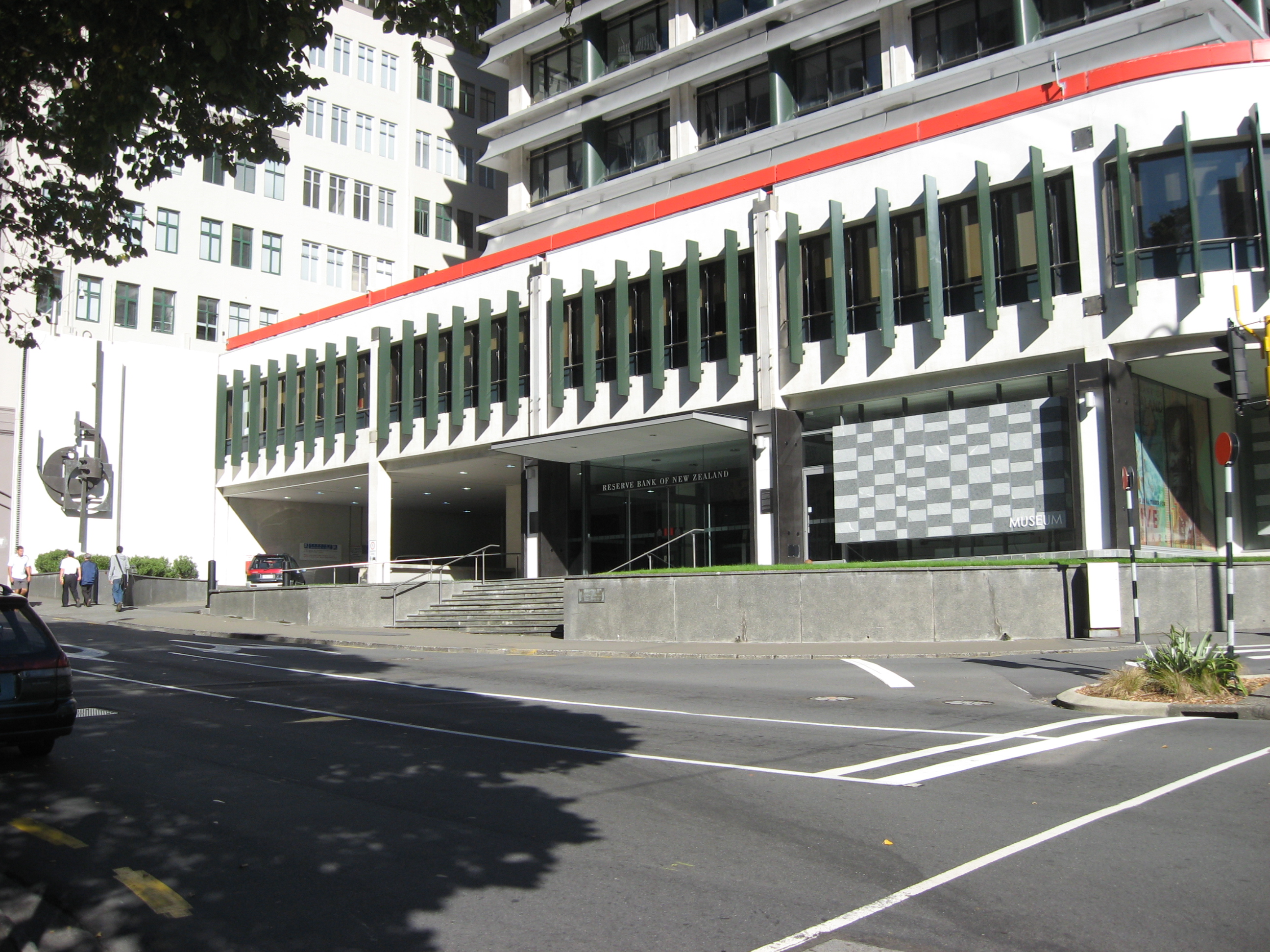
The Reserve Bank of New Zealand increased the Official Cash Rate to 2.5% on Wednesday to combat persistent inflation [1].
This monetary tightening aims to stabilize the economy by curbing rising prices, though it often increases borrowing costs for households and businesses. The timing of the hike coincides with volatility in the domestic equity market as investors react to changing interest rate expectations.
The S&P/NZX 50 Index experienced an initial decline following the announcement but managed to pare those losses by the market close [1]. This recovery suggests that investors may have already priced in a rate hike or viewed the specific 2.5% [1] target as a manageable step toward price stability.
Central banks typically use the Official Cash Rate as a primary tool to influence inflation. By raising the rate, the bank makes borrowing more expensive, which slows spending and helps lower the rate of price increases across the economy [1].
Market analysts said that the sharemarket's ability to recover some of its losses indicates a level of resilience despite the tighter monetary environment. The interaction between the Reserve Bank's policy and the S&P/NZX 50 Index reflects the ongoing tension between controlling inflation and maintaining economic growth [1].
“The Reserve Bank increased the Official Cash Rate to 2.5%”
The decision to raise the Official Cash Rate to 2.5% signals that the Reserve Bank of New Zealand remains committed to aggressive inflation targeting. While the sharemarket's recovery suggests short-term investor confidence, sustained higher rates typically pressure corporate valuations and consumer spending, potentially slowing overall economic expansion in the coming quarters.


