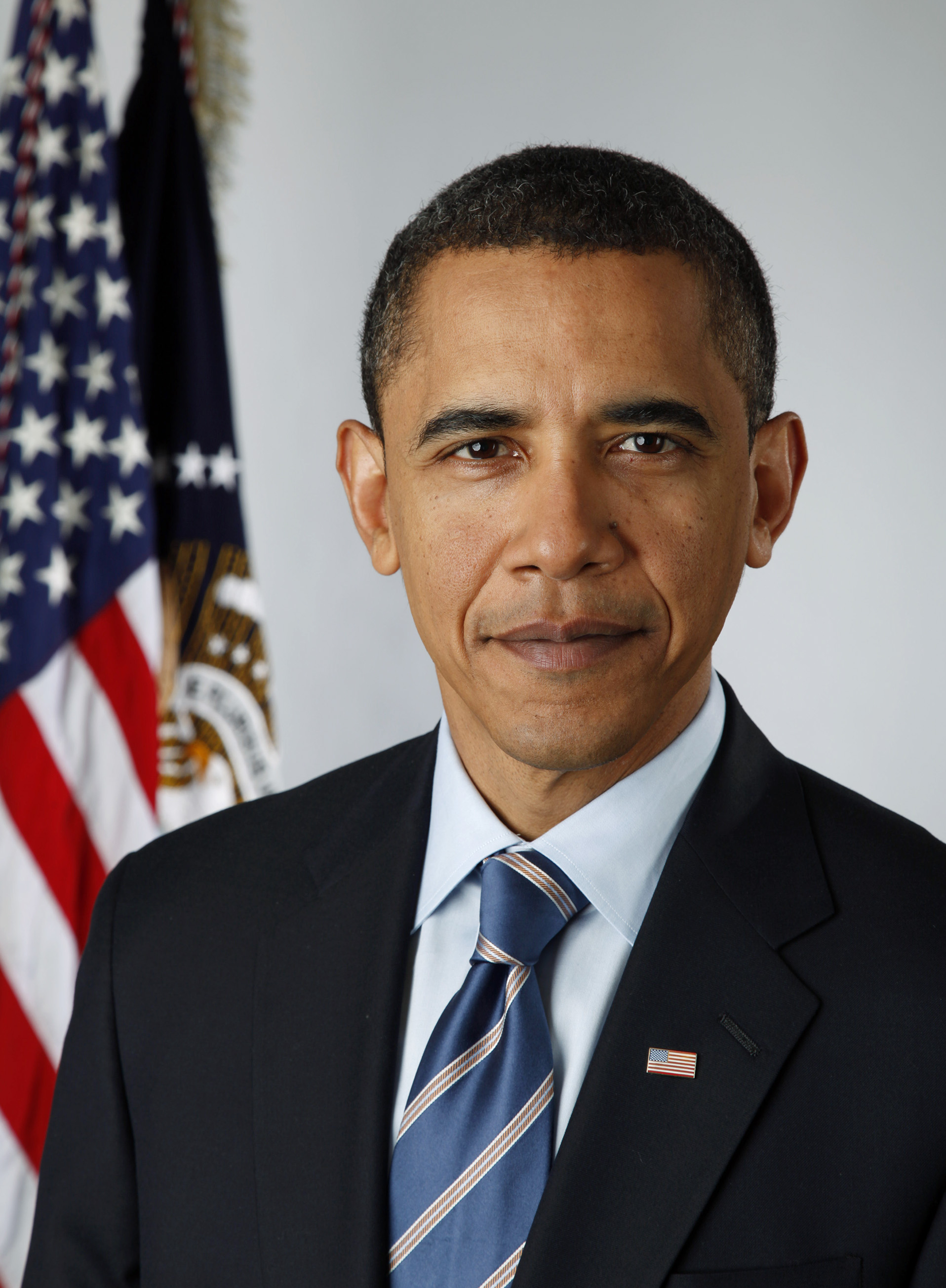
Former President Barack Obama said that understanding the complexities and contradictions of the U.S. makes a person love the country more [1].
His comments address the tension between national pride and historical critique. By framing criticism as a component of patriotism, Obama seeks to counter narratives that view the U.S. through a singular lens of failure or success.
Speaking during a special interview titled "Hope Comes Home: Inside the Obama Presidential Center" on June 17, 2026, Obama said he discussed the nature of American identity [2]. The interview was filmed at the Obama Presidential Center in Chicago [2].
Obama pushed back against the idea that the history of the U.S. is exclusively a story of marginalization. "We have to reject the belief that the only true narrative of America is one of oppression and exclusion," Obama said [3].
He argued that acknowledging the flaws of the nation does not diminish a citizen's loyalty. Instead, he suggested that the process of recognizing those contradictions strengthens the bond between the individual and the state. "I think when you understand the complexities of America and the contradictions of America, I don't think it makes you love it less; I think it makes you love it more," Obama said [1].
This perspective positions the act of critique as an essential part of the democratic process. Obama said that criticizing America is not an unpatriotic act, but it is a part of loving the country [4].
The remarks come as part of a broader effort to encourage a more nuanced view of patriotism. By rejecting a purely oppressive narrative, Obama suggests that the U.S. can be both a flawed entity and a source of pride simultaneously.
“"I think when you understand the complexities of America and the contradictions of America... it makes you love it more."”
Obama's statements attempt to bridge the ideological divide between traditional patriotism and critical historical analysis. By arguing that love for the country is deepened through the recognition of its contradictions, he challenges the binary view that one must either blindly praise the nation or view its history as entirely oppressive.


