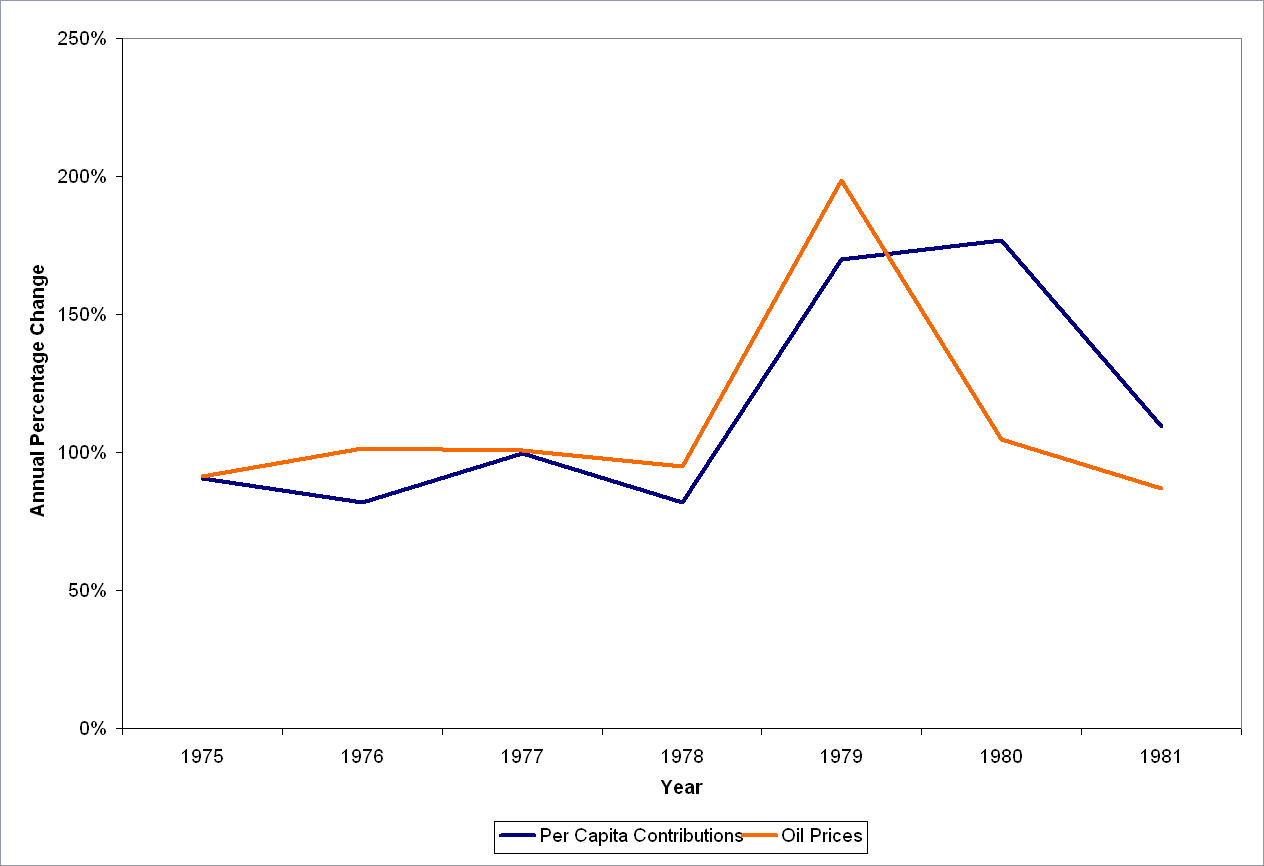
Rising oil prices could increase the cost of a widely used HIV medicine, according to an analysis by Unitaid [1].
This connection between energy markets and pharmaceutical pricing highlights a critical vulnerability in global health supply chains. Because many medicines rely on petrochemicals for their active ingredients and production processes, fluctuations in the oil market can directly impact the affordability of life-saving treatments.
Unitaid conducted the analysis to understand how fossil fuel costs influence the pricing of essential medications [1]. The organization said that "rising oil prices could boost the cost of a widely used HIV medicine" [1]. This volatility creates uncertainty for health systems that operate on strict budgets and rely on stable pricing to maintain patient access to care.
Experts said that the pharmaceutical industry remains heavily dependent on fossil fuels for both the raw materials used in synthesis and the energy required for manufacturing. This reliance means that geopolitical instability or shifts in energy demand can lead to price hikes for medications that millions of people depend on daily.
The findings emphasize a need for the industry to explore alternative production methods. Reducing the dependence on petroleum-based precursors could shield essential medicines from the swings of the global oil market, ensuring that treatment remains accessible regardless of energy price spikes.
Unitaid's focus on this issue underscores the intersection of climate policy, energy economics, and public health [1]. By identifying these specific cost drivers, the organization aims to prompt a shift toward more sustainable and price-stable manufacturing practices.
“Rising oil prices could boost the cost of a widely used HIV medicine”
The link between crude oil prices and drug costs reveals that pharmaceutical stability is tied to fossil fuel markets. For global health initiatives, this means that energy inflation is not just an economic issue but a public health risk that could limit the scale of HIV treatment programs in low-income regions.


