Oil prices may remain elevated even if the Strait of Hormuz reopens following a two-week cease-fire [2] between the U.S. and Iran.
This stability at higher price points matters because it suggests that geopolitical resolutions may not immediately lower energy costs for consumers or global markets. While some reports noted a major fall in prices immediately after the cease-fire confirmation [2], long-term analysts suggest a different trend.
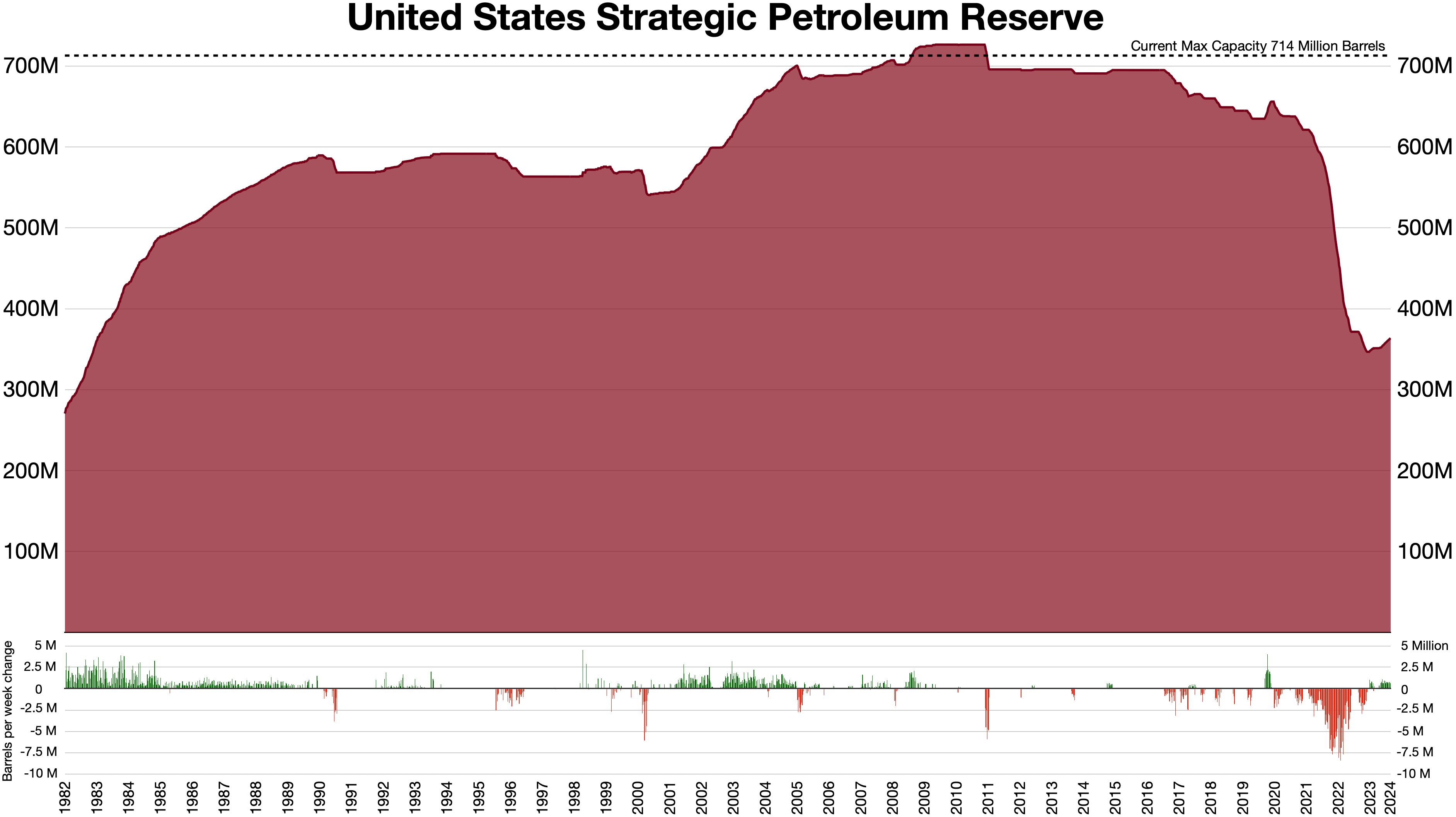
Goldman Sachs analysts and other market observers said that several factors are keeping the supply tight [1]. One primary driver is the lingering damage to oil infrastructure, which prevents a rapid return to full production capacity [1]. Additionally, nations are facing the necessity of refilling strategic oil reserves that were depleted during the period of instability [1].
Market observers said potential new costs for shipping could be a factor. Tankers facing potential crossing fees in the Strait of Hormuz could further inflate the cost of transporting crude [3]. These combined pressures create a floor for pricing regardless of the diplomatic status of the region.
Because of these factors, some analysts said oil prices could stay above $85 per barrel [4]. This threshold persists even if the conflict ends and the critical waterway is fully reopened to commercial traffic [4]. The impact is expected to be felt most acutely in Europe, and other regions heavily dependent on the stability of the Hormuz shipping lanes [5].
Investors remain cautious about taking firm positions on oil data as these variables evolve [3]. The tension between immediate price drops and long-term structural deficits continues to define the current market outlook.
“Oil prices may remain elevated even if the Strait of Hormuz reopens”
The persistence of high oil prices despite a diplomatic cease-fire indicates that the global energy market is reacting to structural damage rather than just political volatility. If infrastructure repair lags and strategic reserves remain low, the 'risk premium' usually associated with war may be replaced by a 'recovery premium,' keeping inflation pressures high for energy-importing nations.