Crude oil prices rose about four percent [1] in early trading Sunday, June 2, 2026, following renewed military hostilities between the U.S. and Iran [2].
The price spike reflects investor anxiety over the stability of global energy supplies. Because a significant portion of the world's oil passes through the Persian Gulf, any conflict in the region threatens to create immediate shortages and drive up costs for consumers globally.
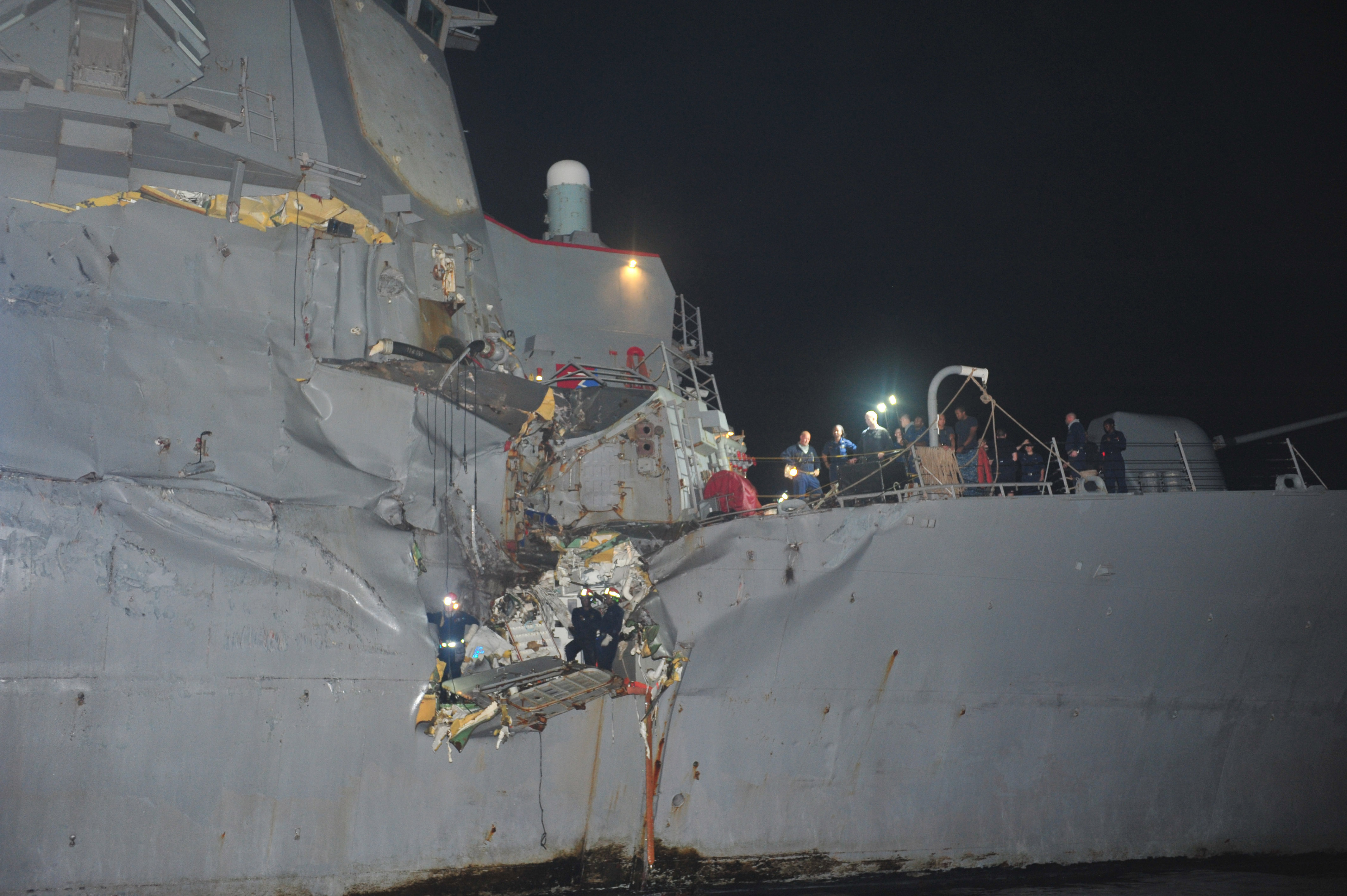
The market volatility followed a series of escalations in which the U.S. carried out strikes on Iranian military targets [1]. Iran responded by firing at commercial vessels in the Strait of Hormuz [2]. These actions have effectively created a standoff that has prevented some tankers from using the strategic waterway [2].
"The market is reacting to the renewed risk of supply disruptions in the Strait of Hormuz," John Smith, a senior energy analyst at Bloomberg, said [1].
Analysts noted that the price movement occurred during early Asian and European trading hours [2]. While some financial indicators showed stock futures declining amid the tensions, the commodity market reacted with a sharp increase in crude costs [1], [2].
The Strait of Hormuz remains one of the most critical chokepoints in the global economy. The threat of prolonged Iranian interference with commercial shipping, combined with active U.S. military engagement, has pushed traders to hedge against the possibility of a total blockade [1].
“Crude oil prices rose about 4 percent”
The immediate rise in oil prices demonstrates how geopolitical instability in the Persian Gulf can instantly translate into global economic pressure. By targeting commercial vessels and military installations, both nations have increased the 'risk premium' of oil, meaning prices will likely remain volatile as long as the Strait of Hormuz is perceived as a combat zone rather than a secure trade route.

'%2F%3E%0A%20%20%20%20%3Crect%20width%3D'1600'%20height%3D'900'%20fill%3D'url(%23v)'%2F%3E%0A%20%20%20%20%3Cg%20opacity%3D'0.08'%20fill%3D'%23ffffff'%3E%0A%20%20%20%20%20%20%3Ccircle%20cx%3D'1420'%20cy%3D'180'%20r%3D'220'%2F%3E%0A%20%20%20%20%20%20%3Ccircle%20cx%3D'1500'%20cy%3D'760'%20r%3D'120'%2F%3E%0A%20%20%20%20%3C%2Fg%3E%0A%20%20%20%20%3Cline%20x1%3D'80'%20y1%3D'172'%20x2%3D'220'%20y2%3D'172'%20stroke%3D'%23ffffff'%20stroke-width%3D'3'%20stroke-opacity%3D'0.6'%2F%3E%0A%20%20%20%20%3Ctext%20x%3D'80'%20y%3D'140'%20font-family%3D'Inter%2C%20-apple-system%2C%20Helvetica%2C%20sans-serif'%20font-weight%3D'700'%20font-size%3D'28'%20fill%3D'%23ffffff'%20letter-spacing%3D'6'%3EHANNA%20%C2%B7%20NEWS%3C%2Ftext%3E%0A%20%20%20%20%3Ctext%20x%3D'80'%20y%3D'230'%20font-family%3D'Inter%2C%20-apple-system%2C%20Helvetica%2C%20sans-serif'%20font-weight%3D'600'%20font-size%3D'40'%20fill%3D'%23ffffffb3'%20letter-spacing%3D'4'%3EWORLD%3C%2Ftext%3E%0A%20%20%20%20%3Ctext%20x%3D'80'%20y%3D'622'%20font-family%3D'Playfair%20Display%2C%20Georgia%2C%20serif'%20font-weight%3D'800'%20font-size%3D'86'%20fill%3D'%23ffffff'%20letter-spacing%3D'-1'%3EMicrobursts%20Topple%20Trees%3C%2Ftext%3E%3Ctext%20x%3D'80'%20y%3D'721'%20font-family%3D'Playfair%20Display%2C%20Georgia%2C%20serif'%20font-weight%3D'800'%20font-size%3D'86'%20fill%3D'%23ffffff'%20letter-spacing%3D'-1'%3EOnto%20Homes%20and%20Roads%20in%3C%2Ftext%3E%3Ctext%20x%3D'80'%20y%3D'820'%20font-family%3D'Playfair%20Display%2C%20Georgia%2C%20serif'%20font-weight%3D'800'%20font-size%3D'86'%20fill%3D'%23ffffff'%20letter-spacing%3D'-1'%3EPhiladelphia%3C%2Ftext%3E%0A%20%20%20%20%3Ctext%20x%3D'80'%20y%3D'870'%20font-family%3D'Inter%2C%20-apple-system%2C%20Helvetica%2C%20sans-serif'%20font-weight%3D'500'%20font-size%3D'22'%20fill%3D'%23ffffff66'%20letter-spacing%3D'2'%3Enews.hanna-ai.com%3C%2Ftext%3E%0A%20%20%3C%2Fsvg%3E)
