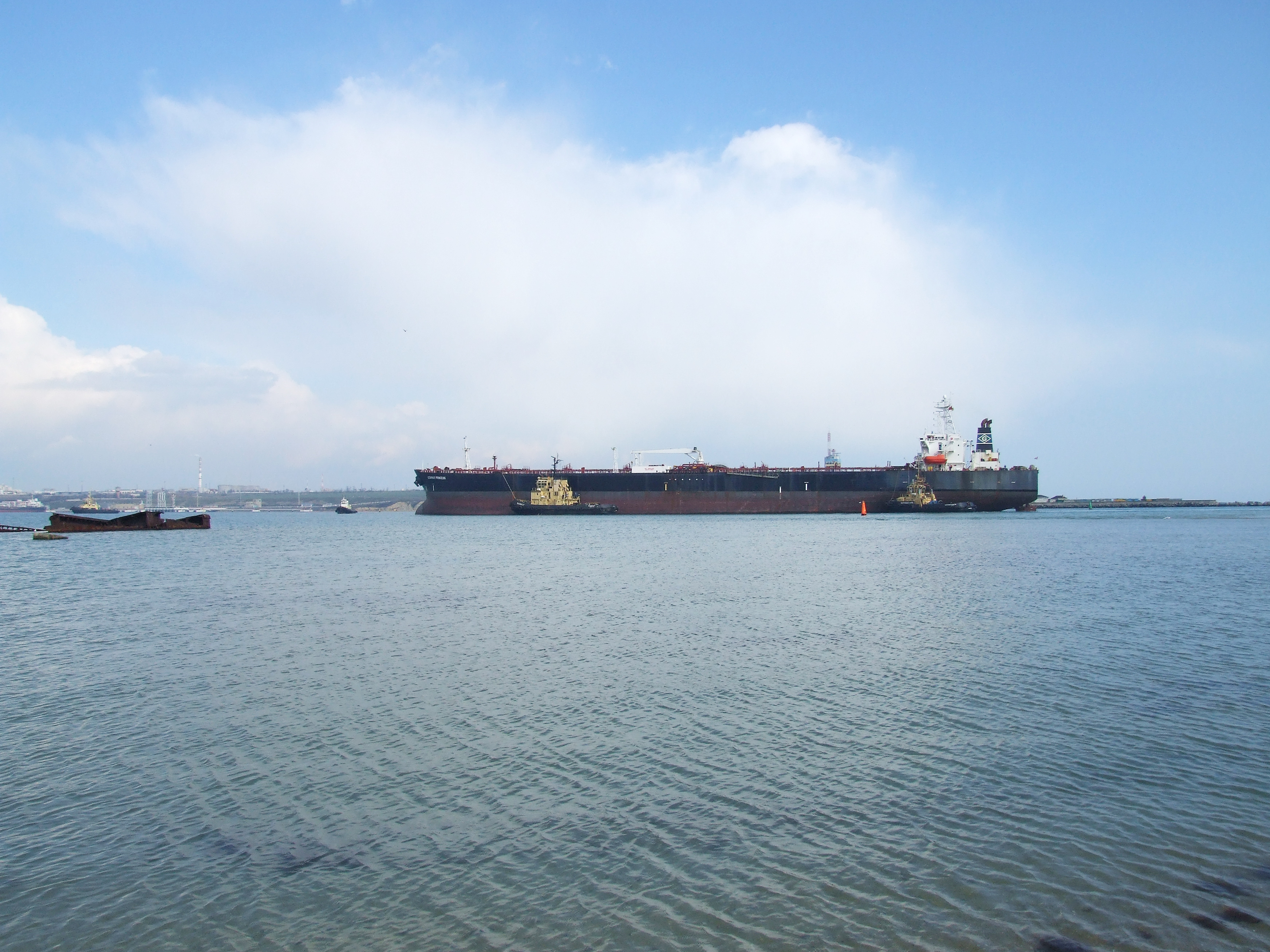
The Malta-flagged oil tanker Odessa has arrived at the port city of Seosan on South Korea’s west coast [1].
The arrival marks the first time a vessel has successfully delivered crude oil to the country after transiting the Strait of Hormuz while Iran maintains a blockade [1], [2]. This movement tests the viability of energy corridors during periods of heightened regional tension.
The vessel was transporting approximately 1 million barrels of crude oil [1]. The journey through the strait is a critical link for global energy markets, as the narrow waterway serves as a primary exit point for oil exports from the Persian Gulf.
Reports regarding the exact timing of the tanker's arrival vary between sources. One report said the arrival was in mid-April 2024 [2], while another said the vessel reached the port on May 8, 2024 [3].
The successful transit of the Odessa suggests that some commercial shipping may continue despite the risks posed by the blockade. The vessel's arrival in Seosan provides a tangible example of the logistical challenges, and potential breakthroughs, in maintaining oil flow to East Asian markets.
South Korea relies heavily on imported energy, making the stability of the Strait of Hormuz a primary national security concern. The delivery of 1 million barrels [1] represents a significant shipment of resources that bypasses the constraints of the current blockade.
“The Malta-flagged vessel Odessa is the first to deliver crude oil to South Korea amid an Iranian blockade.”
The successful arrival of the Odessa indicates that the Iranian blockade of the Strait of Hormuz may not be absolute, potentially emboldening other commercial shippers. However, the discrepancy in arrival dates suggests a lack of real-time transparency in shipping movements during the blockade, highlighting the volatility and uncertainty currently defining maritime trade in the region.


