
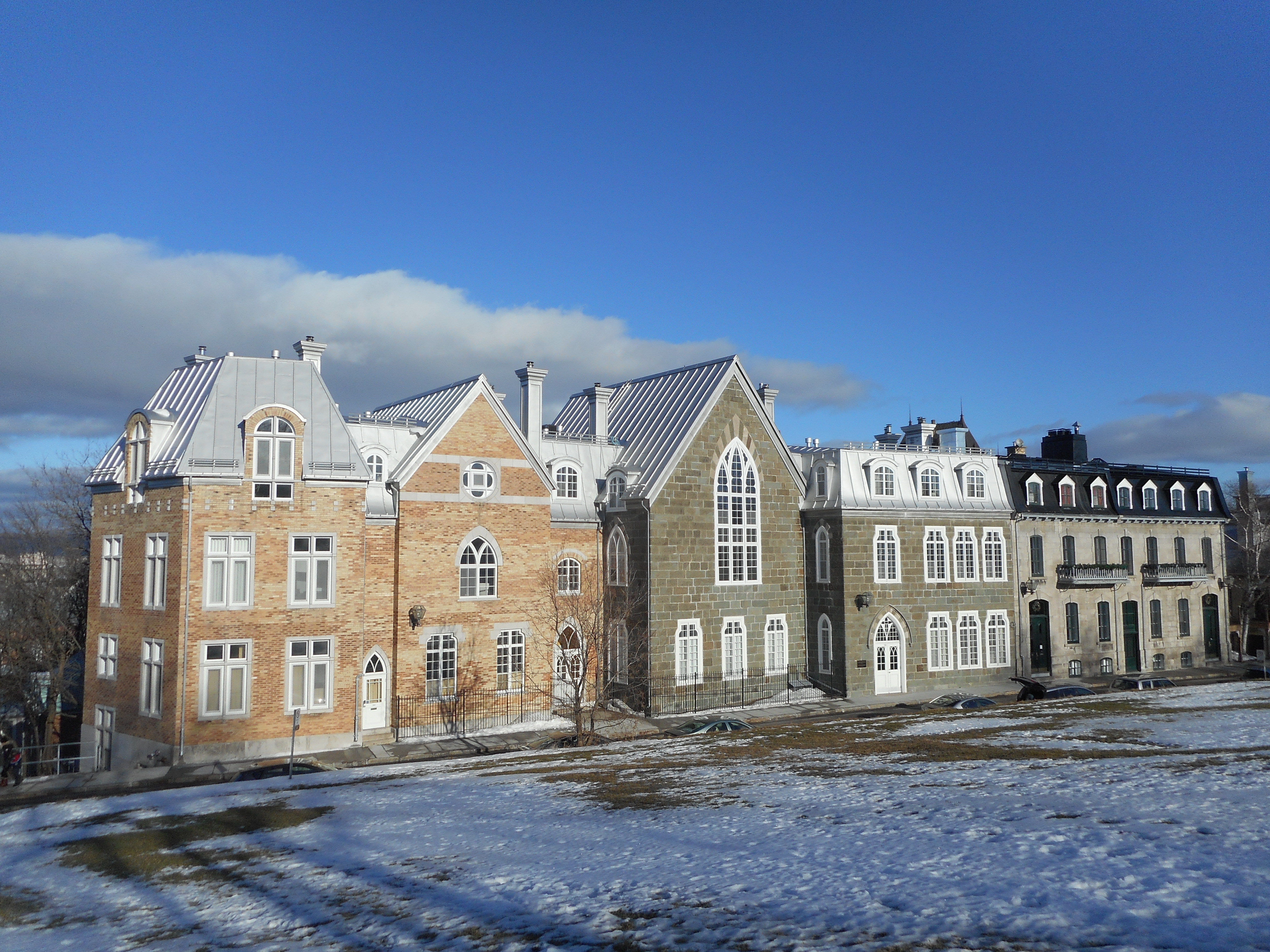
Residents of the Vieux-Québec neighbourhood are criticizing a permanent solar-panel module installed near Avenue Saint-Denis [1].
The dispute highlights the tension between modern green energy initiatives and the preservation of historic urban landscapes. In a district known for its strict architectural heritage, the introduction of industrial-scale equipment can spark significant community backlash.
Neighbouring residents said the installation is unreasonable due to its large dimensions [1, 2]. They said the size of the module is disruptive to the historic streetscape of the area [1, 2].
Beyond the visual impact, the complaints center on the acoustic environment of the neighbourhood. Residents said the housing for the solar panel generates noise that affects their quality of life [1, 2].
Local officials have been alerted to the concerns regarding the installation on Avenue Saint-Denis [1, 2]. The residents said the physical footprint and the auditory disturbances created by the enclosure are incompatible with the character of Old Quebec [1, 2].
While the specific technical specifications of the module were not detailed in the reports, the community response indicates a perceived lack of harmony between the utility of the solar energy project and the residential experience [1, 2].
“The installation is unreasonable due to its large dimensions.”
This conflict underscores the logistical challenges of implementing renewable energy in UNESCO-recognized or historic districts. When aesthetic preservation laws clash with environmental goals, the result is often a stalemate over 'reasonable' design, suggesting that future urban green projects will require more integrated architectural planning to avoid community opposition.


