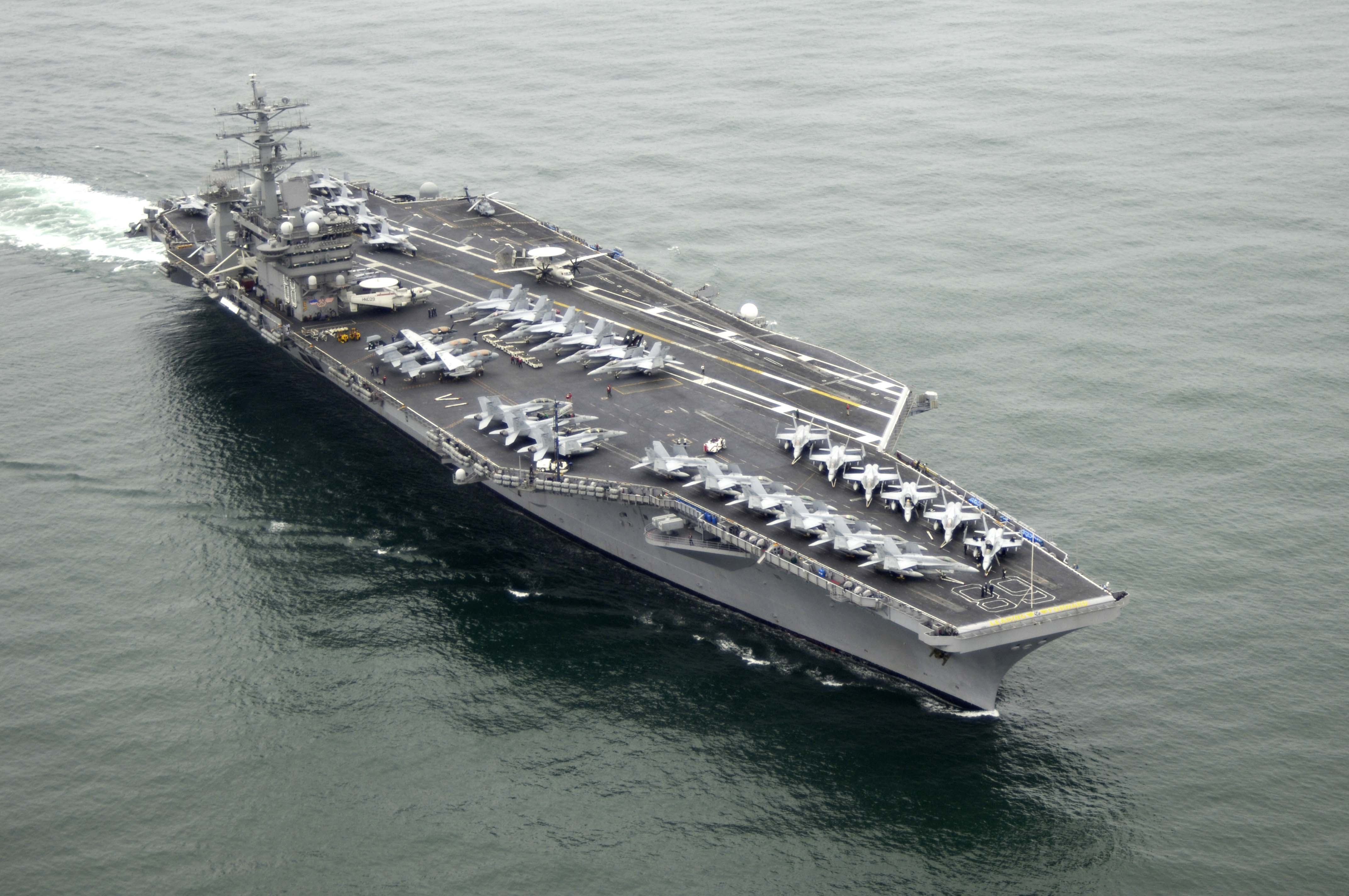
A video shared online claiming to show a U.S. naval blockade of Iran actually originates from May 2022, before recent peace talks.
The misrepresentation fuels tensions in the strategically vital Strait of Hormuz and misleads audiences about U.S.-Iran relations.
CBC News said the clip was first posted to a social platform in May 2022, showing ships maneuvering during a routine exercise [1].
PBS NewsHour said the U.S. had begun a naval blockade of Iranian ports after peace talks failed, using the same footage to illustrate the claim [2]. Fact‑checkers compared the two reports and found the footage predates the alleged blockade, confirming the PBS claim was unsubstantiated.
Tribune Pakistan said the original context of the video could not be determined, but its upload date places it in 2022, well before any recent U.S. operation [3]. MSN’s fact‑check said this conclusion, labeling the video as old and unrelated to any blockade [4].
Social media users circulated the clip with captions suggesting a sudden U.S. response, potentially inflaming public opinion in the region.
The Strait of Hormuz, a critical maritime chokepoint, remains a flashpoint for U.S.-Iran rivalry — a mischaracterized video can heighten diplomatic strains.
Multiple fact‑checking organizations cross‑referenced the upload timestamp, vessel identifiers, and open‑source satellite imagery, concluding the video shows no blockade activity.
“The video dates back to May 2022, predating any recent U.S.–Iran negotiations.”
When outdated footage is presented as a current military action, it can distort public understanding and amplify geopolitical anxieties. Accurate verification helps prevent false narratives from shaping policy debates or escalating diplomatic friction, underscoring the need for rigorous fact‑checking in fast‑moving conflict zones.


