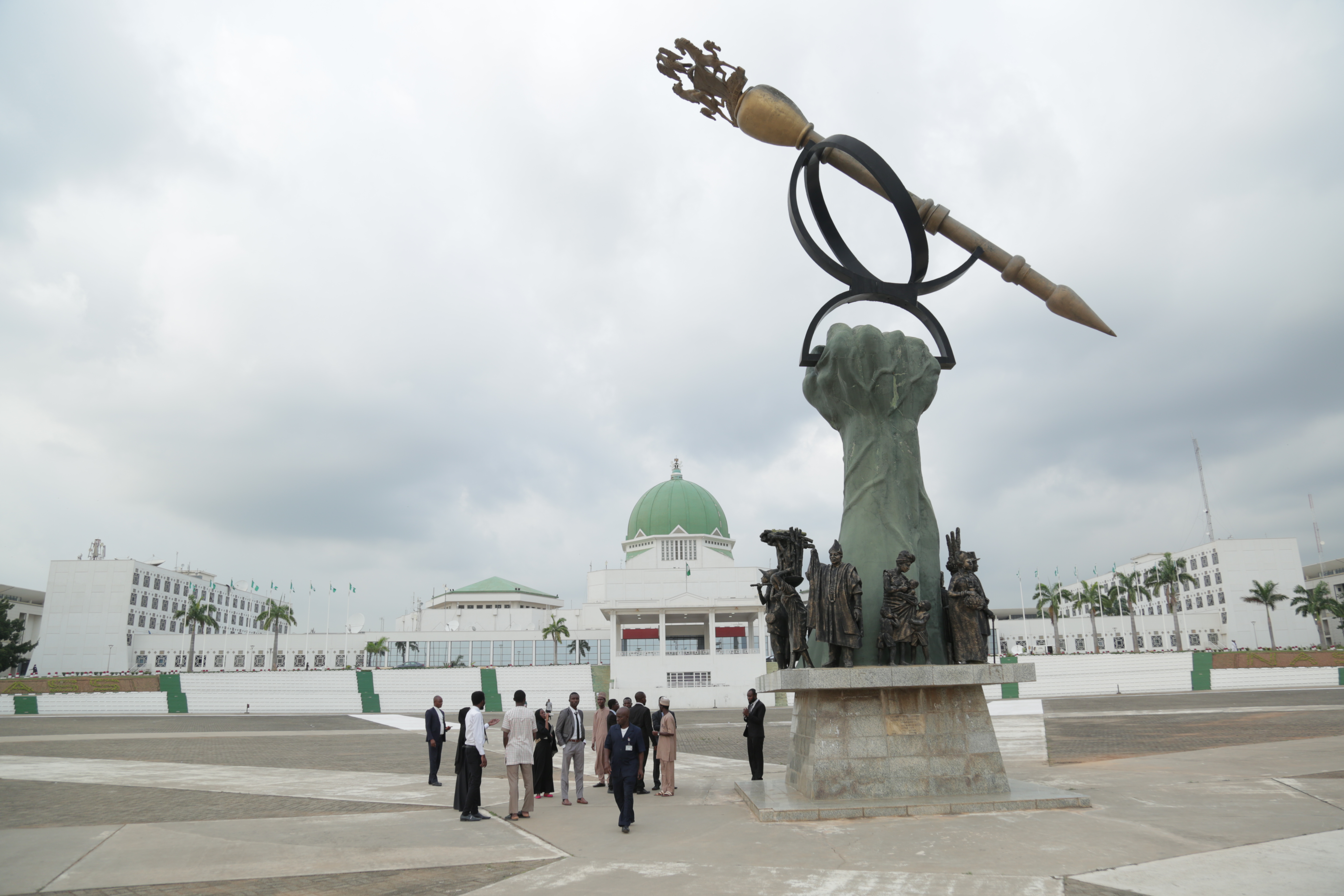
Niyi Akingunola, an African Democratic Congress candidate for the House of Representatives, said Ondo State faces a challenge of ineffective representation in the National Assembly [1].
This critique comes as political actors begin positioning themselves for the 2027 general elections [1]. The ability of a state to secure federal projects and resources often depends on the influence and competence of its representatives in the capital, making representation a central pillar of regional development.
Akingunola is contesting the seat for the Ondo East/Ondo West Federal Constituency [1]. He said the current lack of effective representation hinders the state's ability to attract the projects and resources necessary for growth [2].
The candidate called on voters to move away from traditional voting patterns and instead elect leaders based on their capacity to deliver results [1]. He said that competent leadership in the National Assembly is essential for the state to overcome its current developmental hurdles [2].
By highlighting these gaps, Akingunola is framing the upcoming election as a choice between continued stagnation and a new approach to legislative advocacy [1]. He said that the residents of the Ondo East/Ondo West Federal Constituency must prioritize candidates who can effectively navigate the federal legislative process [2].
This push for a shift in voter behavior is part of a broader campaign to emphasize merit over party loyalty as the 2027 [1] cycle approaches. The candidate said that the state cannot afford further ineffective representation if it hopes to improve its economic standing [1].
“Ondo State faces a challenge of ineffective representation in the National Assembly”
The focus on 'effective representation' reflects a common tension in Nigerian politics where voters must balance party affiliation against the tangible ability of a representative to lobby for federal funding. Akingunola's platform suggests that the Ondo East/Ondo West constituency perceives a gap between their legislative presence in the National Assembly and the actual delivery of infrastructure and resources to the state.


'%2F%3E%0A%20%20%20%20%3Crect%20width%3D'1600'%20height%3D'900'%20fill%3D'url(%23v)'%2F%3E%0A%20%20%20%20%3Cg%20opacity%3D'0.08'%20fill%3D'%23ffffff'%3E%0A%20%20%20%20%20%20%3Ccircle%20cx%3D'1420'%20cy%3D'180'%20r%3D'220'%2F%3E%0A%20%20%20%20%20%20%3Ccircle%20cx%3D'1500'%20cy%3D'760'%20r%3D'120'%2F%3E%0A%20%20%20%20%3C%2Fg%3E%0A%20%20%20%20%3Cline%20x1%3D'80'%20y1%3D'172'%20x2%3D'220'%20y2%3D'172'%20stroke%3D'%23ffffff'%20stroke-width%3D'3'%20stroke-opacity%3D'0.6'%2F%3E%0A%20%20%20%20%3Ctext%20x%3D'80'%20y%3D'140'%20font-family%3D'Inter%2C%20-apple-system%2C%20Helvetica%2C%20sans-serif'%20font-weight%3D'700'%20font-size%3D'28'%20fill%3D'%23ffffff'%20letter-spacing%3D'6'%3EHANNA%20%C2%B7%20NEWS%3C%2Ftext%3E%0A%20%20%20%20%3Ctext%20x%3D'80'%20y%3D'230'%20font-family%3D'Inter%2C%20-apple-system%2C%20Helvetica%2C%20sans-serif'%20font-weight%3D'600'%20font-size%3D'40'%20fill%3D'%23ffffffb3'%20letter-spacing%3D'4'%3EWORLD%3C%2Ftext%3E%0A%20%20%20%20%3Ctext%20x%3D'80'%20y%3D'622'%20font-family%3D'Playfair%20Display%2C%20Georgia%2C%20serif'%20font-weight%3D'800'%20font-size%3D'86'%20fill%3D'%23ffffff'%20letter-spacing%3D'-1'%3EBonnie%20Tyler%2C%20%26apos%3BTotal%3C%2Ftext%3E%3Ctext%20x%3D'80'%20y%3D'721'%20font-family%3D'Playfair%20Display%2C%20Georgia%2C%20serif'%20font-weight%3D'800'%20font-size%3D'86'%20fill%3D'%23ffffff'%20letter-spacing%3D'-1'%3EEclipse%20of%20the%20Heart%26apos%3B%3C%2Ftext%3E%3Ctext%20x%3D'80'%20y%3D'820'%20font-family%3D'Playfair%20Display%2C%20Georgia%2C%20serif'%20font-weight%3D'800'%20font-size%3D'86'%20fill%3D'%23ffffff'%20letter-spacing%3D'-1'%3Esinger%2C%20dies%20at%2075%3C%2Ftext%3E%0A%20%20%20%20%3Ctext%20x%3D'80'%20y%3D'870'%20font-family%3D'Inter%2C%20-apple-system%2C%20Helvetica%2C%20sans-serif'%20font-weight%3D'500'%20font-size%3D'22'%20fill%3D'%23ffffff66'%20letter-spacing%3D'2'%3Enews.hanna-ai.com%3C%2Ftext%3E%0A%20%20%3C%2Fsvg%3E)