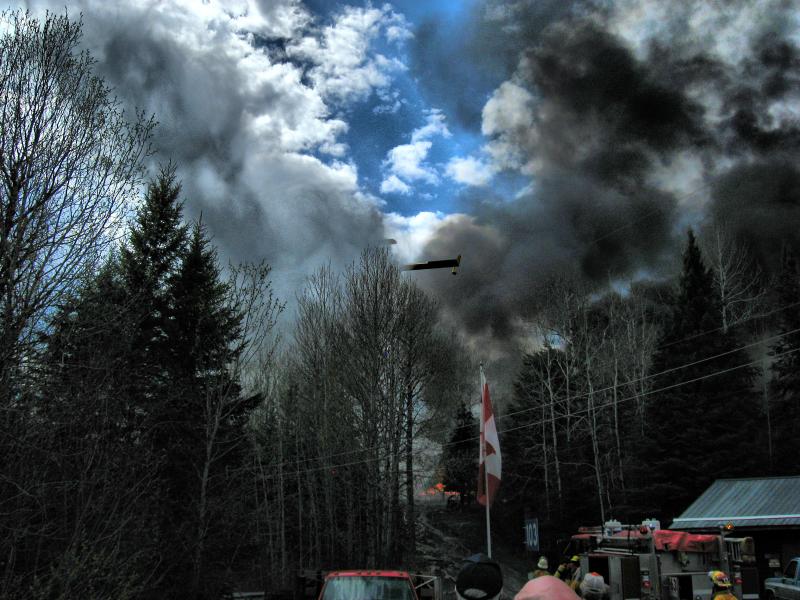
First Nations people from northwestern Ontario evacuated to Thunder Bay on July 16 [1] after wildfires consumed their homes.
The displacement highlights the increasing vulnerability of remote Indigenous communities to extreme weather events and the immediate pressure these disasters place on regional urban infrastructure.
Families fled their communities as fires destroyed residential structures across northwestern Ontario [1]. Many displaced residents arrived in Thunder Bay seeking safety and temporary shelter after losing their primary residences to the flames [2].
The environmental impact of the blazes extended beyond the immediate fire zones. Poor air quality resulting from the smoke prompted medical professionals to issue health warnings to the public [2]. Doctors said vulnerable populations should remain indoors to avoid respiratory distress [2].
These warnings followed a spike in medical emergencies in other parts of the province. Reports indicated an increase in cases of breathing difficulties at emergency rooms in Toronto [2]. The drift of smoke from northern fires often affects air quality in southern urban centers, creating a widespread public health challenge.
Local authorities in Thunder Bay continue to coordinate the arrival of displaced persons as the situation in northwestern Ontario remains volatile [1]. The scale of the destruction has left numerous families without permanent housing while the province manages the active fire fronts [2].
“First Nations people from northwestern Ontario evacuated to Thunder Bay on July 16 after wildfires consumed their homes.”
The simultaneous occurrence of mass evacuations in the north and respiratory crises in Toronto demonstrates how wildfires create a cascading crisis. This event underscores the systemic risk where environmental disasters in remote First Nations territories translate into immediate public health burdens for distant metropolitan areas, stressing both emergency housing and healthcare systems across the province.


