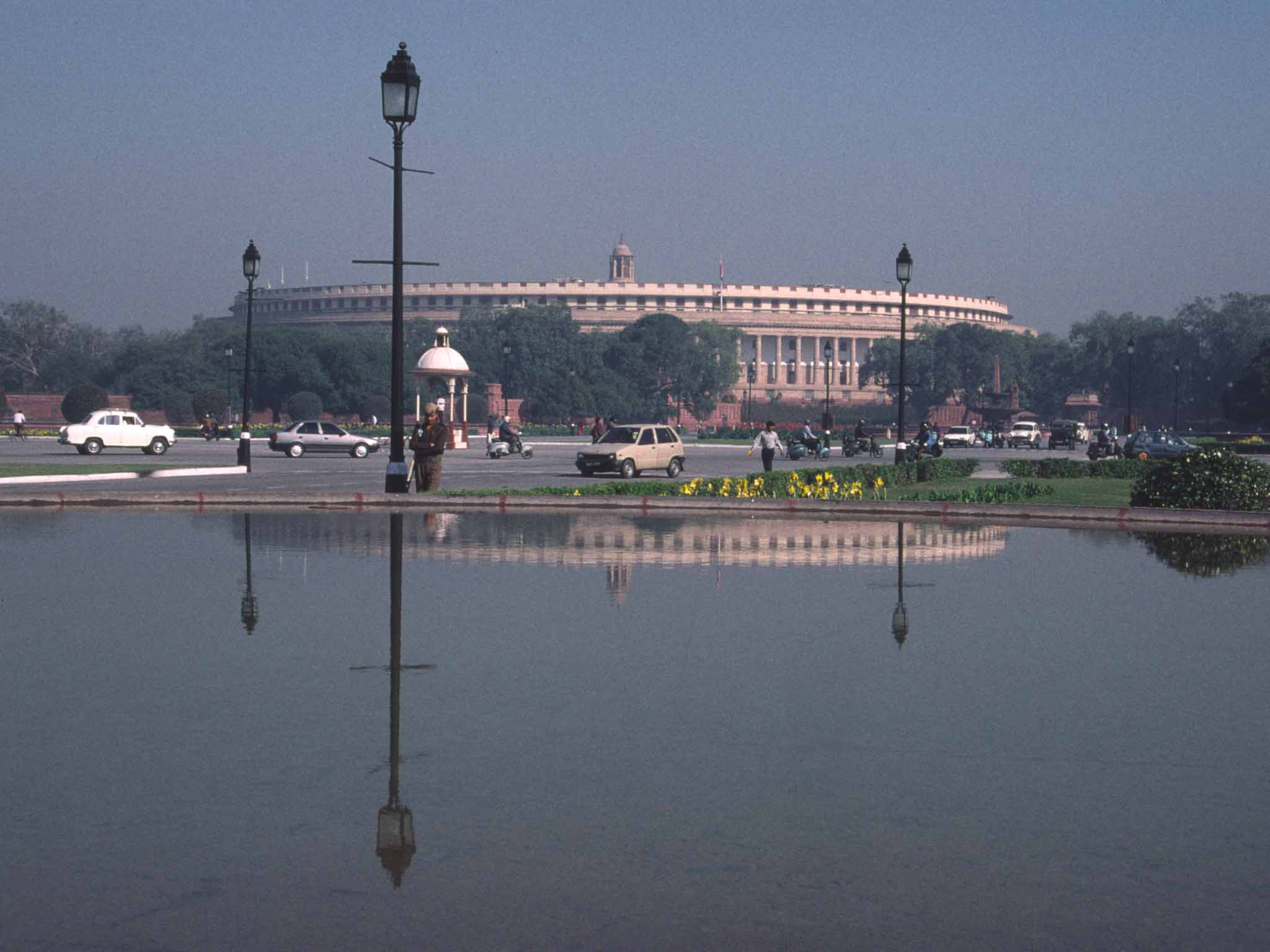
Opposition parties walked out of a government-convened all-party meeting in New Delhi on Sunday before the start of the 2026 Monsoon Session.
The walkout signals deepening fractures between the ruling government and the opposition bloc, as parties accuse the administration of attempting to destabilize opposition unity ahead of the legislative session.
An opposition bloc led by Trinamool Congress MP Mahua Moitra coordinated the protest. The group objected to the government's decision to invite a rebel faction of approximately 20 Trinamool Congress MPs [1] to the meeting. These members had broken away from the main party and are now operating under the NCPI banner [2].
Opposition leaders said the invitation was a strategic attempt to split the opposition. The meeting, hosted by Rajnath Singh, was intended to coordinate the agenda for the upcoming Parliament Monsoon Session, but the inclusion of the rebel faction sparked a confrontation.
Reports on the aftermath of the protest differ. One report said that the opposition parties walked out of the meeting entirely [3]. However, another account described the move as a symbolic protest where members made their point and then returned to join the proceedings [4].
The tension arrives as the Parliament prepares for its Monsoon Session, a period typically marked by intense debate over national policy and government accountability. The dispute over the rebel Trinamool faction highlights the volatile nature of party loyalty and coalition building within the Lok Sabha.
“Opposition parties walked out of a government-convened all-party meeting in New Delhi.”
This clash underscores a broader strategy of political fragmentation. By granting formal recognition or invitations to rebel factions, the government can weaken the cohesive bargaining power of the opposition. The dispute suggests that the 2026 Monsoon Session will be characterized by high volatility and procedural disruptions rather than collaborative legislative planning.


