
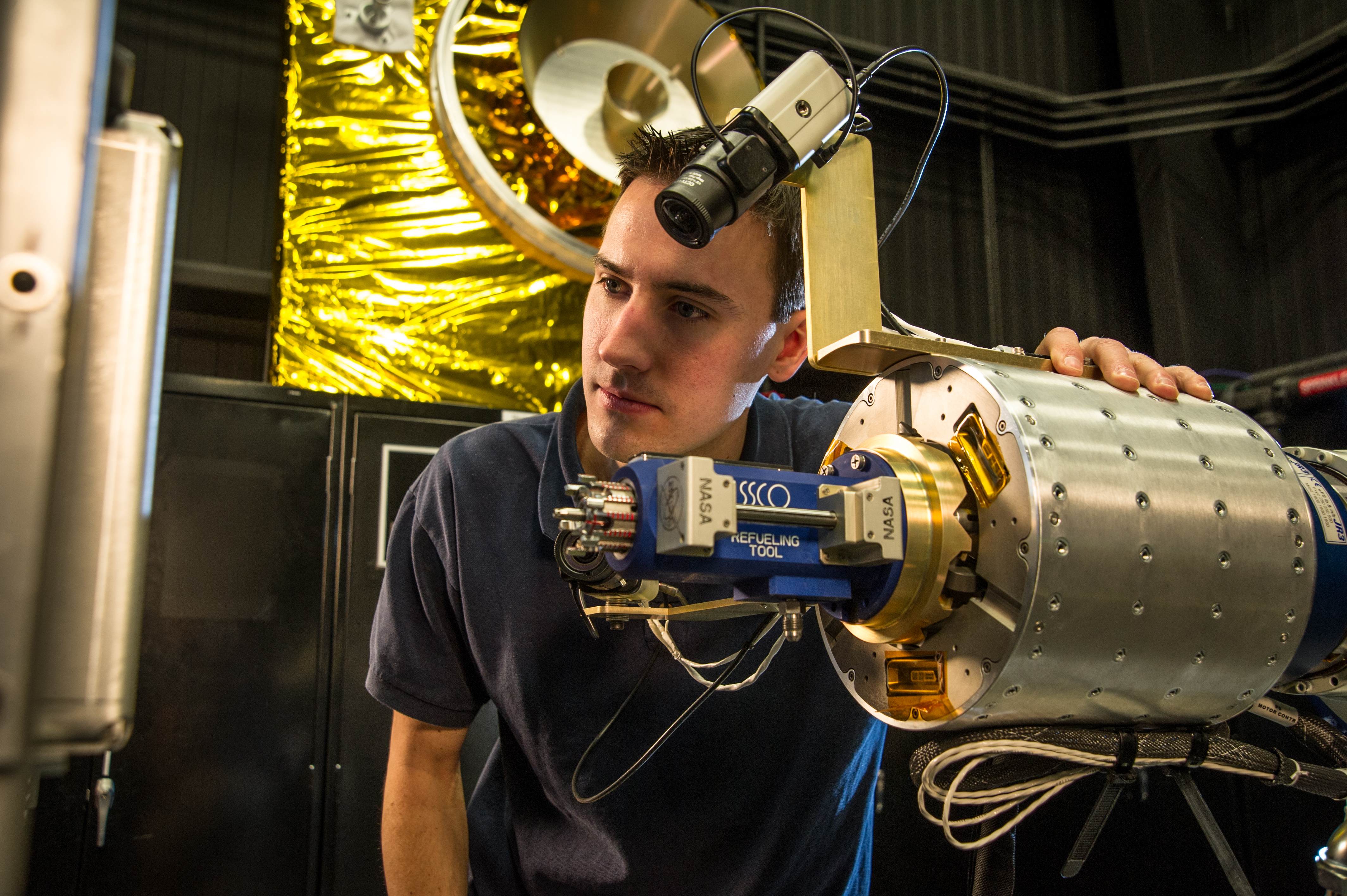
Orbit Fab and Thales Alenia Space are studying whether satellites using electric propulsion can be refueled while in orbit [1].
This collaboration is critical because extending the operational life of satellites reduces the need for frequent replacements. By integrating refueling interfaces into electric-propulsion systems, operators could maintain assets in space for longer durations, potentially reducing long-term costs and orbital debris.
The project focuses on the integration of Orbit Fab’s specialized refueling interface with the electric-propulsion systems developed by Thales Alenia Space [1]. This technical study aims to determine if the hardware can successfully interact in the vacuum of space to transfer propellant [2].
The initiative is based in the United Kingdom and receives backing from the U.S. Space Agency [1]. This support reflects a broader European strategy to advance satellite servicing capabilities. Currently, many satellites are retired not because their electronics fail, but because they run out of fuel.
Electric propulsion is widely used for station-keeping and orbital maneuvers due to its efficiency. However, the inability to replenish these systems has historically limited the lifespan of these missions [1]. The partnership seeks to remove this limitation by creating a standardized method for refueling [2].
If the study proves successful, it could lead to a new standard for how satellites are built. Future spacecraft would be designed with refueling ports as a primary feature rather than an afterthought, allowing for a sustainable cycle of maintenance in geostationary and low-earth orbits [1].
“Orbit Fab and Thales Alenia Space are studying whether satellites using electric propulsion can be refueled while in orbit.”
The shift toward refuelable satellites represents a transition from a 'disposable' space economy to a circular one. By decoupling a satellite's functional life from its initial fuel load, the industry can move toward a model of sustainable infrastructure in orbit. This study is a foundational step in validating whether the specific requirements of electric propulsion—which differs from traditional chemical propulsion—can be met through standardized refueling interfaces.


