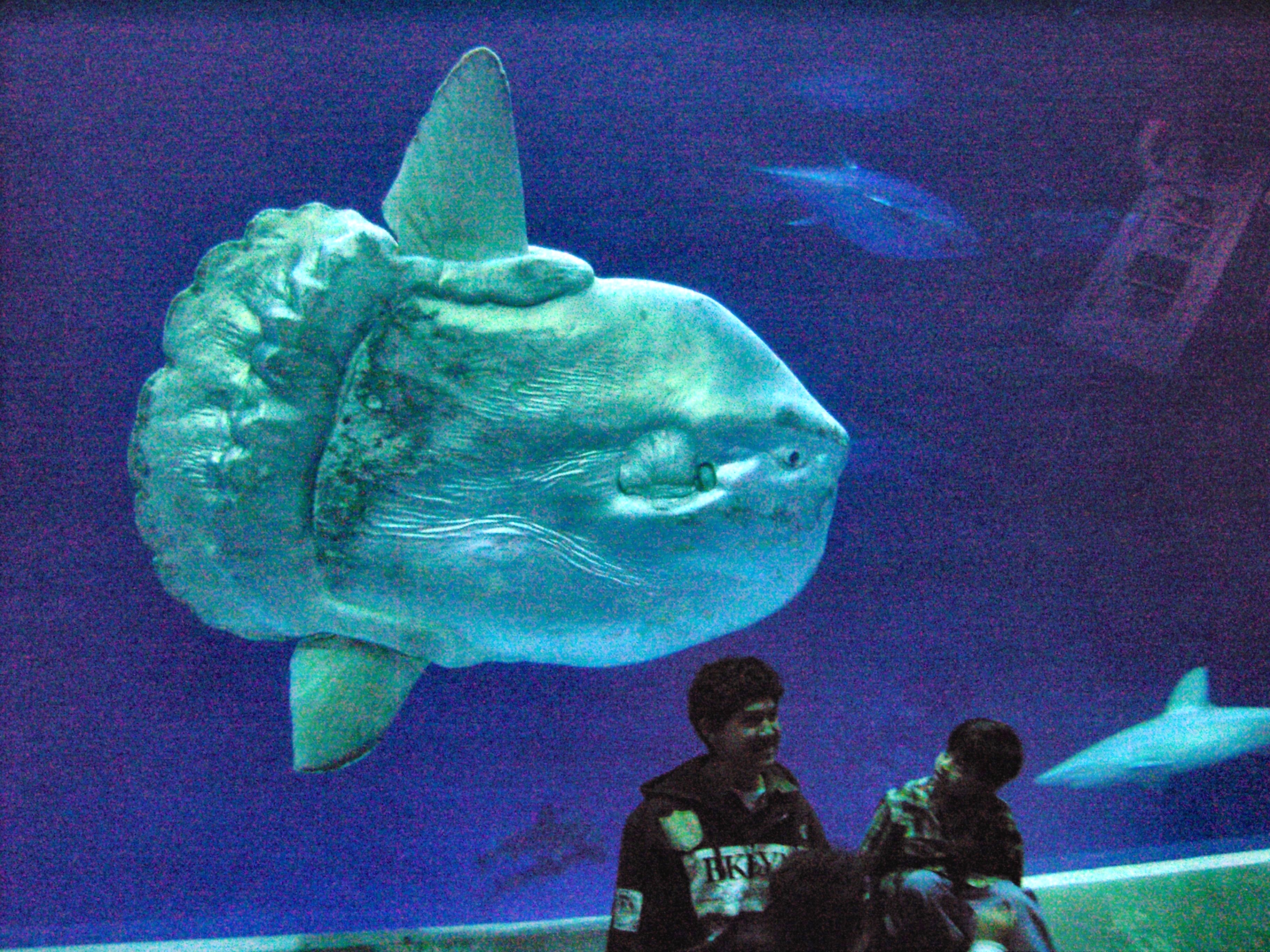
Videos released this week show orcas ramming ocean sunfish with enough force to make the fish burst [1].
The footage provides a rare glimpse into the complex and sometimes violent behavioral patterns of killer whales. Because orcas are apex predators with high intelligence, understanding whether this behavior is predatory or recreational helps scientists map the social dynamics of marine mammals.
Ocean sunfish, known scientifically as Mola mola, are among the heaviest fish in the world [6]. The footage, which was reported July 23 [1], captures the moment the orcas strike the sunfish. The impact is so severe that the fish appear to explode upon contact [2].
Researchers are currently analyzing the motive behind these attacks. While the sunfish are prey for some marine animals, the specific nature of these high-velocity collisions suggests a different motivation than typical hunting. Some experts believe the whales are not seeking food but are instead engaging in a form of social interaction, or a game, with their environment [5].
"It's been speculated they might do this for fun," Carlos Duarte said [1].
Other reports suggest the exact motive remains uncertain, though the behavior aligns with known instances of orcas engaging in play that can be lethal to other species [5]. The sheer force required to burst a fish of the sunfish's size demonstrates the immense power and precision of the orcas' movements. Scientists continue to monitor these interactions to determine if this is a learned cultural behavior passed between pods or a sporadic occurrence.
“The impact is so severe that the fish appear to explode upon contact.”
This behavior highlights the distinction between predatory killing for sustenance and 'play' in highly intelligent mammals. When apex predators like orcas engage in lethal play, it underscores the gap between human perceptions of 'fun' and the raw biological reality of the ocean's food chain, where social experimentation can result in the total destruction of prey.