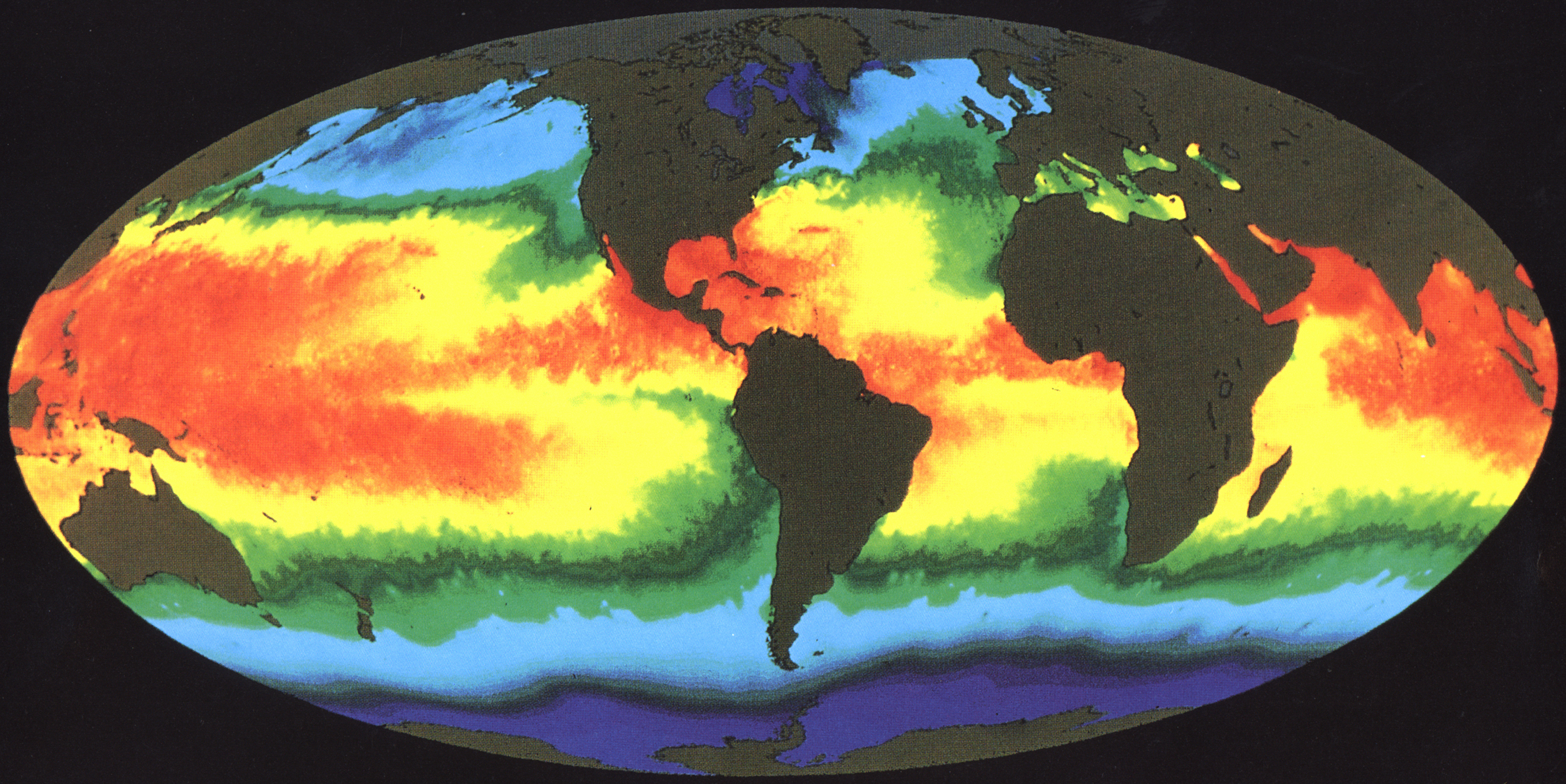
Sea surface temperatures in the equatorial Pacific have risen sharply, signaling a strong El Niño that may bring unpredictable weather to South Korea [1].
This atmospheric shift is critical because it disrupts traditional climate patterns, potentially increasing the frequency of extreme weather events. The combination of a strong El Niño and ongoing climate change creates a volatile environment for the region's summer season [1, 2].
Ye Sang-wook, a professor in the Department of Climate and Energy Systems Engineering at Ewha Womans University, said the speed of the warming was unprecedented. He said that sea surface temperatures rose by approximately four °C in just one month [1].
"I have almost never seen this happen," Ye said. "It is a very rapid rise in sea temperature" [1].
This rapid warming in the eastern Pacific triggers the El Niño phenomenon, which alters global wind and precipitation patterns. For South Korea, this typically translates to a higher risk of severe heatwaves, and concentrated heavy rainfall during the summer months [1, 2].
Experts said that the current trajectory is atypical. While El Niño events are cyclical, the speed of the current temperature spike suggests a more intense manifestation than previous cycles — a trend that complicates meteorological forecasting for the coming months [1, 2].
Local authorities and agricultural sectors are monitoring the situation closely as the unpredictable nature of this summer's weather could impact food security, and public safety across the peninsula [2].
“Sea surface temperatures rose by approximately 4 °C in just one month”
The rapid onset of this El Niño event suggests that historical weather data may be less reliable for predicting South Korea's 2026 summer. When sea temperatures spike this quickly, the resulting atmospheric instability often leads to 'weather whiplash,' where regions swing violently between extreme drought and flash flooding, challenging existing urban drainage and heat-mitigation infrastructure.


