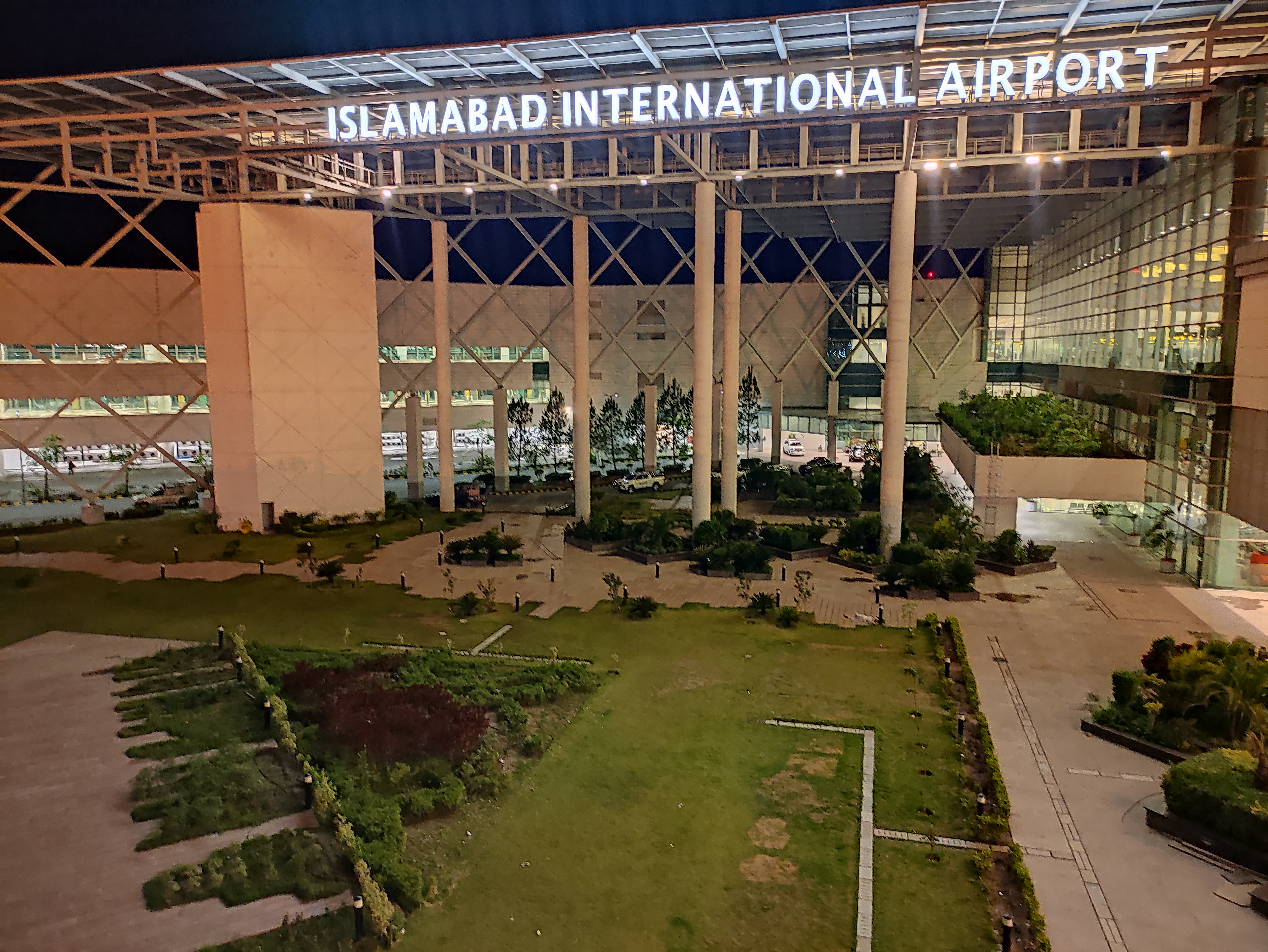
***Lede*** Iranian negotiators left Islamabad under the escort of roughly two dozen Pakistan Air Force jets after U.S.-Iran peace talks ended without an agreement, citing fears of an Israeli attack. [1]
The development underscores how regional rivalries can spill over diplomatic efforts, potentially complicating any future U.S.-Iran rapprochement and drawing Pakistan deeper into Middle‑East tensions.
Pakistani officials said the operation was a precautionary security measure. The escort began on the night of April 13 and continued into the early hours of April 14, with fighter jets forming a protective corridor as the Iranian delegation boarded aircraft bound for Tehran. The move came after Iranian diplomats expressed concern that Israel might attempt a strike to disrupt the talks.
U.S. representatives in Islamabad had been mediating a series of meetings aimed at reviving the 2023 nuclear agreement, but the discussions reached an impasse, prompting the Iranian team to request additional protection. Pakistan, a longtime ally of both the U.S. and Iran, agreed to provide air cover, describing the decision as “consistent with its commitment to regional stability.”
The escort operation involved approximately 24 jets, according to Pakistani sources, and was coordinated with Iran's air force to ensure a seamless handover at the border. While no hostile action was reported, the visible deployment of such a sizable fleet signals heightened alertness among regional militaries.
Analysts said the incident could have ripple effects on neighboring countries, especially Afghanistan and India, which monitor any escalation between Israel and Iran closely. It also raises questions about Pakistan’s diplomatic balancing act between its strategic partnership with the U.S. and its economic ties with Tehran.
The episode arrives at a time when Israel has intensified its rhetoric toward Iran’s nuclear program, and Tehran has warned of retaliatory measures if threatened. By stepping in, Pakistan may be signaling its willingness to act as a security guarantor for regional partners, a role that could reshape its foreign‑policy posture.
What this means: Pakistan’s aerial escort of Iranian negotiators highlights the fragile security environment surrounding any U.S.-Iran diplomatic overtures. The visible military support may deter immediate threats but also risks entangling Pakistan in the broader Israel‑Iran rivalry, potentially influencing future negotiations and regional alignments.
“Iranian negotiators feared an Israeli attack on their delegation.”
Pakistan’s decision to provide air cover for Iran’s delegation shows how quickly diplomatic talks can become entangled with security concerns, potentially limiting the scope of future U.S.-Iran negotiations and drawing Pakistan into the Israel‑Iran conflict dynamics.


