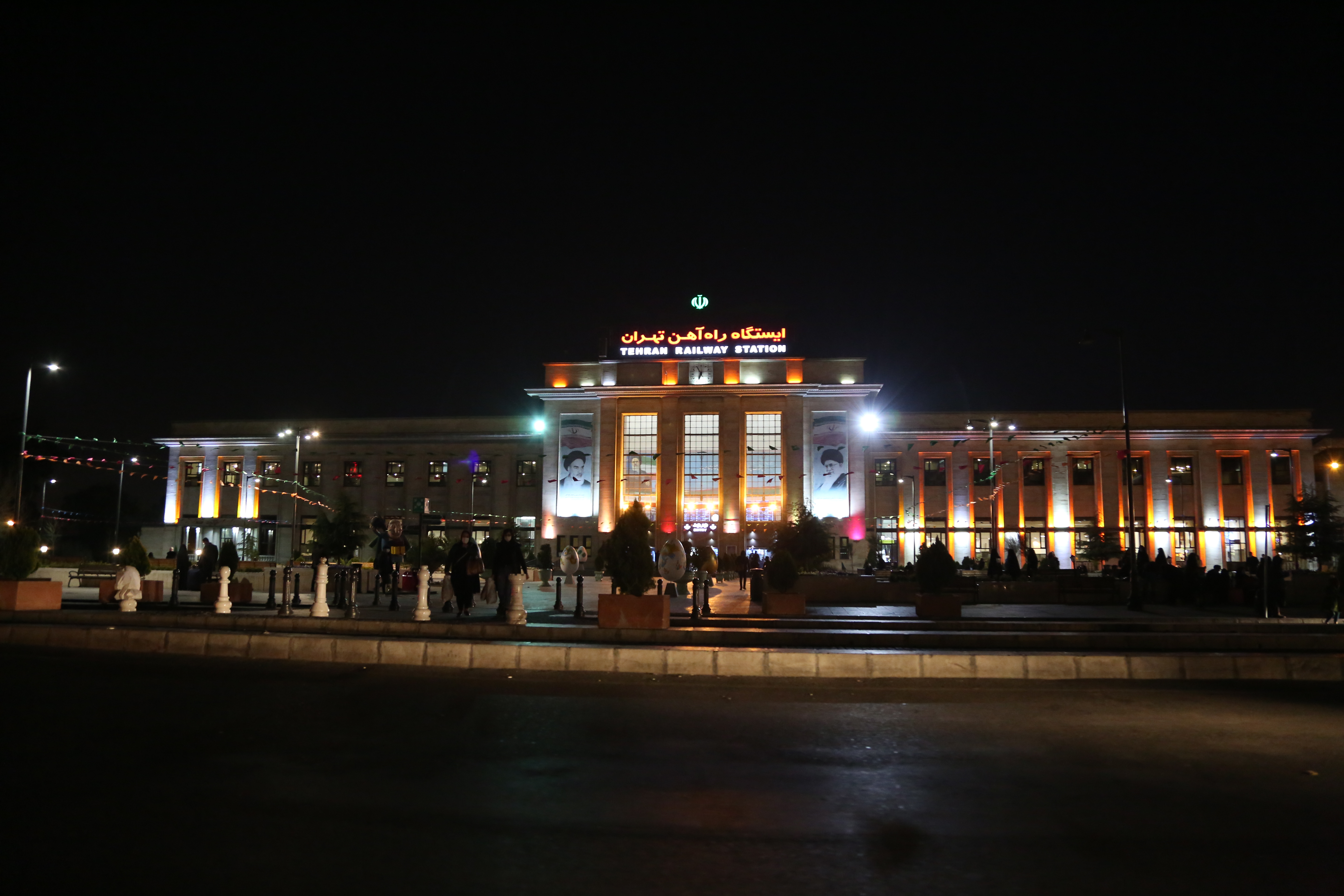
Pakistan Army Chief Field Marshal Syed Asim Munir traveled to Tehran on Thursday to meet with Iranian officials [1, 2].
The visit is part of a Pakistan-mediated effort to bring the U.S. and Iran toward a diplomatic agreement. A successful resolution could lead to a memorandum of understanding designed to end hostilities between the two nations [1, 2].
Pakistan is acting as a primary mediator in these discussions, aiming to bridge the gap between Washington and Tehran [1, 2]. Some reports said the current phase of negotiations is a major breakthrough that could see the two sides edging closer to ending the war [3].
However, the level of progress remains a point of contention among observers. While some outlets report growing hope for a deal, other reports said the progress has been only slight [2]. These reports indicate that significant disagreements still exist, including a rejection by the U.S. Secretary of State regarding a proposed Iranian tolling system [2].
Despite these frictions, the presence of the Pakistani military leadership in Tehran underscores the strategic role Islamabad is playing in regional diplomacy. The goal of the mediation is to formalize a framework that stabilizes the region, and provides a clear path toward a lasting peace [1, 2].
“Pakistan is acting as a mediator to help the United States and Iran reach a diplomatic agreement.”
This diplomatic push signifies Pakistan's attempt to elevate its strategic importance by positioning itself as an indispensable bridge between two adversarial superpowers. While the prospect of a memorandum of understanding suggests a move toward stability, the conflicting reports on the 'slight' nature of the progress indicate that deep-seated systemic disagreements over nuclear deals and regional security remain unresolved.


'%2F%3E%0A%20%20%20%20%3Crect%20width%3D'1600'%20height%3D'900'%20fill%3D'url(%23v)'%2F%3E%0A%20%20%20%20%3Cg%20opacity%3D'0.08'%20fill%3D'%23ffffff'%3E%0A%20%20%20%20%20%20%3Ccircle%20cx%3D'1420'%20cy%3D'180'%20r%3D'220'%2F%3E%0A%20%20%20%20%20%20%3Ccircle%20cx%3D'1500'%20cy%3D'760'%20r%3D'120'%2F%3E%0A%20%20%20%20%3C%2Fg%3E%0A%20%20%20%20%3Cline%20x1%3D'80'%20y1%3D'172'%20x2%3D'220'%20y2%3D'172'%20stroke%3D'%23ffffff'%20stroke-width%3D'3'%20stroke-opacity%3D'0.6'%2F%3E%0A%20%20%20%20%3Ctext%20x%3D'80'%20y%3D'140'%20font-family%3D'Inter%2C%20-apple-system%2C%20Helvetica%2C%20sans-serif'%20font-weight%3D'700'%20font-size%3D'28'%20fill%3D'%23ffffff'%20letter-spacing%3D'6'%3EHANNA%20%C2%B7%20NEWS%3C%2Ftext%3E%0A%20%20%20%20%3Ctext%20x%3D'80'%20y%3D'230'%20font-family%3D'Inter%2C%20-apple-system%2C%20Helvetica%2C%20sans-serif'%20font-weight%3D'600'%20font-size%3D'40'%20fill%3D'%23ffffffb3'%20letter-spacing%3D'4'%3EWORLD%3C%2Ftext%3E%0A%20%20%20%20%3Ctext%20x%3D'80'%20y%3D'622'%20font-family%3D'Playfair%20Display%2C%20Georgia%2C%20serif'%20font-weight%3D'800'%20font-size%3D'86'%20fill%3D'%23ffffff'%20letter-spacing%3D'-1'%3EBonnie%20Tyler%2C%20%26apos%3BTotal%3C%2Ftext%3E%3Ctext%20x%3D'80'%20y%3D'721'%20font-family%3D'Playfair%20Display%2C%20Georgia%2C%20serif'%20font-weight%3D'800'%20font-size%3D'86'%20fill%3D'%23ffffff'%20letter-spacing%3D'-1'%3EEclipse%20of%20the%20Heart%26apos%3B%3C%2Ftext%3E%3Ctext%20x%3D'80'%20y%3D'820'%20font-family%3D'Playfair%20Display%2C%20Georgia%2C%20serif'%20font-weight%3D'800'%20font-size%3D'86'%20fill%3D'%23ffffff'%20letter-spacing%3D'-1'%3Esinger%2C%20dies%20at%2075%3C%2Ftext%3E%0A%20%20%20%20%3Ctext%20x%3D'80'%20y%3D'870'%20font-family%3D'Inter%2C%20-apple-system%2C%20Helvetica%2C%20sans-serif'%20font-weight%3D'500'%20font-size%3D'22'%20fill%3D'%23ffffff66'%20letter-spacing%3D'2'%3Enews.hanna-ai.com%3C%2Ftext%3E%0A%20%20%3C%2Fsvg%3E)