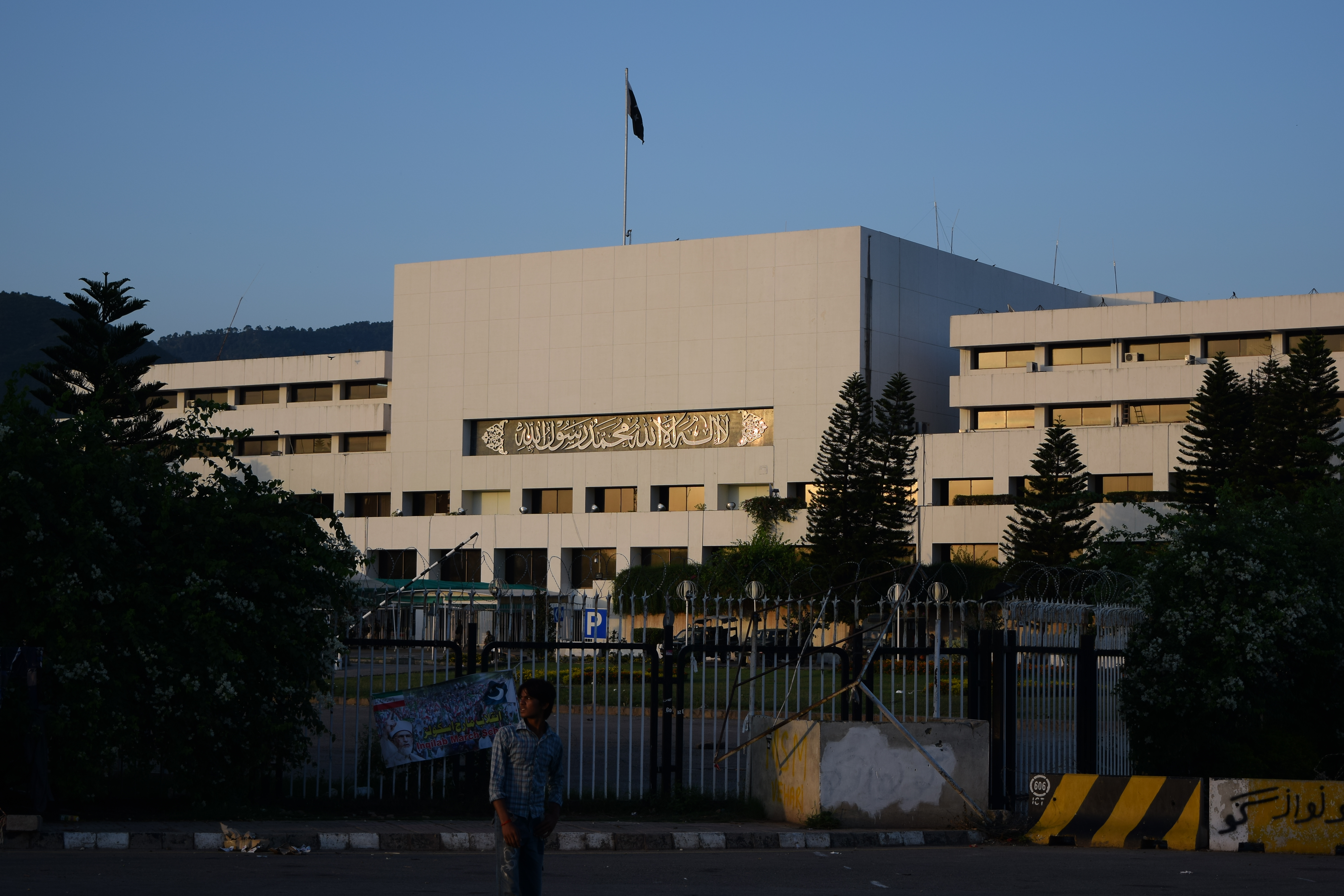
Finance Minister Muhammad Aurangzeb presented the federal budget for fiscal year 2026-27 in the National Assembly in Islamabad on June 12 [1, 5].
The budget arrives as Pakistan struggles to manage a significant budget deficit and modernize its revenue collection systems to meet international obligations. The government must balance the need for economic growth with strict fiscal targets required by the International Monetary Fund.
The total size of the budget exceeds Rs17.5 trillion [2]. This financial plan aims to broaden the tax base and improve the efficiency of the national tax system. To achieve these goals, the government has considered specific tax relief for certain service sectors, including beauty salons, skincare clinics, and health clubs [4].
These internal reforms are happening alongside intense pressure from international lenders. The IMF has requested that Pakistan generate an additional Rs500 billion in taxes [3]. This demand has forced the administration to seek new ways to increase revenue without stifling economic activity.
Economist Dr. Nasir Iqbal said these reforms are necessary to ensure long-term stability. The government is attempting to transition toward a more transparent tax regime that reduces reliance on a small number of taxpayers, a move intended to satisfy IMF conditions and reduce the overall deficit [6, 7].
The budget presentation took place at 3 p.m. on June 12 [1]. The administration intends for these measures to create a more sustainable fiscal path for the coming year by aligning domestic tax policies with global standards.
“The total size of the budget exceeds Rs17.5 trillion.”
Pakistan is currently caught between the necessity of providing tax relief to stimulate local businesses and the rigid demands of the IMF for increased revenue. The decision to offer relief to salons and gyms while simultaneously seeking Rs500 billion in new taxes suggests a strategy of targeted incentives to encourage formalization of the economy, though the high budget total indicates a continuing struggle with systemic deficits.


