
Pakistan's federal government proposed a budget for the 2026 fiscal year that increases defence spending while limiting development expenditure.
The plan reflects the government's struggle to maintain a critical International Monetary Fund (IMF) program while managing rising national debt. By prioritizing security and tax targets, the administration aims to stabilize the economy under severe regional pressure.
The Ministry of Finance set the total budget amount for FY 2026 at 18.77 trillion rupees, which is approximately $67.49 billion [1]. This financial roadmap was presented between June 11 and 12, as the government seeks to meet strict IMF goals to avoid default.
To achieve these targets, the budget focuses on a steep tax collection goal and a reduction in development outlays. This shift in spending is designed to manage the country's growing debt obligations, and ensure the IMF program remains on track.
Regional security concerns have driven the decision to raise defence spending. The government is balancing these military needs against the domestic political fallout caused by squeezing development funds and placing a heavier tax burden on the middle class.
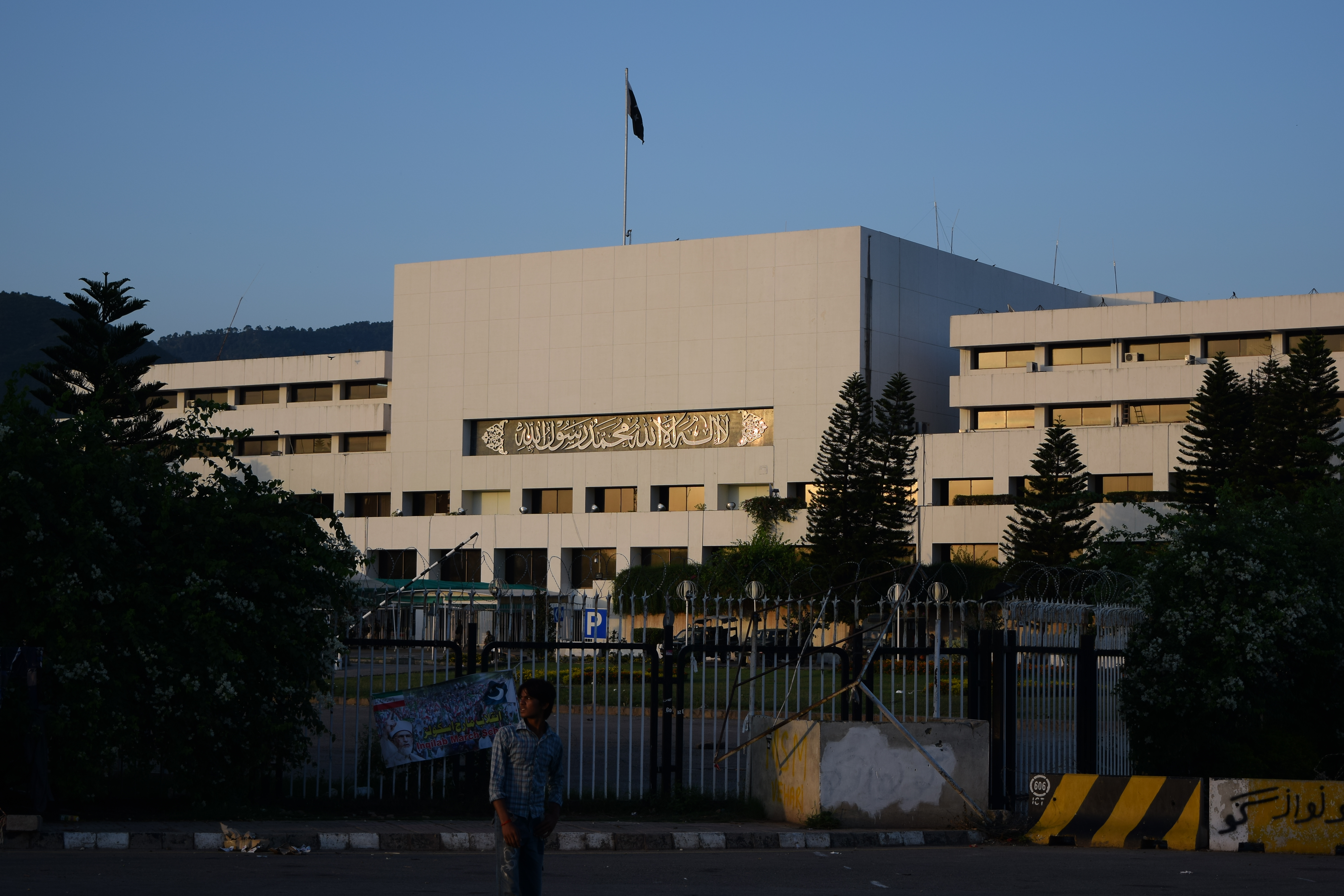
The budget was prepared in Islamabad to address a complex set of economic and geopolitical challenges. Officials said the measures are necessary to maintain stability amid ongoing regional tensions and the requirements of international lenders.
“The federal government proposed a budget for the 2026 fiscal year that increases defence spending while limiting development expenditure.”
This budget highlights a critical tension between Pakistan's national security priorities and its economic survival. By prioritizing defence and IMF-mandated austerity over domestic development, the government risks increasing social unrest and slowing long-term infrastructure growth to secure short-term financial stability and regional deterrence.


