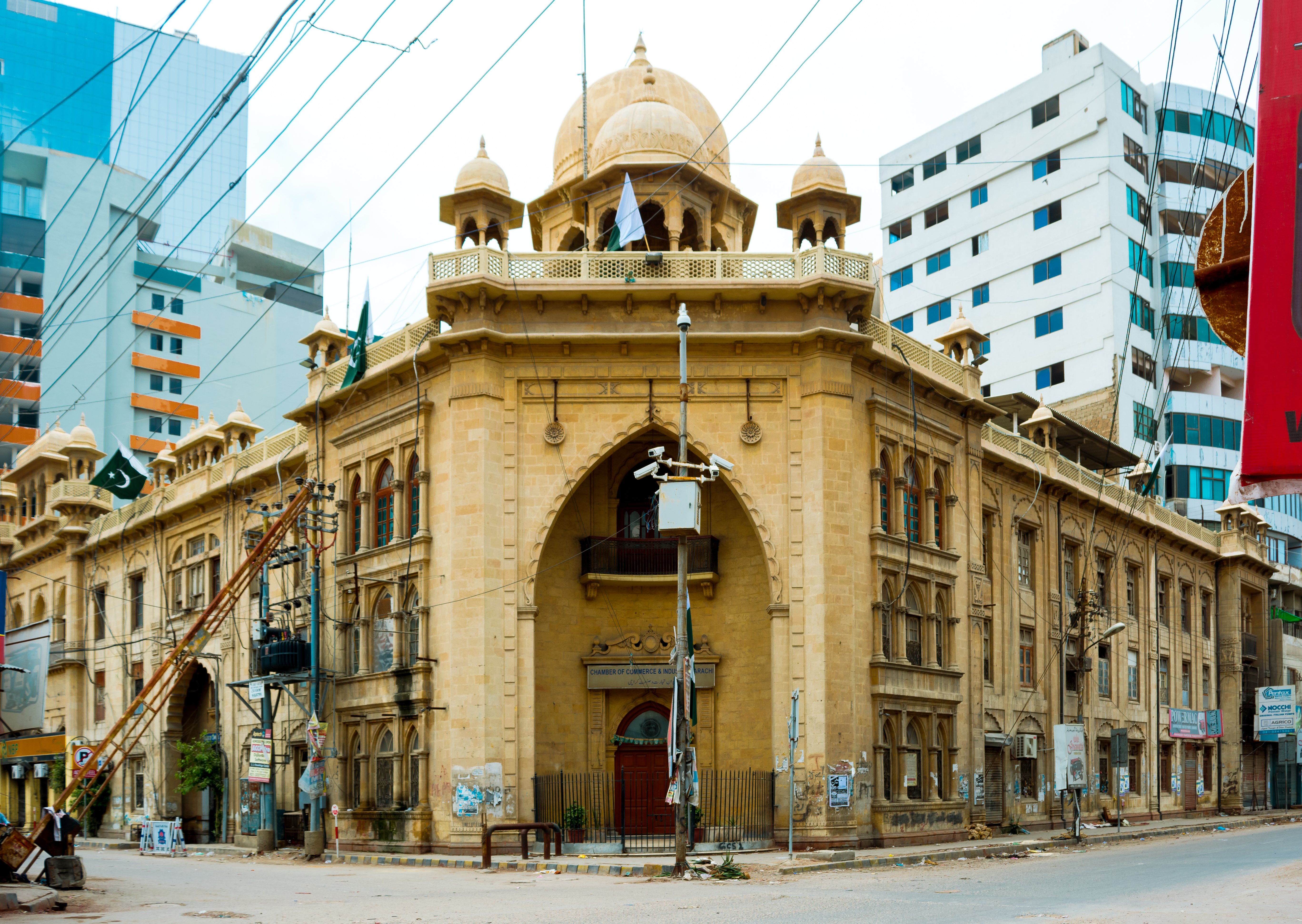
Business leaders in Pakistan expressed a mixed reaction to the federal FY2026-27 budget released on June 13, 2026 [1].
The response highlights a tension between immediate financial relief and long-term economic stability. While tax cuts provide short-term liquidity for companies, the absence of a structural plan for industrial development may hinder sustainable growth in one of the region's most volatile economies.
The Karachi Chamber of Commerce and other business leaders welcomed selected tax-relief measures included in the fiscal package [1]. These measures are intended to ease the financial burden on enterprises operating within the country. However, the community remains critical of the broader strategy, or lack thereof, regarding industrial expansion.
Critics argue that the budget fails to provide a clear roadmap for industrial growth [1]. Without a detailed plan to modernize infrastructure or incentivize new manufacturing sectors, leaders suggest that the tax breaks alone will not be enough to stimulate a comprehensive economic recovery.
The feedback from Karachi emphasizes a need for more than just fiscal adjustments. Business leaders said the gaps in the budget strategy leave the industrial sector without a predictable path for the coming year [1].
This divide in opinion reflects a broader struggle within the Pakistani business community to balance the need for immediate cost reductions with the necessity of state-led industrial policy. The Karachi Chamber of Commerce said that while the tax relief is a positive step, the overarching strategy remains incomplete [1].
“Business leaders welcomed selected tax-relief measures included in the fiscal package.”
The friction between the Karachi Chamber of Commerce and the federal budget indicates that the Pakistani government is prioritizing short-term fiscal easing over long-term industrial restructuring. By focusing on tax relief rather than a growth roadmap, the administration may be addressing immediate liquidity crises while leaving the underlying structural weaknesses of the industrial sector untouched.


