
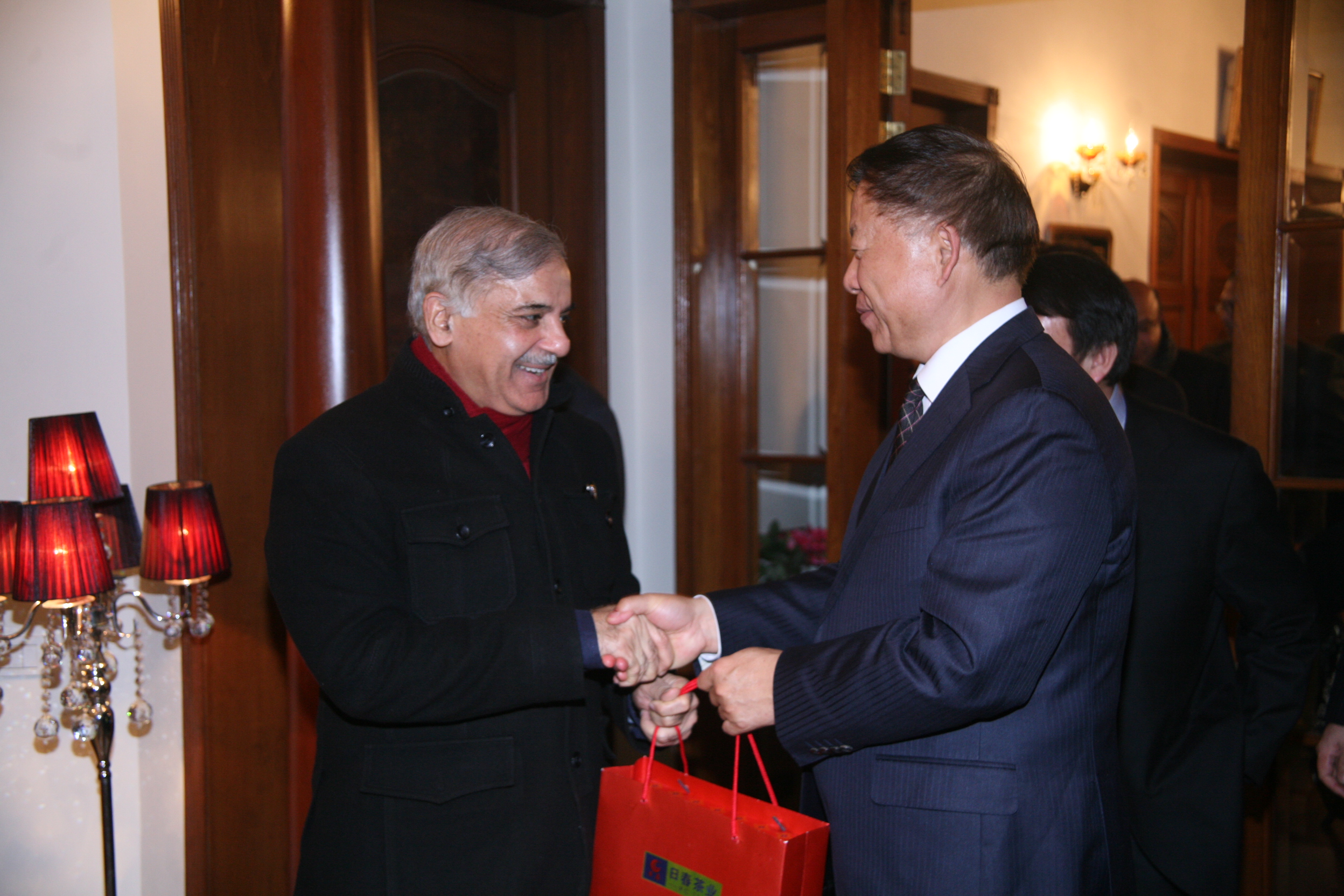
Pakistani Prime Minister Shehbaz Sharif met with Chinese President Xi Jinping in Beijing to discuss stabilizing the Middle East [1, 2].
The meeting highlights Pakistan's emerging role as a diplomatic bridge between Tehran and Washington, backed by the strategic support of China [1, 3].
During the talks in May 2024, the leaders focused on Pakistan’s proactive efforts to mediate tensions between the U.S. and Iran [2, 3]. China said it supports these diplomatic initiatives, viewing Pakistan's involvement as a key component in reducing regional volatility [3].
Sharif said the current efforts to mediate between Tehran and Washington are "moving in the right direction" [2]. The discussions centered on how the two nations can align their diplomatic strategies to foster long-term peace in the Middle East [1, 2].
Beijing's endorsement of Sharif's mediating role suggests a coordinated approach to regional security. By leveraging Pakistan's relationships with both Iran and the U.S., China aims to strengthen its own influence as a peace broker in the region [1, 3].
The visit occurred amid a broader peace drive intended to prevent further escalation in the Middle East [1]. Both leaders said dialogue and diplomatic engagement over confrontation are important to resolve the longstanding disputes between the involved parties [2, 3].
“efforts to mediate between Tehran and Washington 'moving in the right direction'”
This diplomatic alignment indicates that China is utilizing Pakistan as a strategic proxy to facilitate communication between the U.S. and Iran. By supporting Pakistan's mediation, China can promote regional stability and expand its geopolitical footprint in the Middle East without directly challenging U.S. interests in the region.


