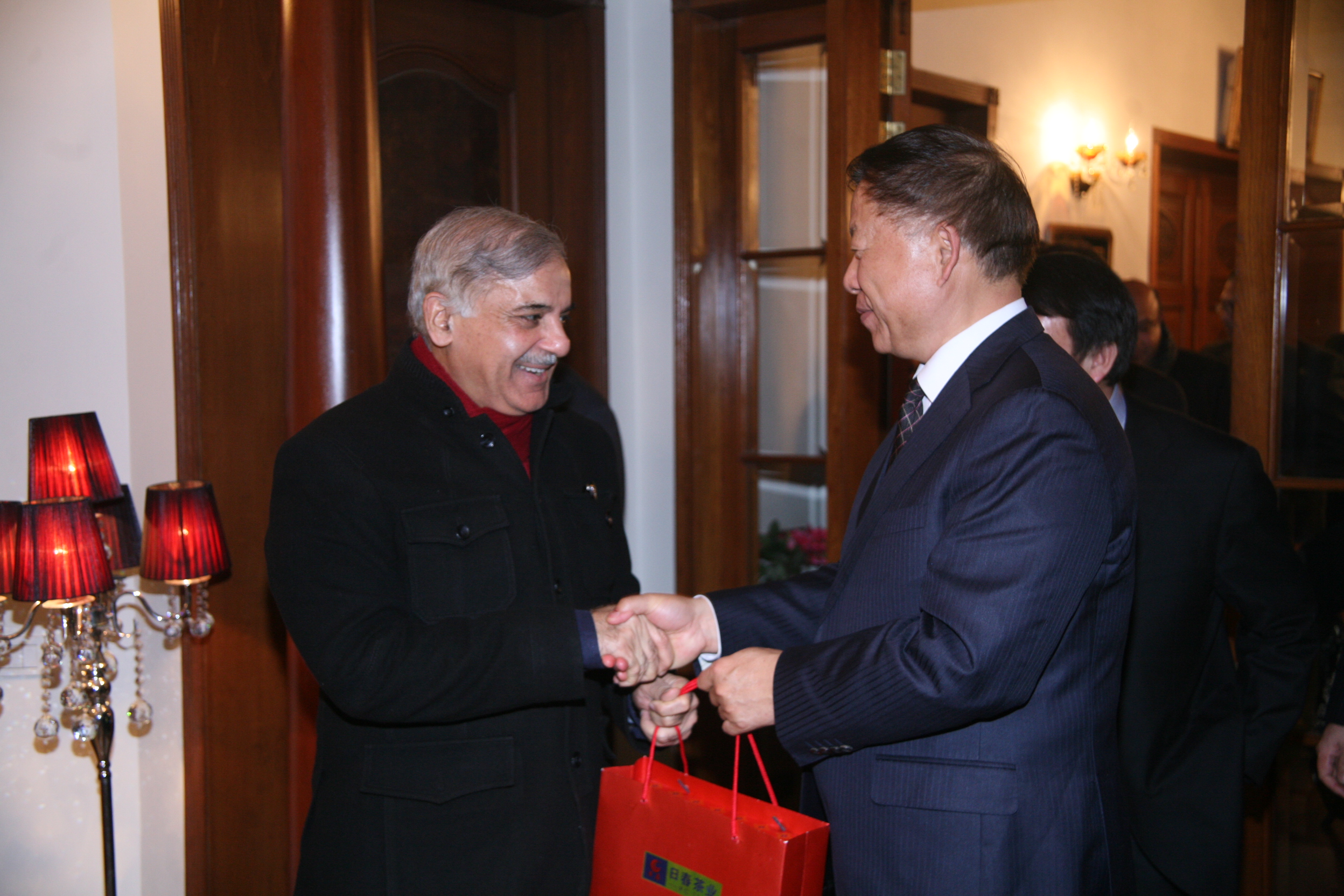
Pakistan Prime Minister Shehbaz Sharif and Chinese officials signed multiple memoranda of understanding covering machinery, vaccines, and medical technology during a state visit [1, 2].
These agreements aim to boost Pakistan's industrial capacity and technological collaboration while deepening the strategic partnership between the two nations [1, 2]. The cooperation is intended to modernize key sectors of the Pakistani economy through Chinese expertise and investment.
The official visit lasted four days [1]. During the first leg of the trip, the prime minister traveled to Hangzhou, China [1]. The diplomatic engagement focused on securing a strategic cooperation package valued at $5 billion [1].
On May 1, 2026, the two governments formally signed the MoUs [2]. The documents outline specific collaborations in the production of vaccines, and the acquisition of advanced medical technology to improve public health infrastructure [2]. Additionally, the agreements cover the import and implementation of industrial machinery to enhance manufacturing capabilities [2].
The discussions in China emphasized the need for sustainable economic growth. By targeting machinery and medical sectors, the deals seek to reduce Pakistan's reliance on third-party imports and establish localized production lines with Chinese support [1, 2].
Officials said the agreements represent a commitment to long-term bilateral stability. The strategic nature of these deals reflects a broader effort to integrate the two economies through technological exchange and infrastructure development [1, 2].
“Pakistan eyes $5 billion deals”
The focus on vaccines and medical technology indicates a shift toward health security and industrial autonomy for Pakistan. By securing a $5 billion cooperation package, Pakistan is leveraging its relationship with China to modernize its industrial base and public health systems, further cementing China's role as its primary strategic and economic partner.