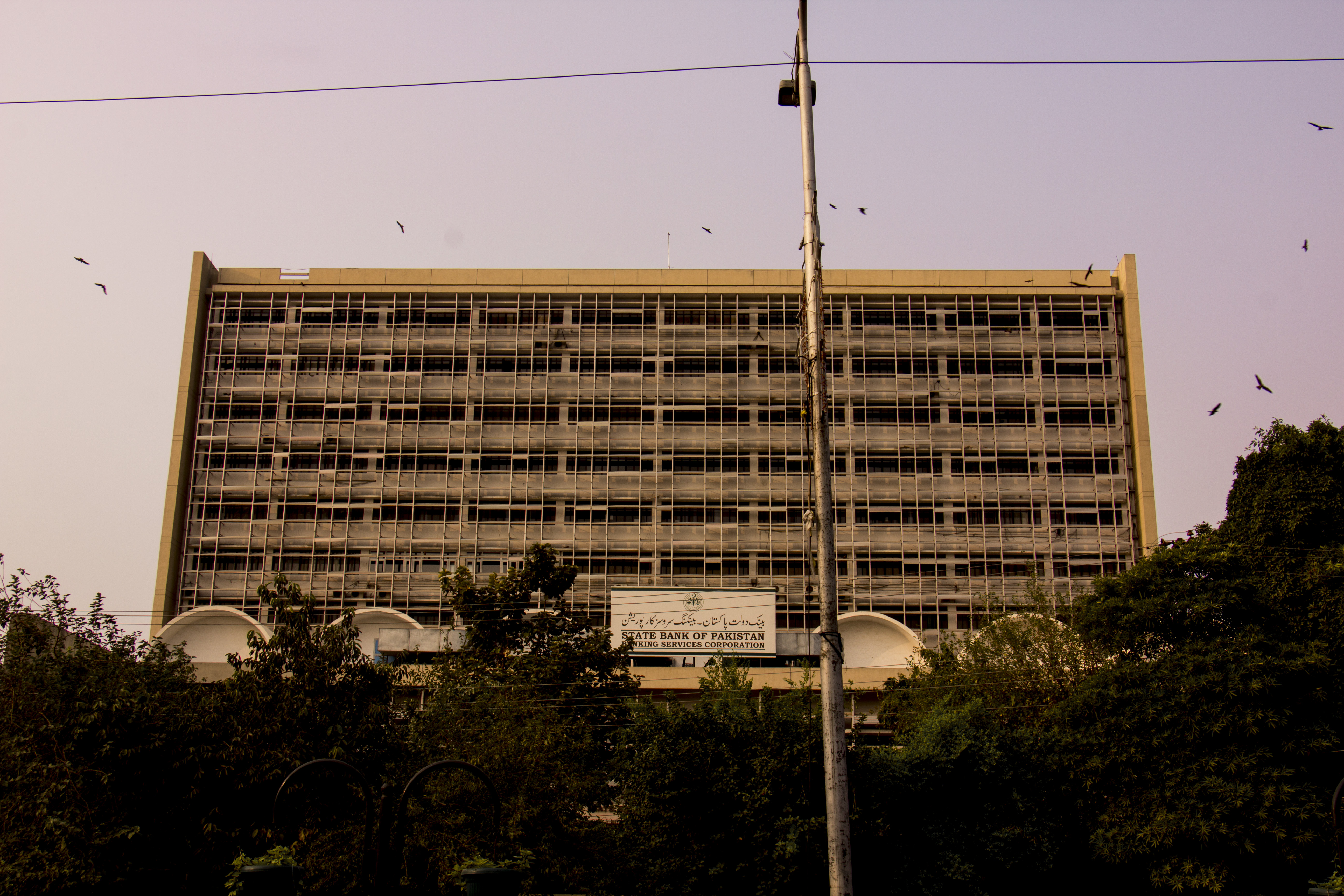
The State Bank of Pakistan has discontinued two financial incentive programs for overseas citizens sending money home through formal banking channels.
This move shifts the cost of processing remittances away from the central bank, potentially altering how overseas Pakistanis choose to transfer funds to their families. By removing these subsidies, the government is changing the financial landscape for both the banks and the remitters.
The central bank ended the Telegraphic Transfer Charges Incentive Scheme (TTCIS) effective July 1, 2026 [1]. This specific program served as a reimbursement mechanism that compensated banks for waiving telegraphic transfer charges on eligible home remittance transactions [1]. Under the new directive, banks are now expected to absorb the costs associated with waiving these charges [1].
In addition to the TTCIS, the State Bank of Pakistan also terminated the Sohni Dharti Remittance Programme. This initiative had previously rewarded overseas Pakistanis for utilizing formal banking channels rather than informal networks. Techjuice said the "SBP has decided to discontinue SDRP the incentive scheme that rewarded overseas Pakistanis for sending remittances through formal banking channels."
The Sohni Dharti Remittance Programme was designed to encourage the flow of foreign exchange into the country through regulated paths. MSN said the State Bank of Pakistan officially ended the program, bringing a close to a reward scheme that incentivized the use of formal banks.
These changes mark a significant shift in the central bank's strategy to manage inward remittances. By removing the financial rewards and the bank reimbursements, the SBP is moving toward a model where the formal banking sector must manage the costs of attracting foreign currency without direct state subsidies.
“The State Bank of Pakistan has officially ended the Sohni Dharti Remittance Programme.”
The removal of these incentives suggests that the State Bank of Pakistan believes formal banking channels are now sufficiently established to attract remittances without government subsidies. However, by ending the TTCIS and the Sohni Dharti Remittance Programme, the SBP risks a potential shift back to informal 'hawala' or 'hundi' networks if commercial banks pass the now-unreimbursed transfer costs on to the customers.


